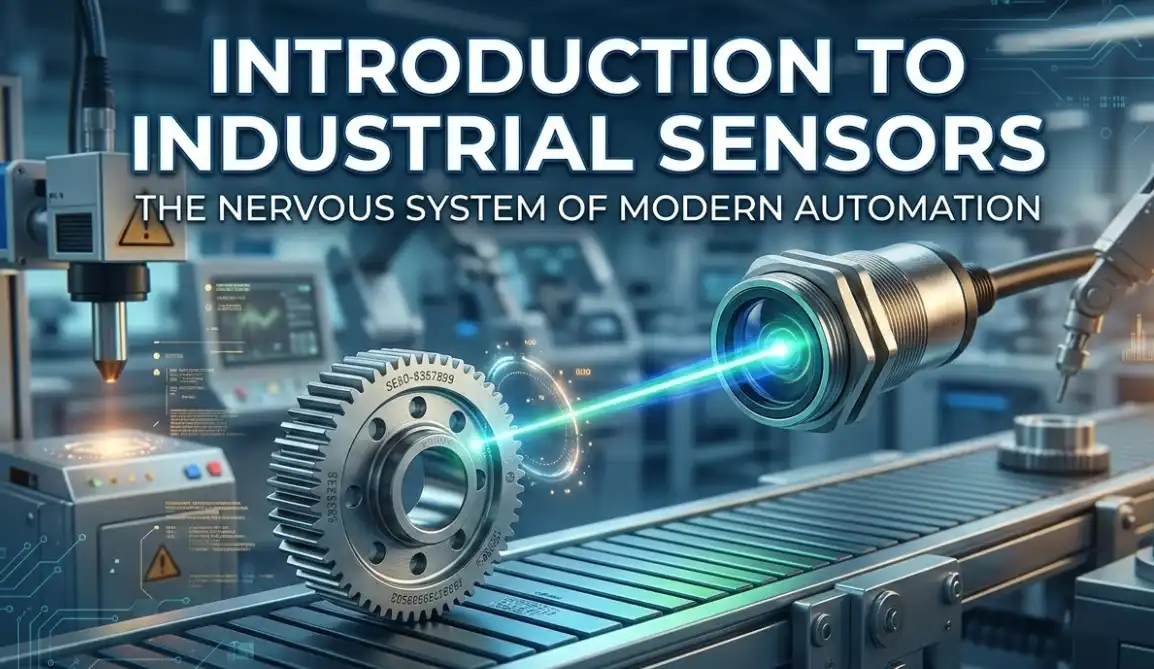
In the realm of modern manufacturing and automation, sensors serve as the “nervous system” of machinery. They allow hardware to perceive its environment, ensuring that complex processes—like high-precision fiber laser marking—are executed with flawless accuracy.
What is a Sensor?
A sensor is a sophisticated device that detects physical inputs from the environment—such as light, heat, motion, moisture, or pressure—and converts them into a measurable signal (typically electrical). This signal is then interpreted by a controller to trigger a specific action.
How They Work: The Core Mechanism
The functionality of a sensor generally follows a three-step sequence:
- Detection: The sensor’s element interacts with a physical stimulus.
- Transduction: A transducer converts this physical energy into an analog or digital electrical signal.
- Processing: The signal is sent to a Computer or PLC (Programmable Logic Controller) to make real-time decisions.
Key Types in Precision Manufacturing
1. Photoelectric (Optical) Sensors
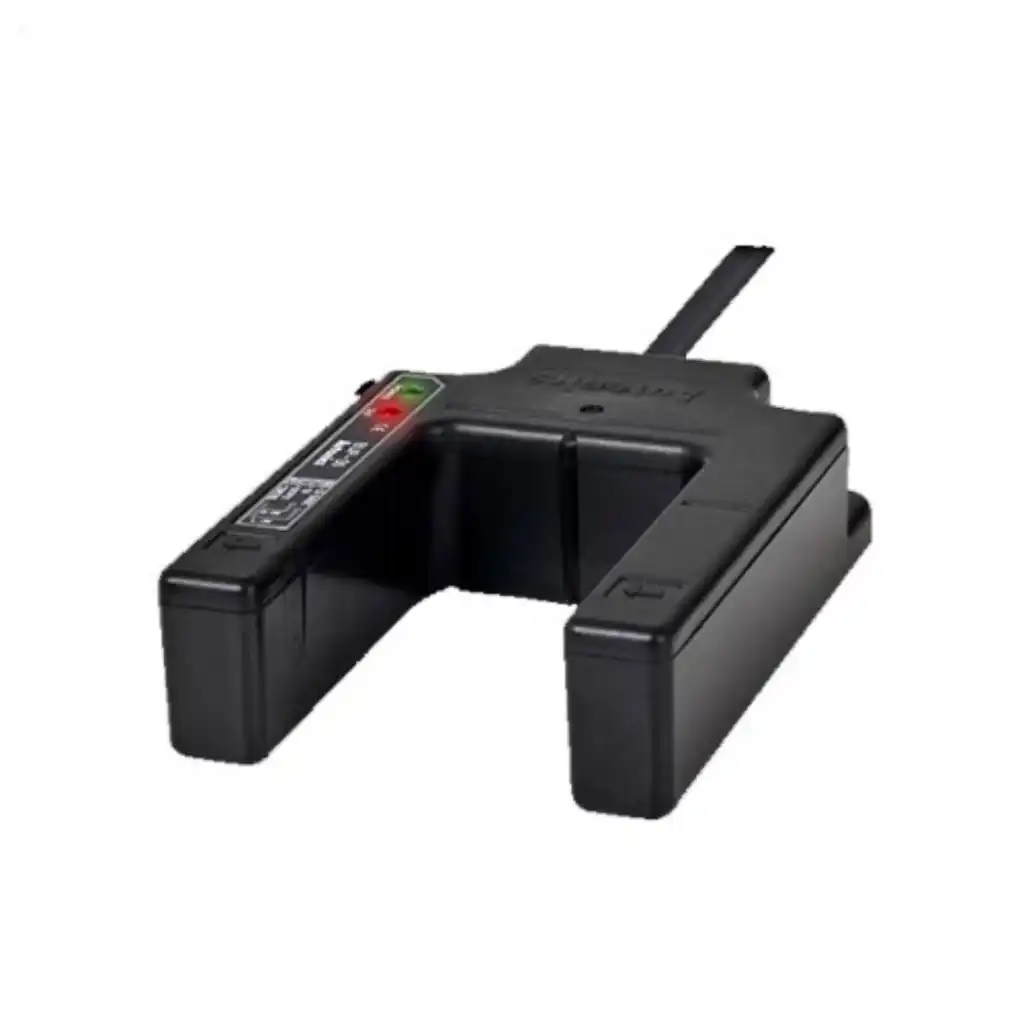
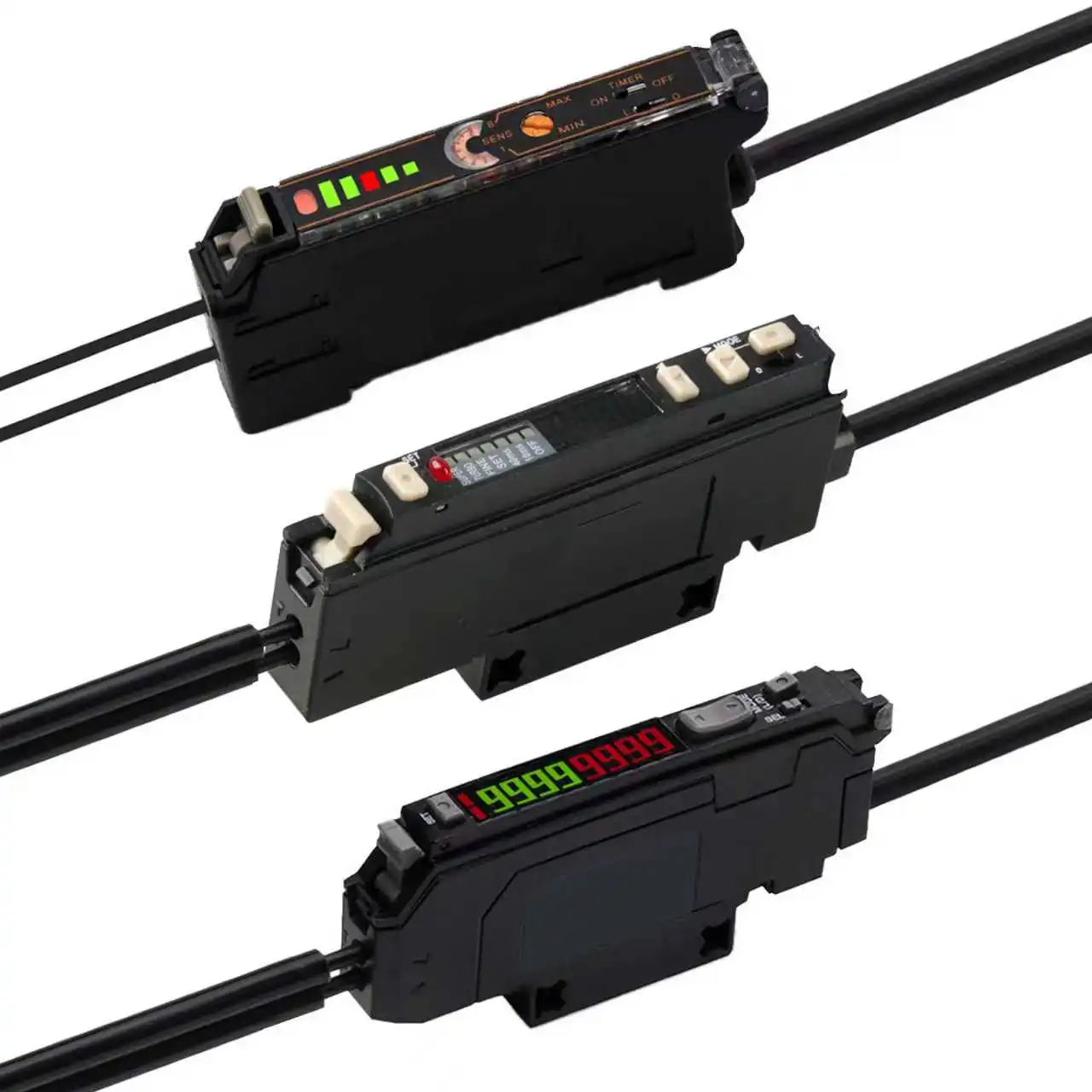
These use light beams to detect the presence or distance of objects. In Cofun’s laser marking systems, these sensors are vital for detecting the exact moment a product arrives on the marking station.
2. Proximity Sensors
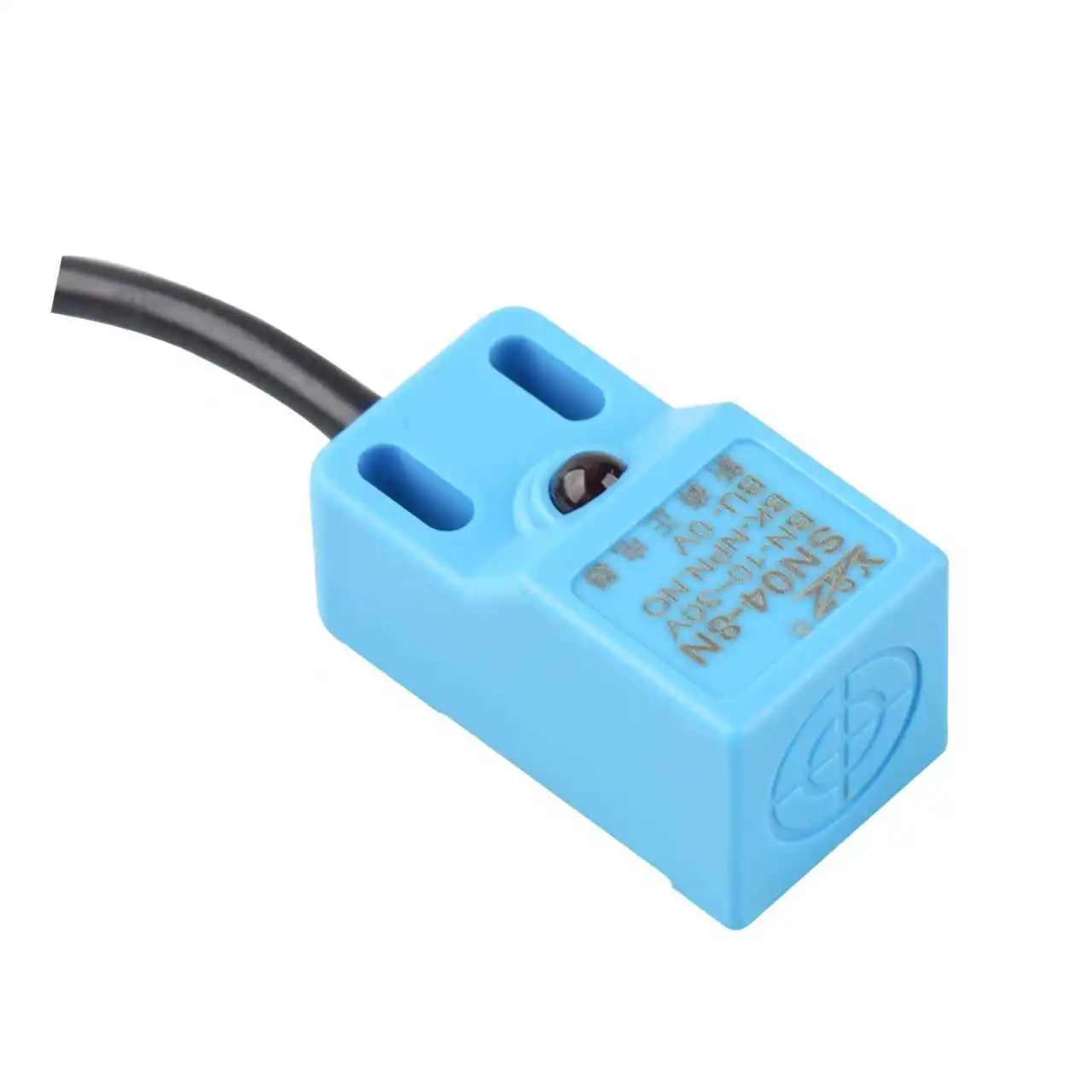
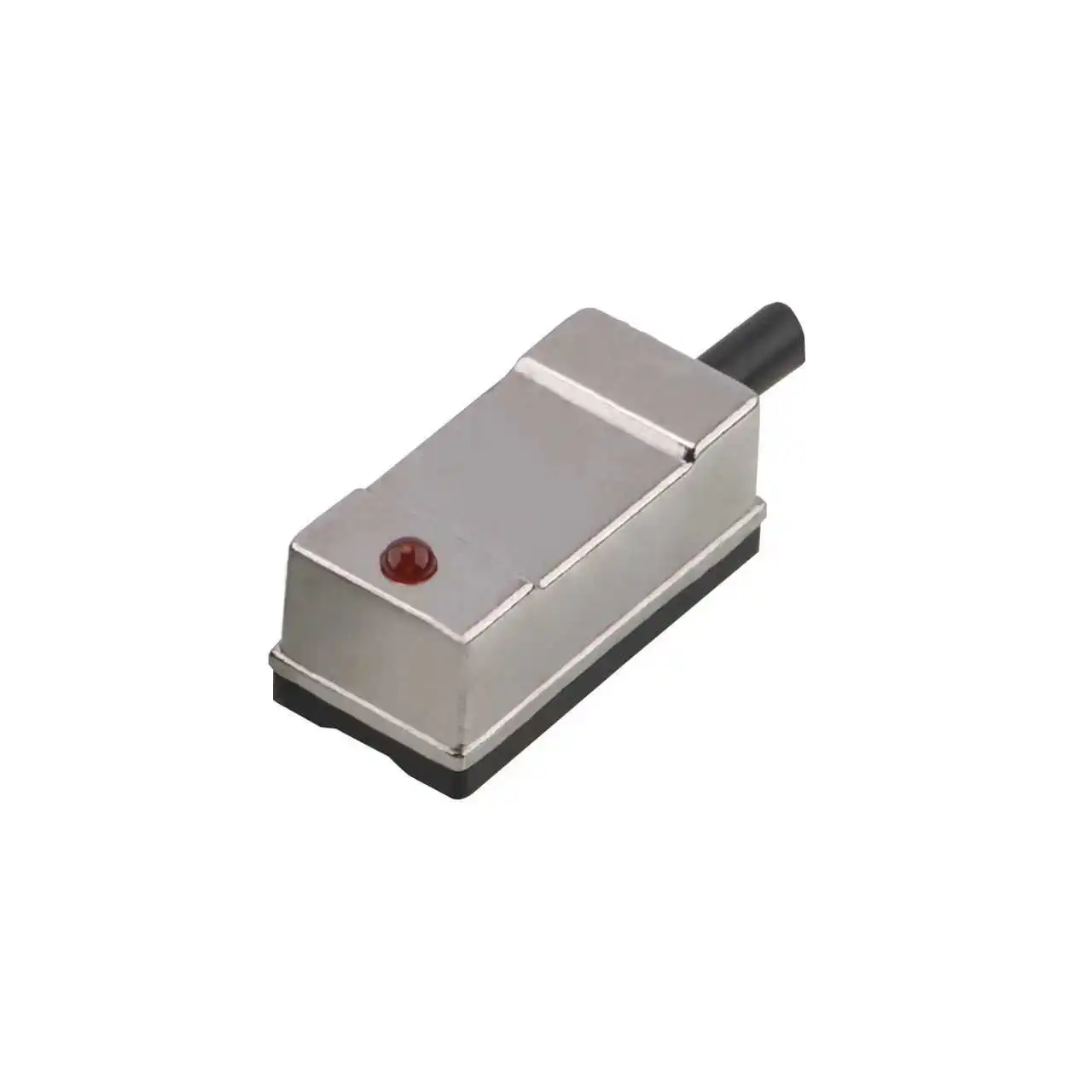
Essential for non-contact detection, these sensors identify objects without physical touch. Inductive sensors are used for metal components, while capacitive sensors can detect non-metallic materials like plastic or glass.
3. Rotary Encoders
These measure the position and speed of mechanical parts. They provide the critical feedback necessary to position a laser head with micrometer precision.
Applications in Laser Marking
For high-performance fiber laser marking machines, sensors provide several critical advantages:
- Accuracy: Ensuring the laser fires at the exact coordinate required.
- Safety: Monitoring protective enclosures to prevent accidental laser exposure.
- Automation: Enabling “Mark-on-the-Fly” capabilities where the laser syncs with a moving production line.
Conclusion
As we move toward Industry 4.0, sensors are becoming smarter, providing not just data, but diagnostic insights. They are the foundational technology that enables the precision and efficiency expected in today’s global industrial landscape.