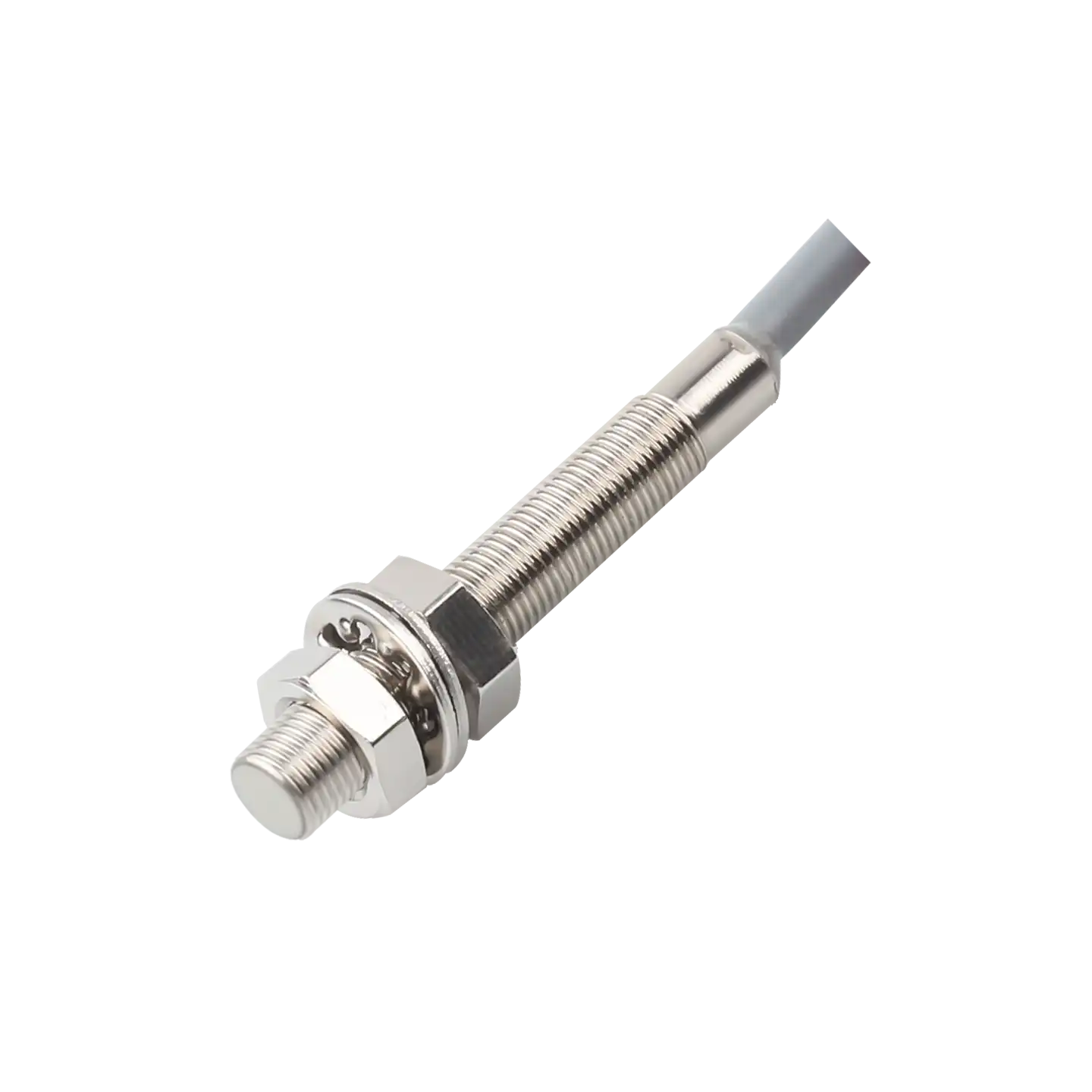
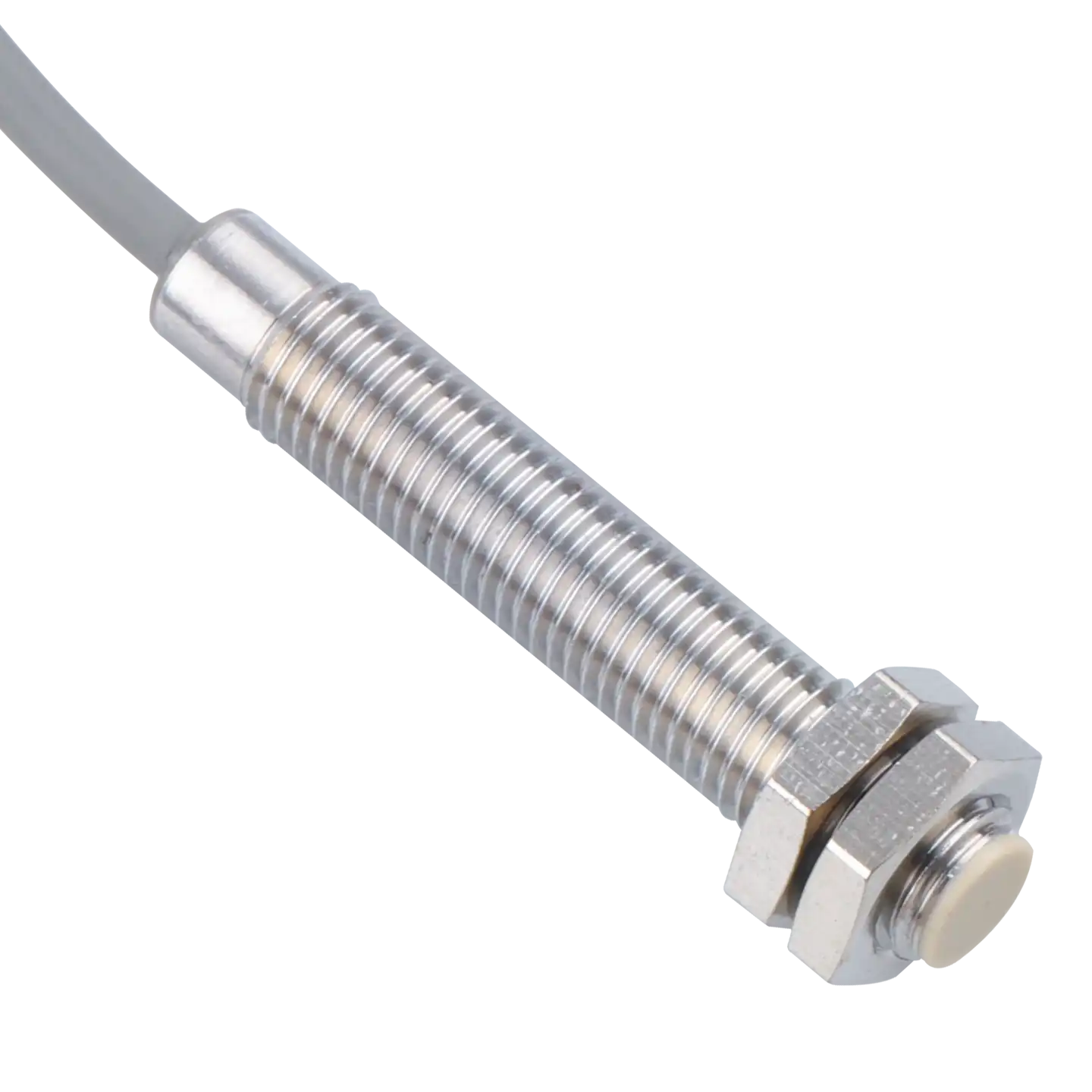
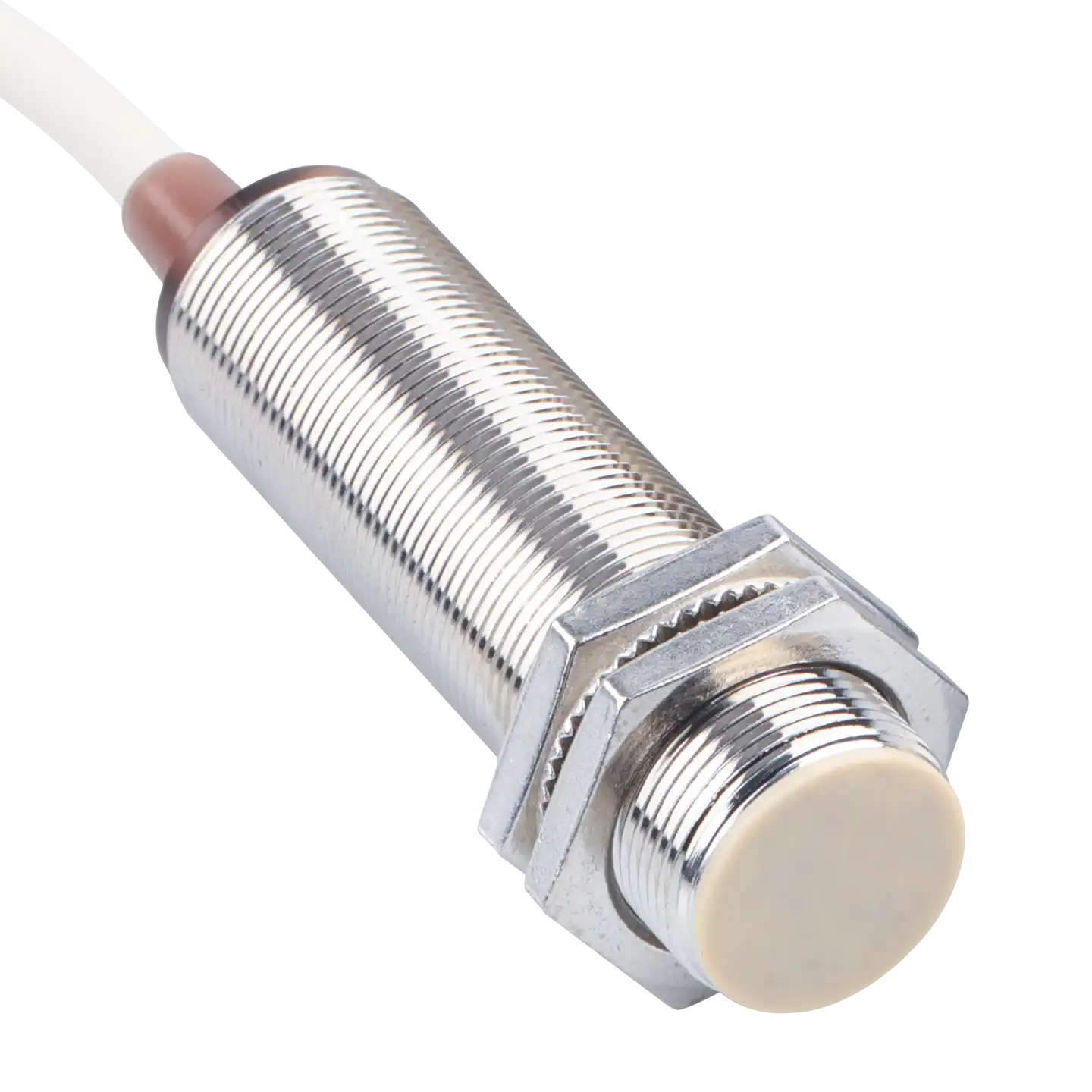
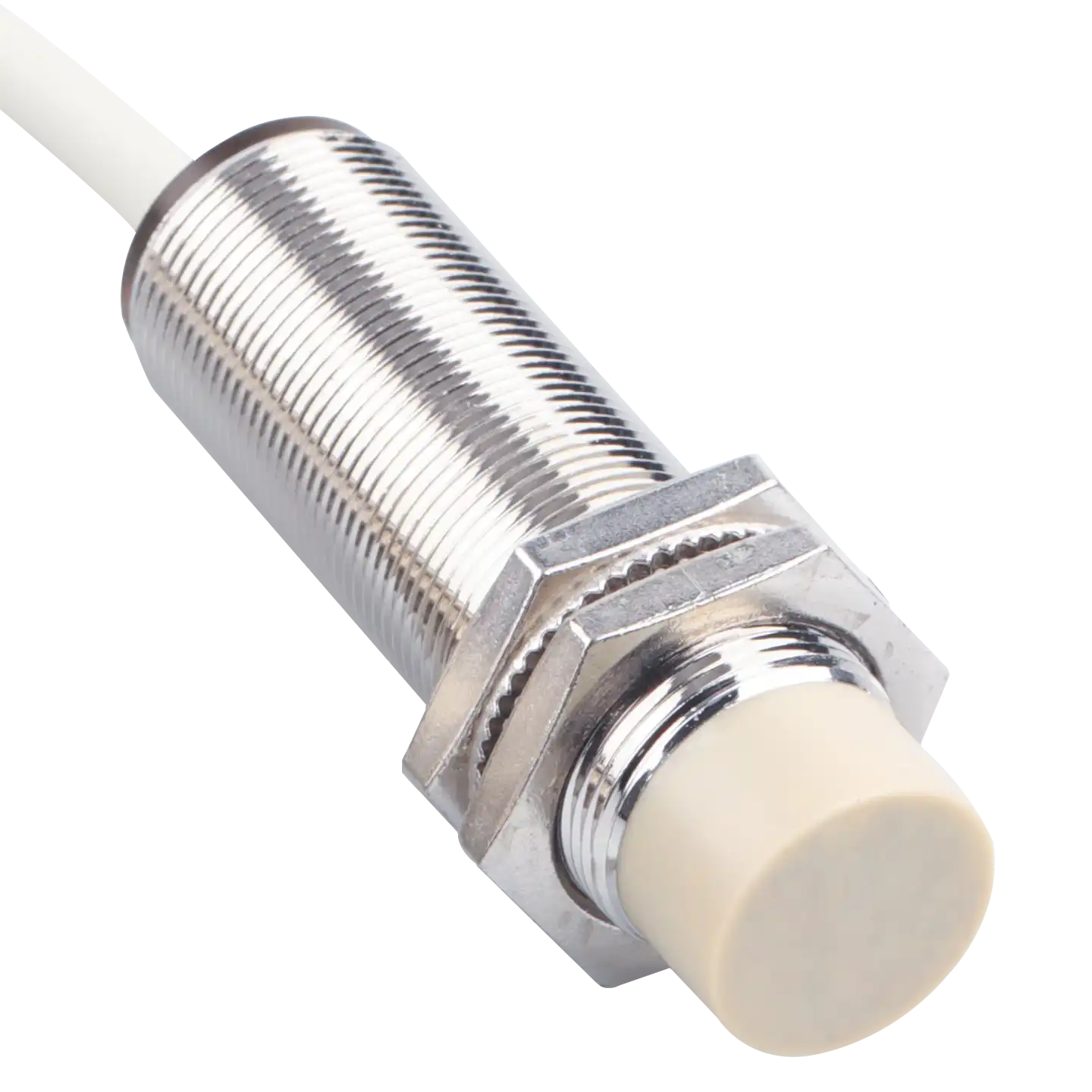
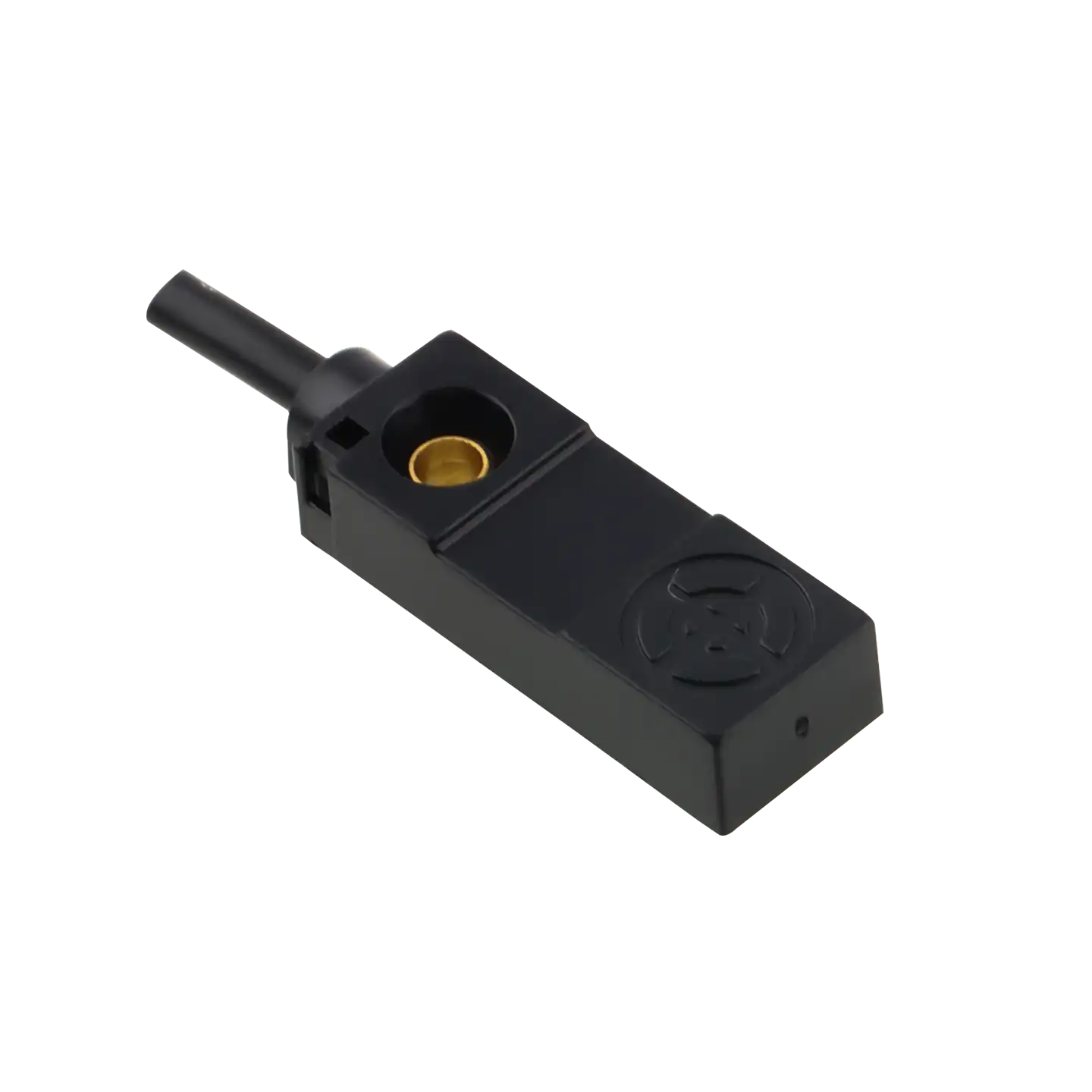
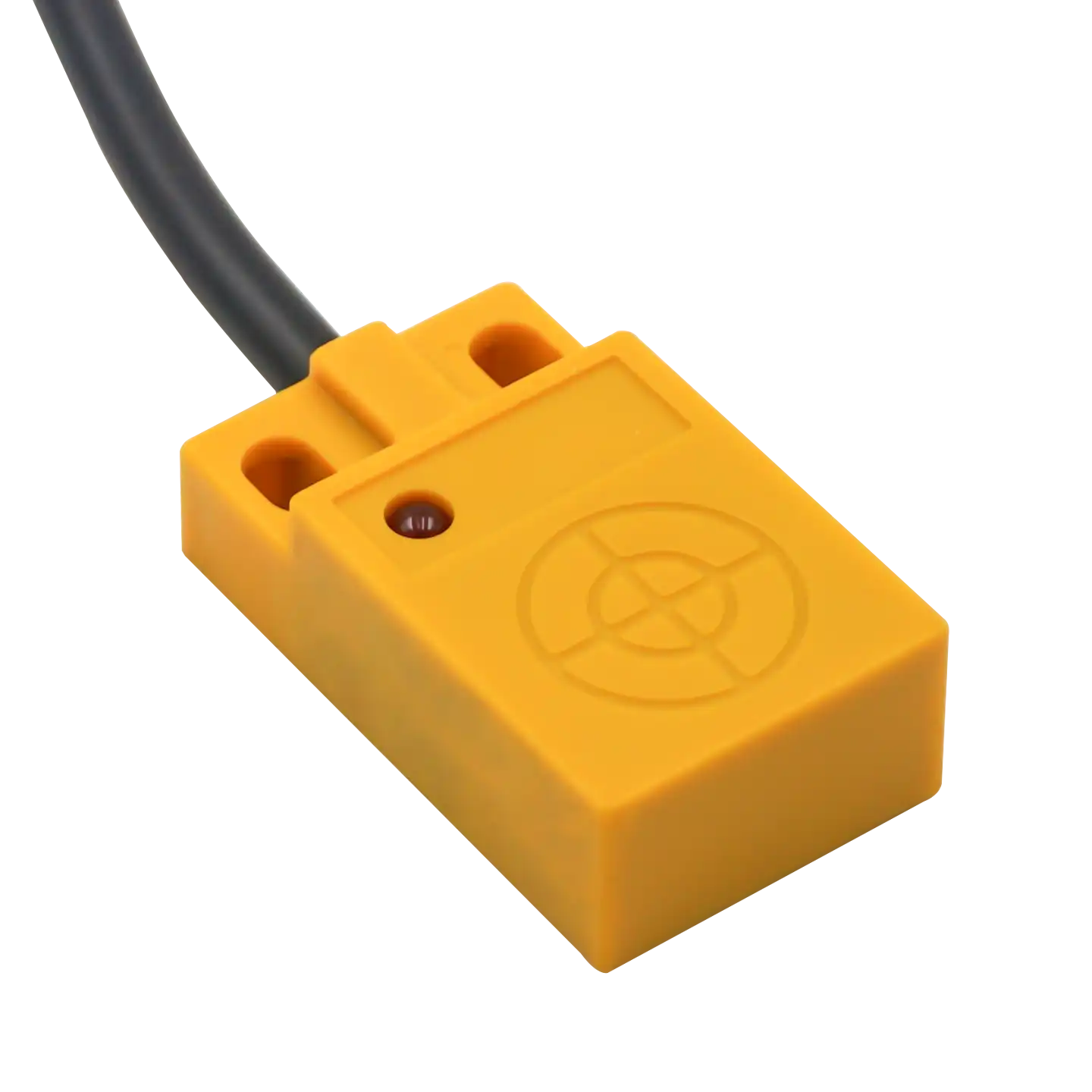
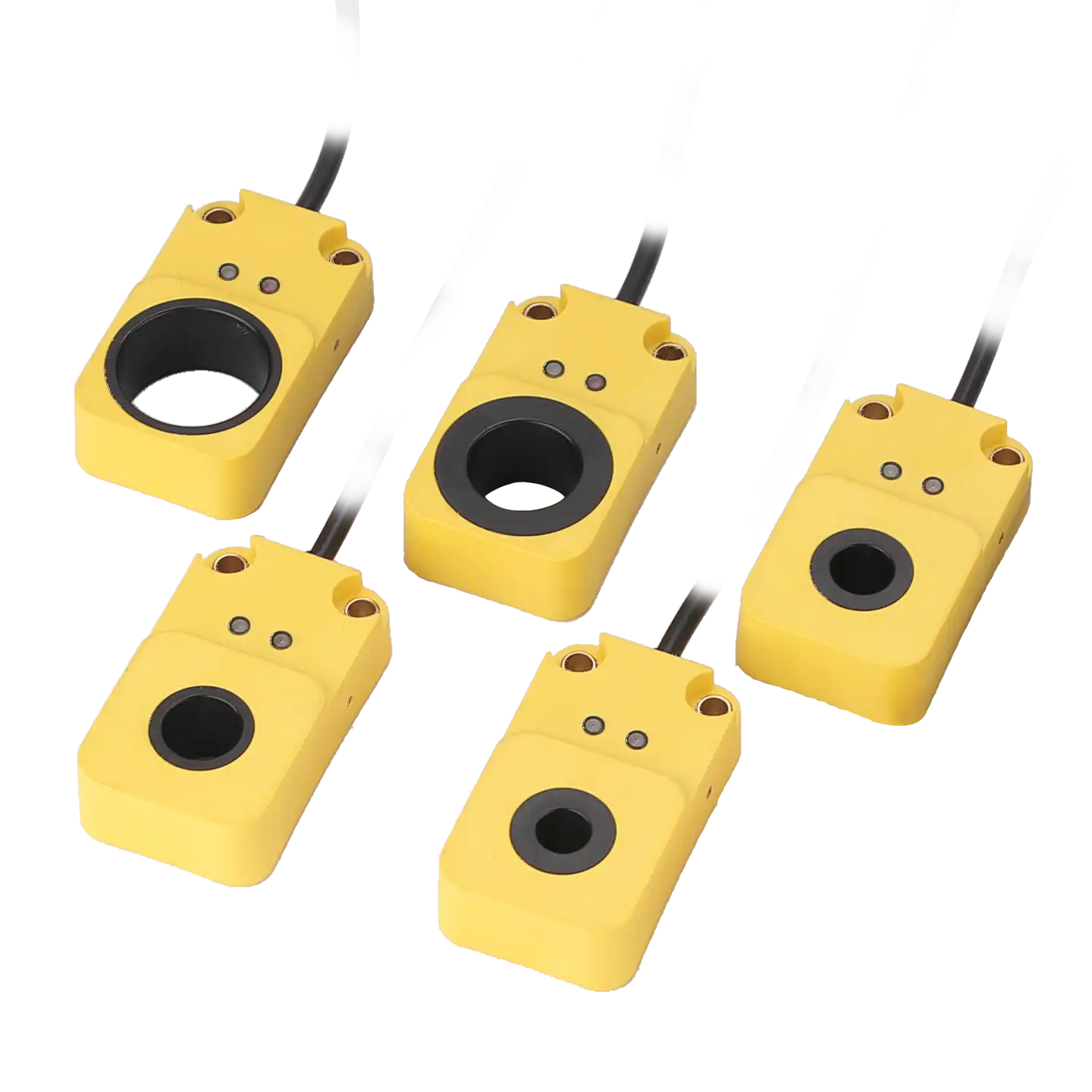
Inductive Proximity Wear-Free Metal Detection
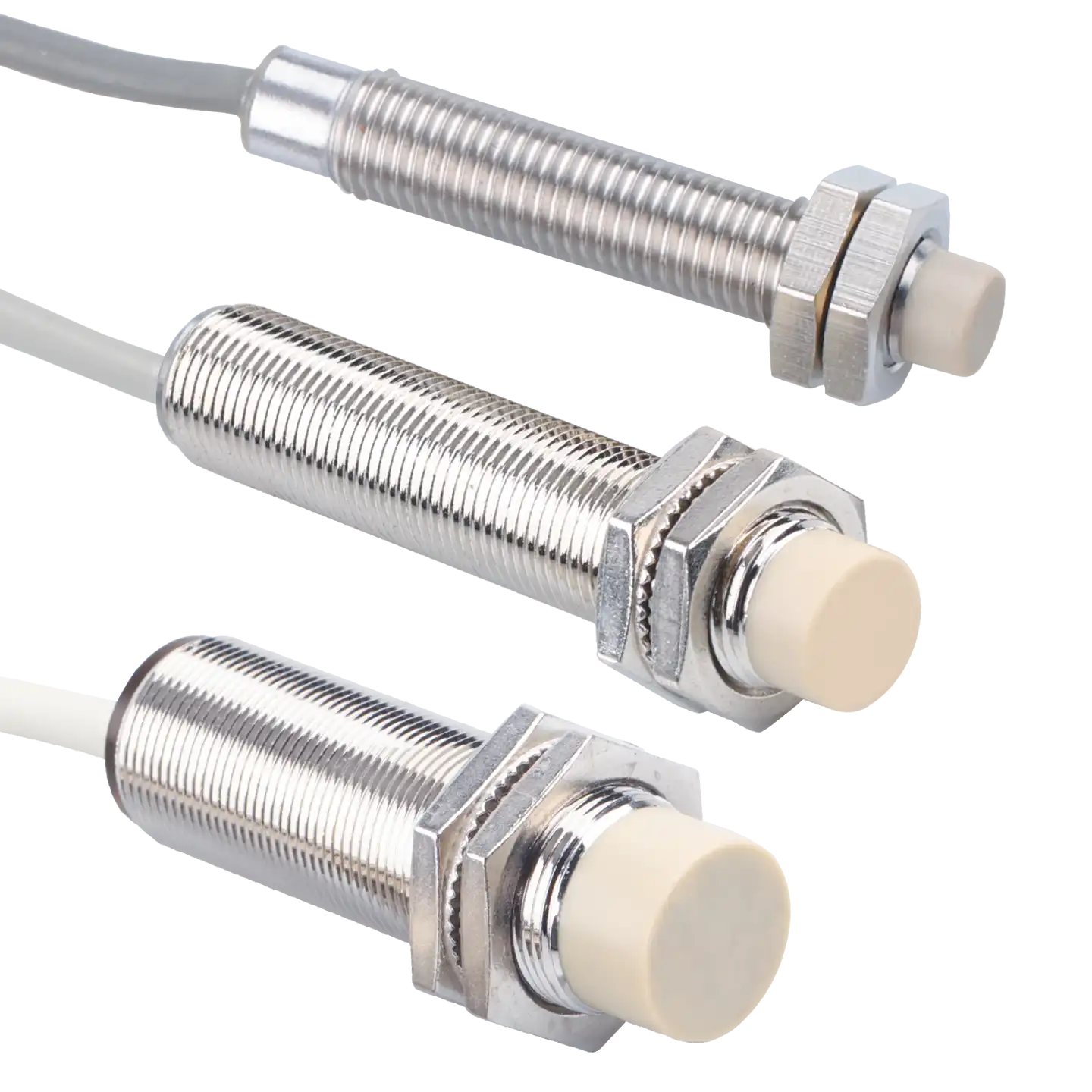
Engineered for extreme reliability in CNC machining, automotive assembly, and heavy manufacturing. XSZ inductive sensors deliver high-speed, non-contact detection with IP69K protection and immunity to industrial oil and dust.
- IP69K Protection Level
- 1.5kHz Switch Frequency
- M8-M30 Standard Sizes
Mastering the Eddy Current Principle
The core of XSZ inductive sensors is a high-frequency LC oscillating circuit. By projecting an alternating magnetic field from the sensing face, it detects metallic objects without any physical contact, ensuring zero mechanical wear and infinite service life.
Magnetic Field Generation
The internal coil creates a high-frequency electromagnetic field at the sensing face. This field is highly stabilized by our patented shielding technology.
Eddy Current Induction
When a metal target enters the field, eddy currents are induced on its surface, extracting energy from the oscillator and reducing the amplitude.
Trigger & Output
The internal Schmitt trigger detects the amplitude drop and switches the output state (NPN/PNP) in less than 1 millisecond.
Professional Product Series
High-performance optical & inductive solutions engineered for global industrial automation.
Reliable Detection for Harsh Environments
XSZ inductive proximity switches are built to endure. Beyond simple switching, we provide a robust sensing solution that resists high electrical noise, extreme mechanical stress, and aggressive cooling lubricants.
IP69K Rated Seal
Fully potted with high-grade epoxy resin. Resistant to high-pressure washdowns, industrial oils, and cooling lubricants in CNC machining centers.
High EMC Immunity
Equipped with advanced filtering circuits to prevent false triggering from frequency inverters, motors, and high-voltage electrical interference.
Wear-Free Operation
The non-contact inductive principle ensures zero mechanical friction, delivering millions of switching cycles with no maintenance required.
Extended Range
XSZ technology offers up to 2x the standard sensing distance, allowing the sensor to be mounted further away from moving parts to prevent collision damage.
Technical Data Sheet
XSZ proximity switches are available in multiple housing sizes. Use the table below to compare sensing ranges and frequencies for your specific automation needs.
| Specifications | XSZ-M8 (Compact) | XSZ-M12 (Standard) | XSZ-M18 (High Perf.) | XSZ-M30 (Long Range) |
|---|---|---|---|---|
| Sensing Distance ($S_n$) | 1mm - 2mm | 2mm - 4mm | 5mm - 8mm | 10mm - 15mm |
| Installation Type | Flush / Non-Flush | Flush / Non-Flush | Flush / Non-Flush | Flush / Non-Flush |
| Switching Frequency | 1.5 kHz | 1.0 kHz | 600 Hz | 400 Hz |
| Supply Voltage | 10 - 30V DC | 10 - 30V DC | 10 - 30V DC | 10 - 36V DC / AC |
| Hysteresis | < 10% of $S_n$ | < 10% of $S_n$ | < 10% of $S_n$ | < 15% of $S_n$ |
| Repeatability | < 0.05 mm | < 0.05 mm | < 0.10 mm | < 0.20 mm |
| Housing Material | St. Steel / Brass | St. Steel / Brass | Nickel-plated Brass | Nickel-plated Brass |
| Protection Rating | IP67 | IP67 / IP68 | IP67 / IP69K | IP67 |
Need 3D STEP files or Wiring Diagrams? Download Engineer Resource Pack →
Shielded vs. Unshielded
Choosing the right mounting style is critical for machine safety and sensing performance. XSZ provides both Flush and Non-Flush configurations for all standard diameters.
Shielded (Flush)
The sensor can be embedded in metal up to the sensing face.
- + Highest Protection: Shielded housing prevents damage from lateral impact.
- + Side-by-Side: Allows closer mounting with other sensors.
- - Short Range: Sensing distance is typically 25-50% shorter than non-flush.
Unshielded (Non-Flush)
The sensing head protrudes and requires a metal-free clearance zone.
- + Maximum Distance: Offers the longest possible sensing range for the diameter.
- + Reliability: Better at detecting targets with low magnetic permeability.
- - Installation: Requires specific clearance to avoid false triggering from the mount.
Industrial Field Applications
XSZ inductive sensors are the trusted choice for extreme environments, ensuring precise detection where oil, dust, and vibration are part of the daily routine.
CNC Machining Centers
Monitoring tool magazine positions and spindle rotation speeds. Our sensors are fully resistant to metal chips and aggressive cooling lubricants.
Automotive Production
Detecting the presence of car body parts on conveyor belts and ensuring precise positioning for robotic welding arms with high repeatability.
Metal Cap Detection
High-speed counting of metal cans or detecting the presence of aluminum foil seals. IP69K models allow for intensive daily washdown procedures.
Elevator Floor Leveling
Reliable floor position sensing and safety limit monitoring. The wear-free design ensures years of service without the need for mechanical adjustment.
Manufacturing Excellence
Direct from our ISO-certified facility. We utilize fully automated winding and potting processes to ensure every inductive sensor meets IP69K standards for the harshest environments.
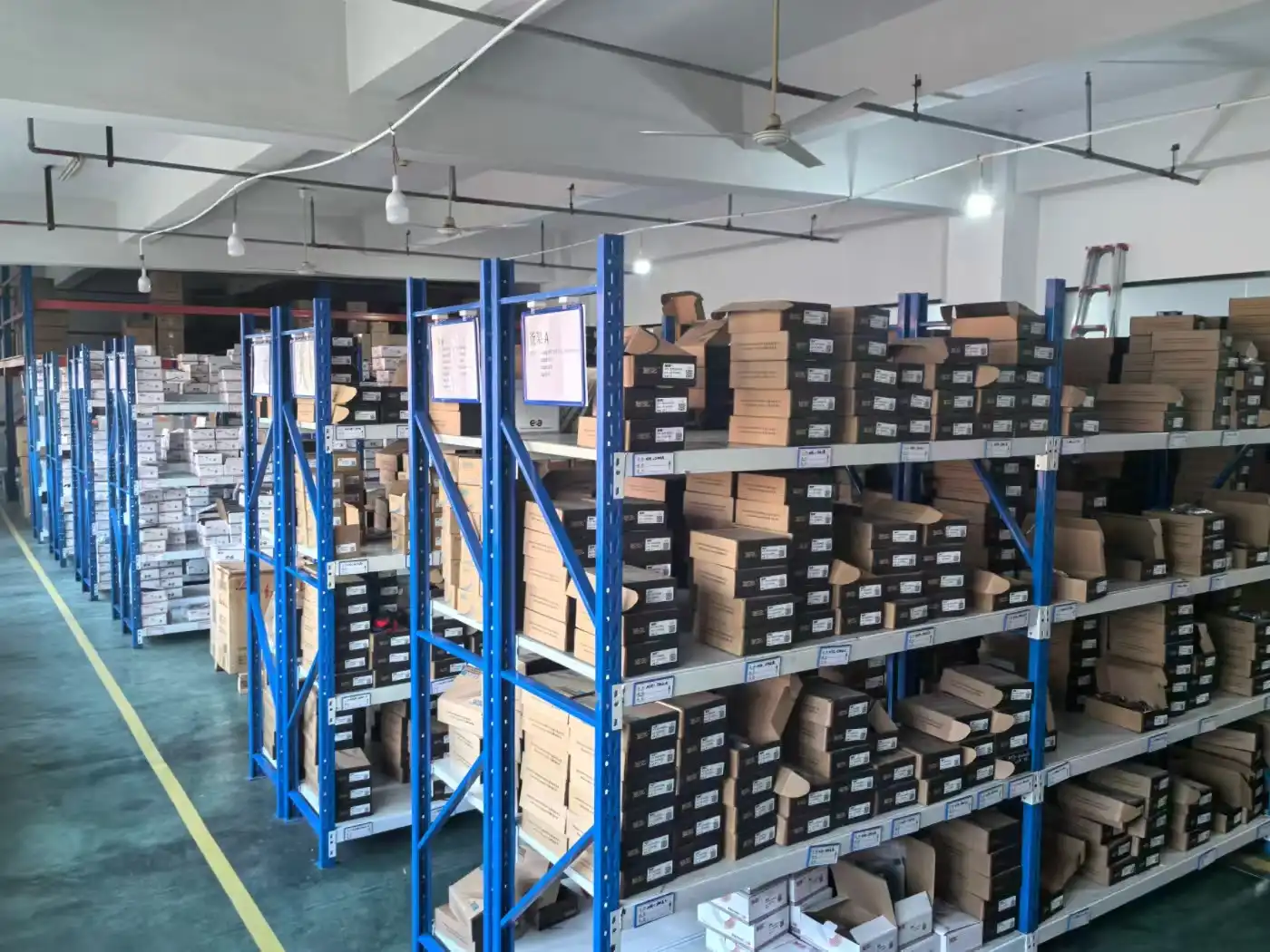
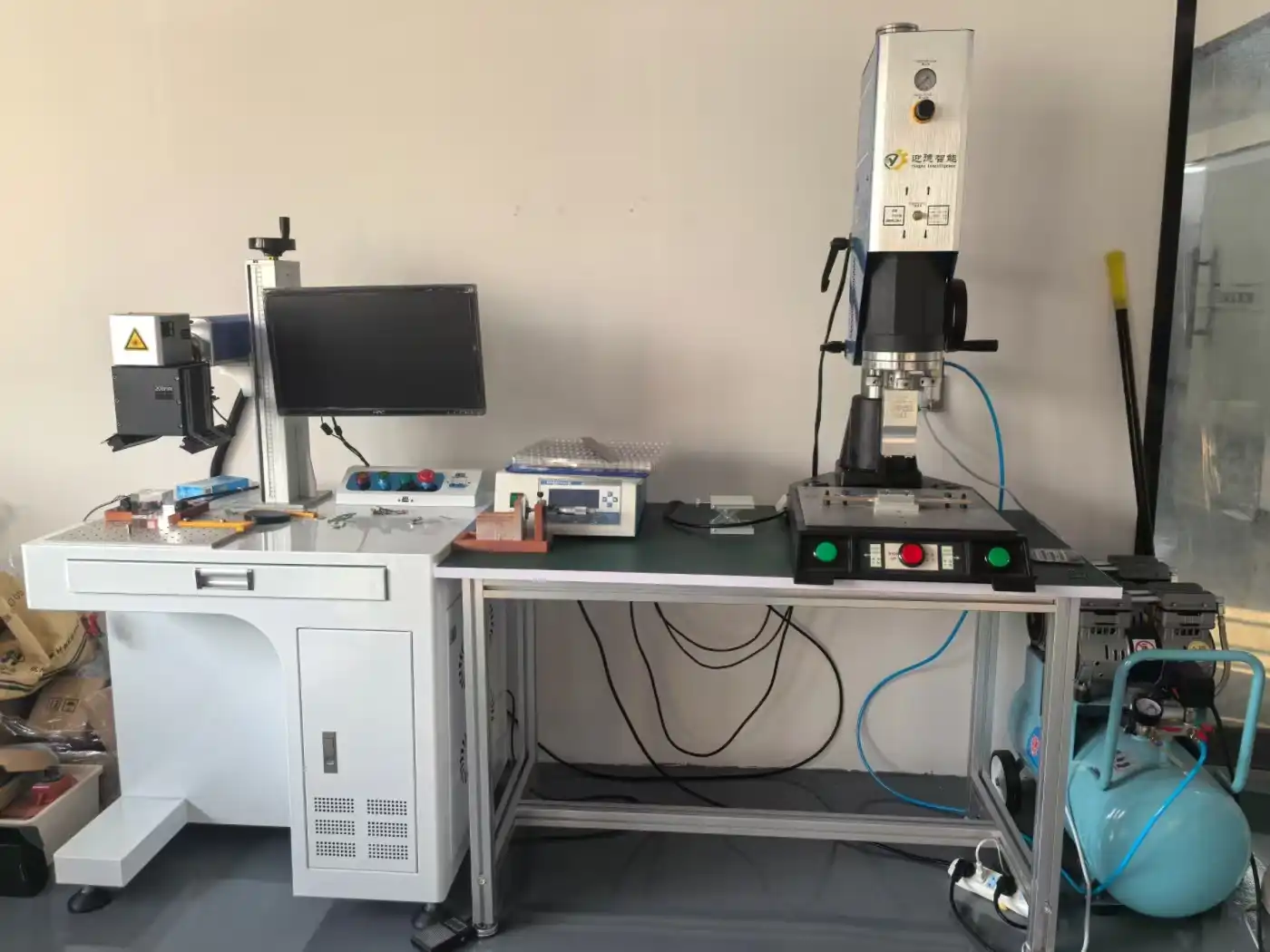
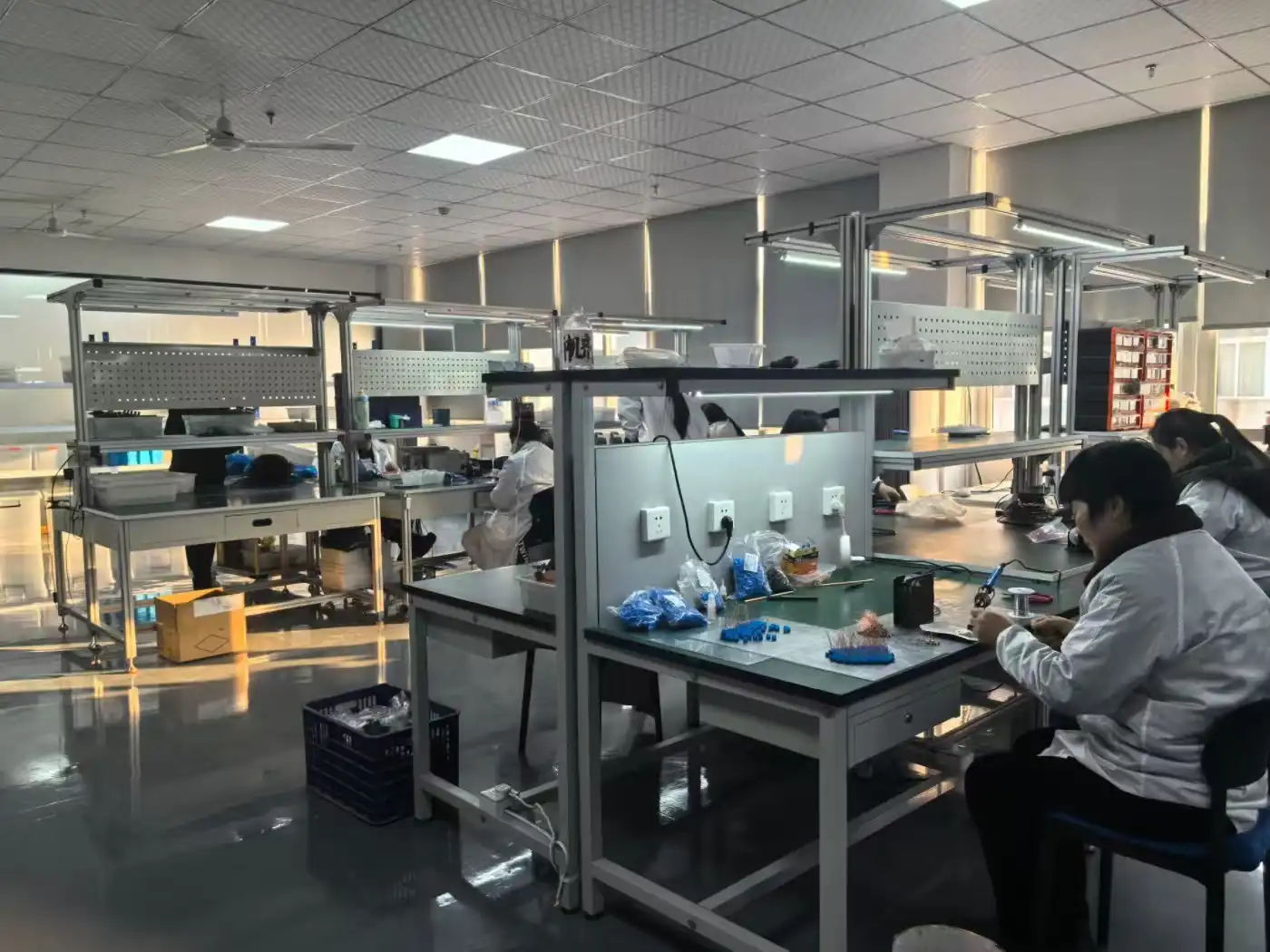
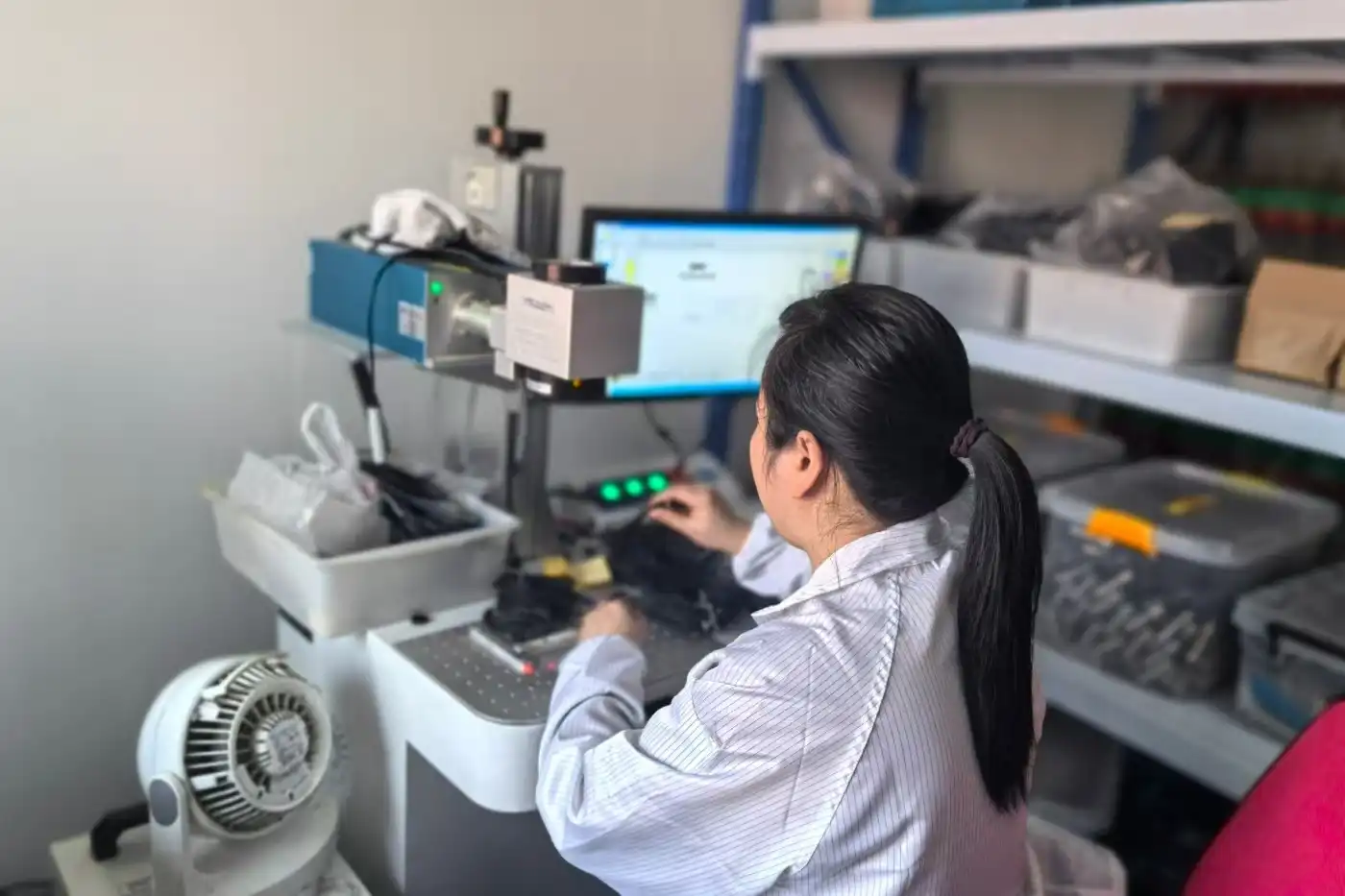
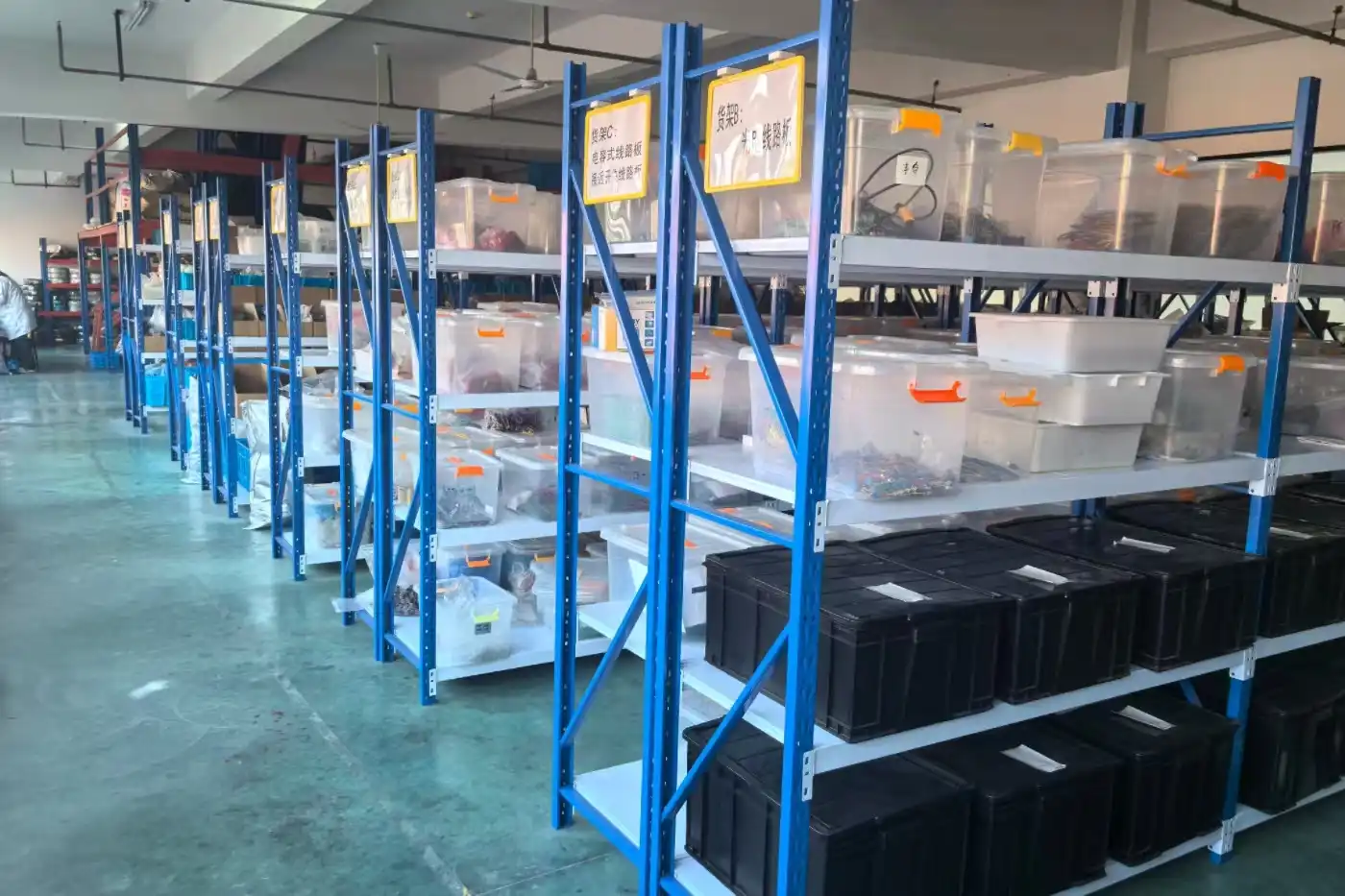
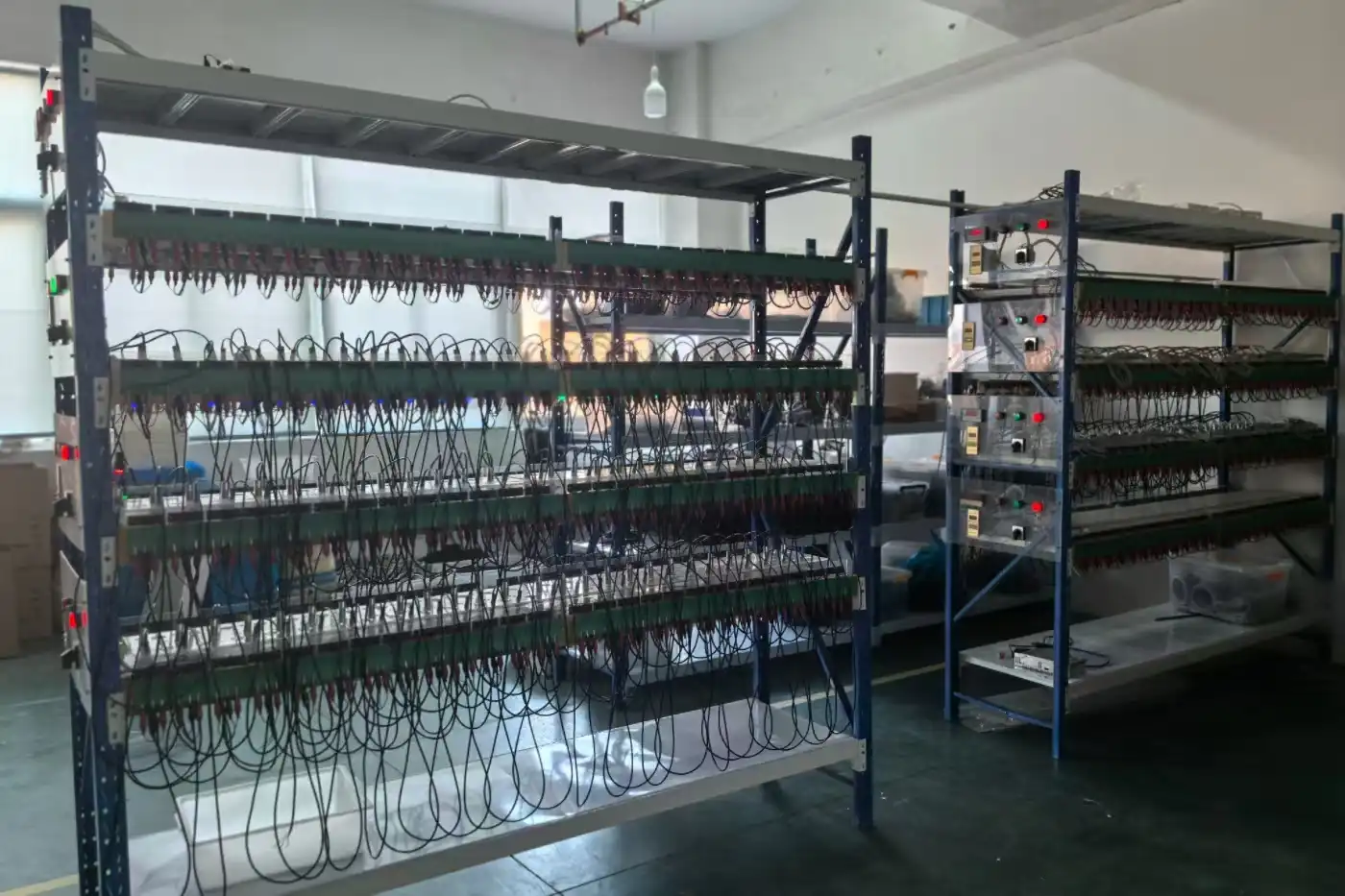
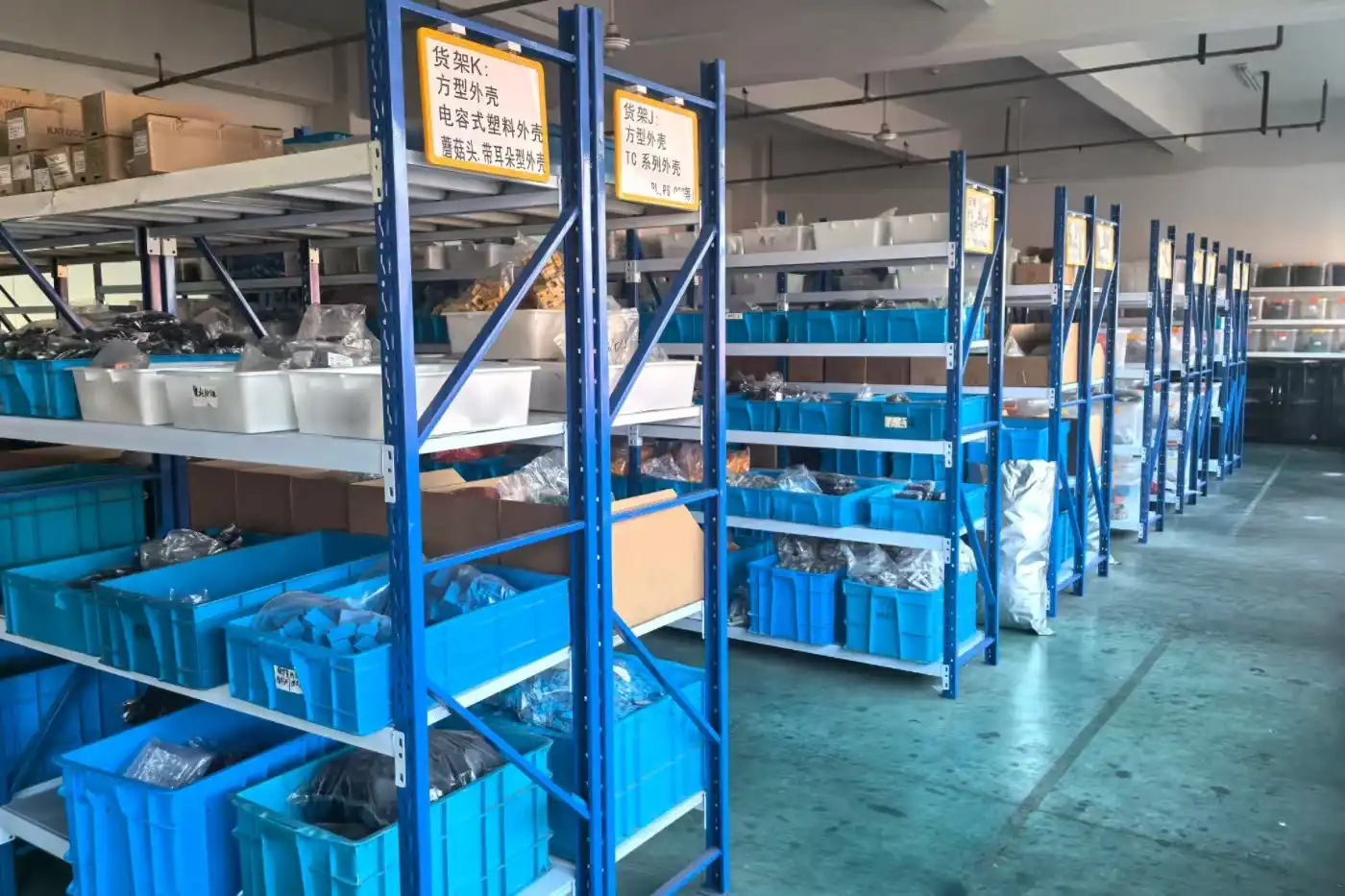
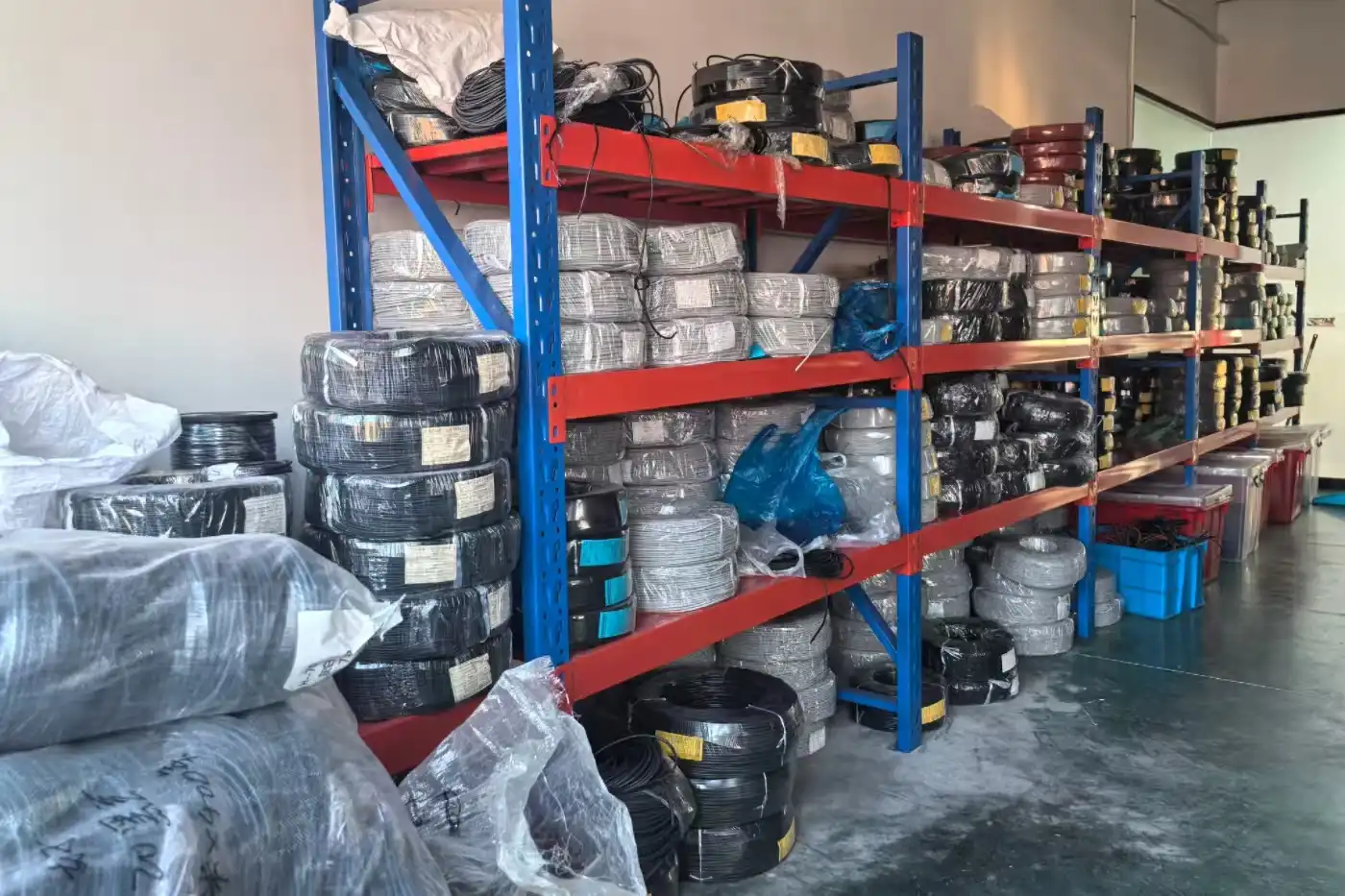
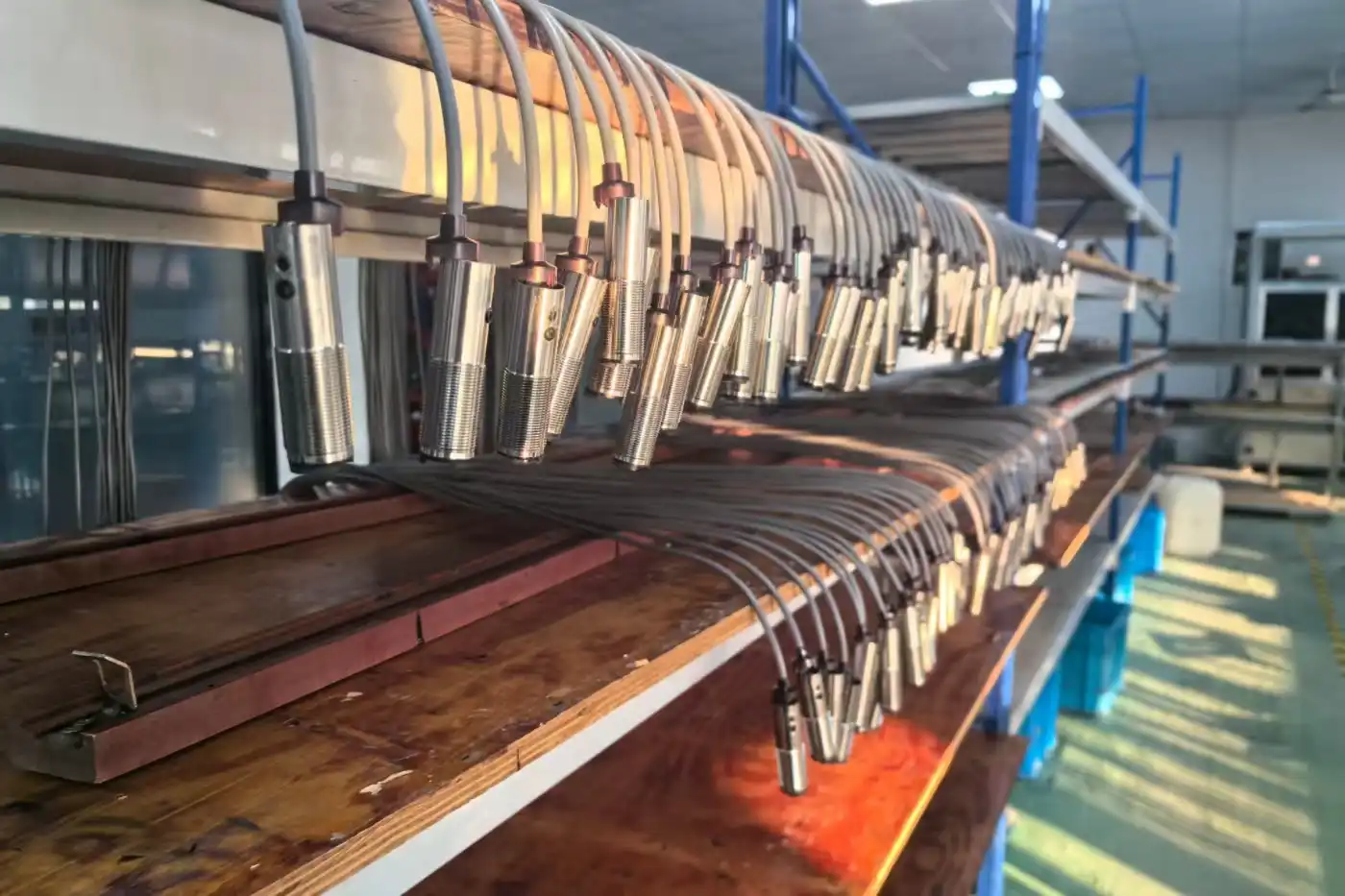
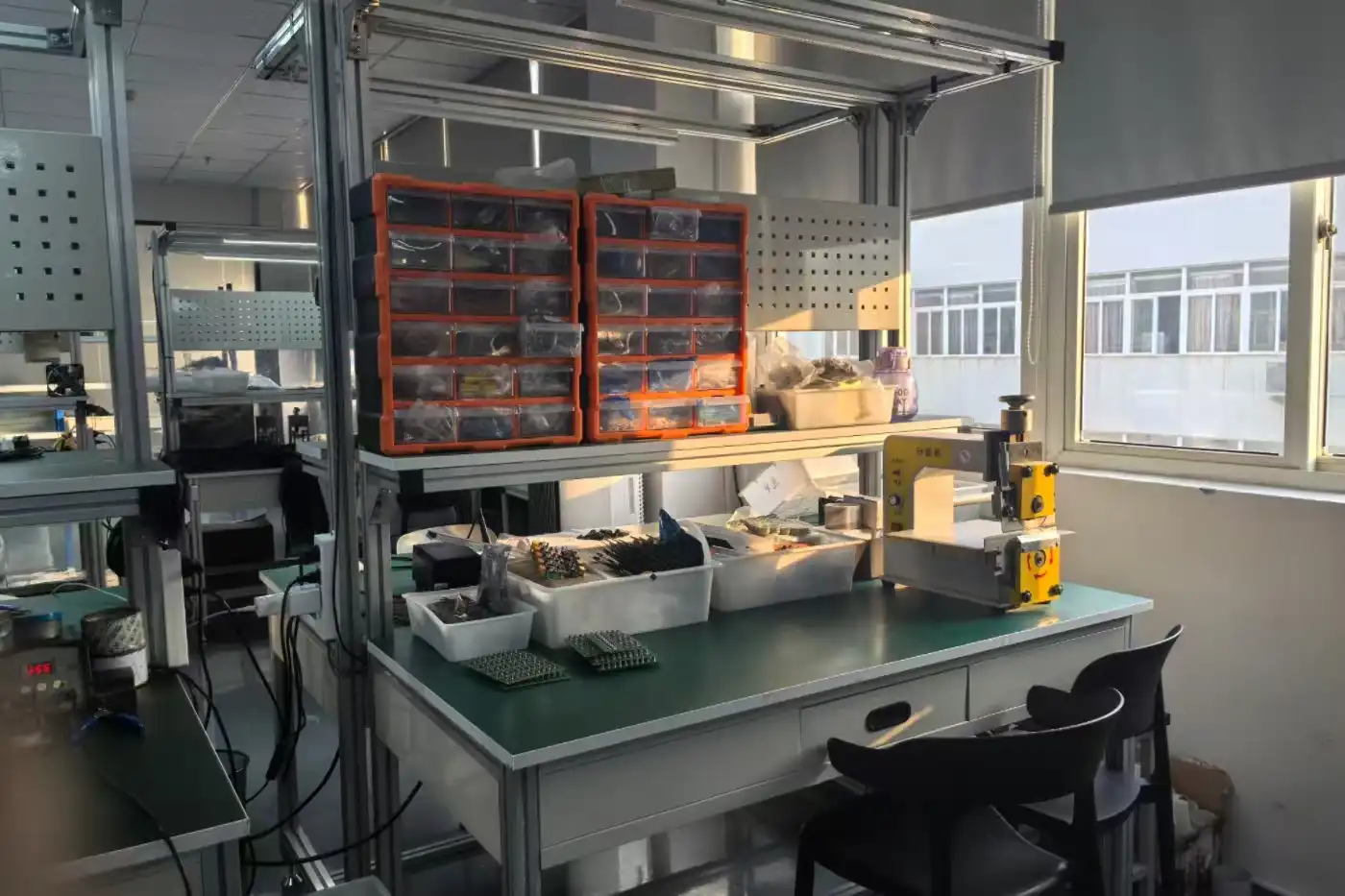
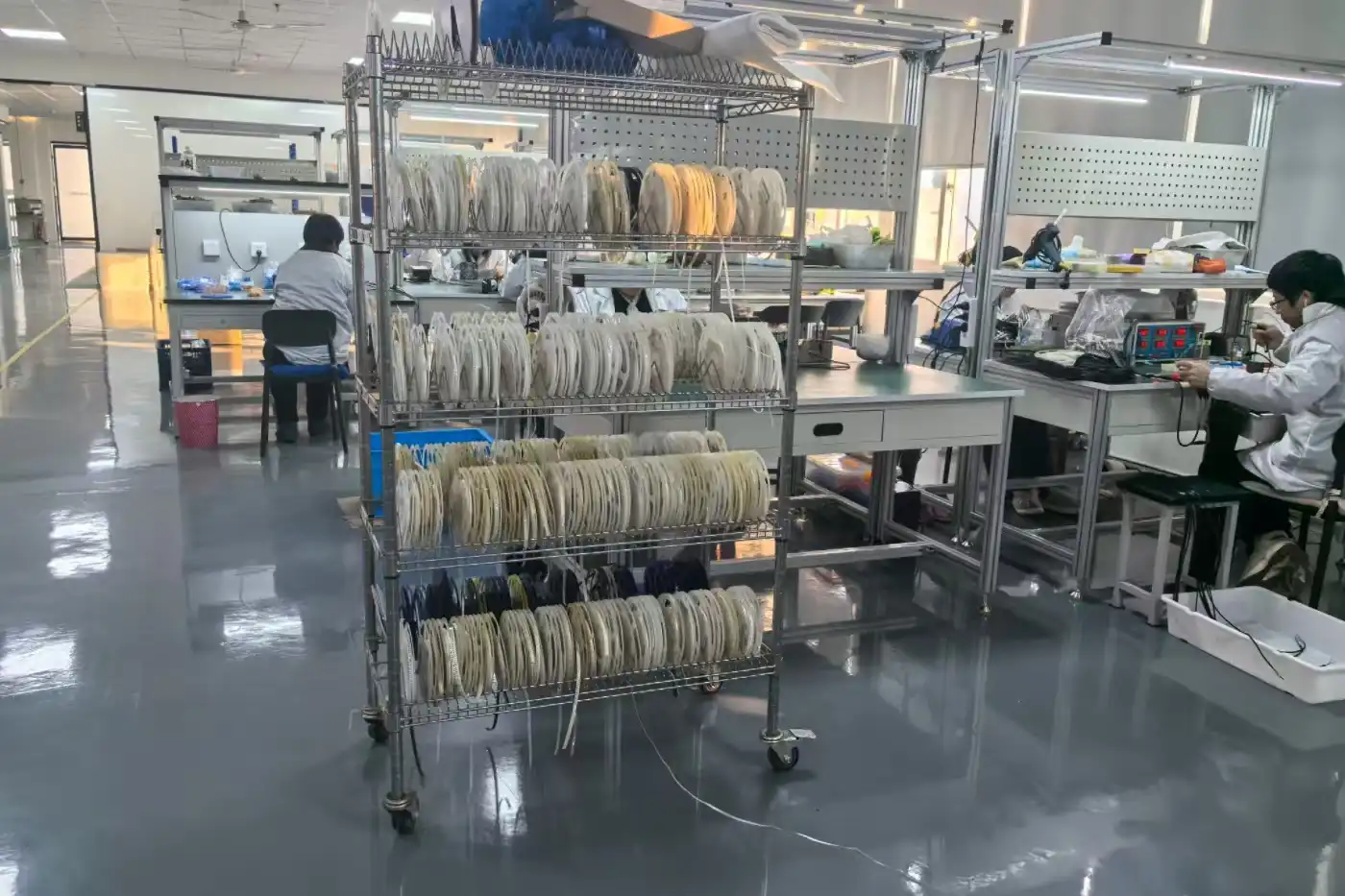
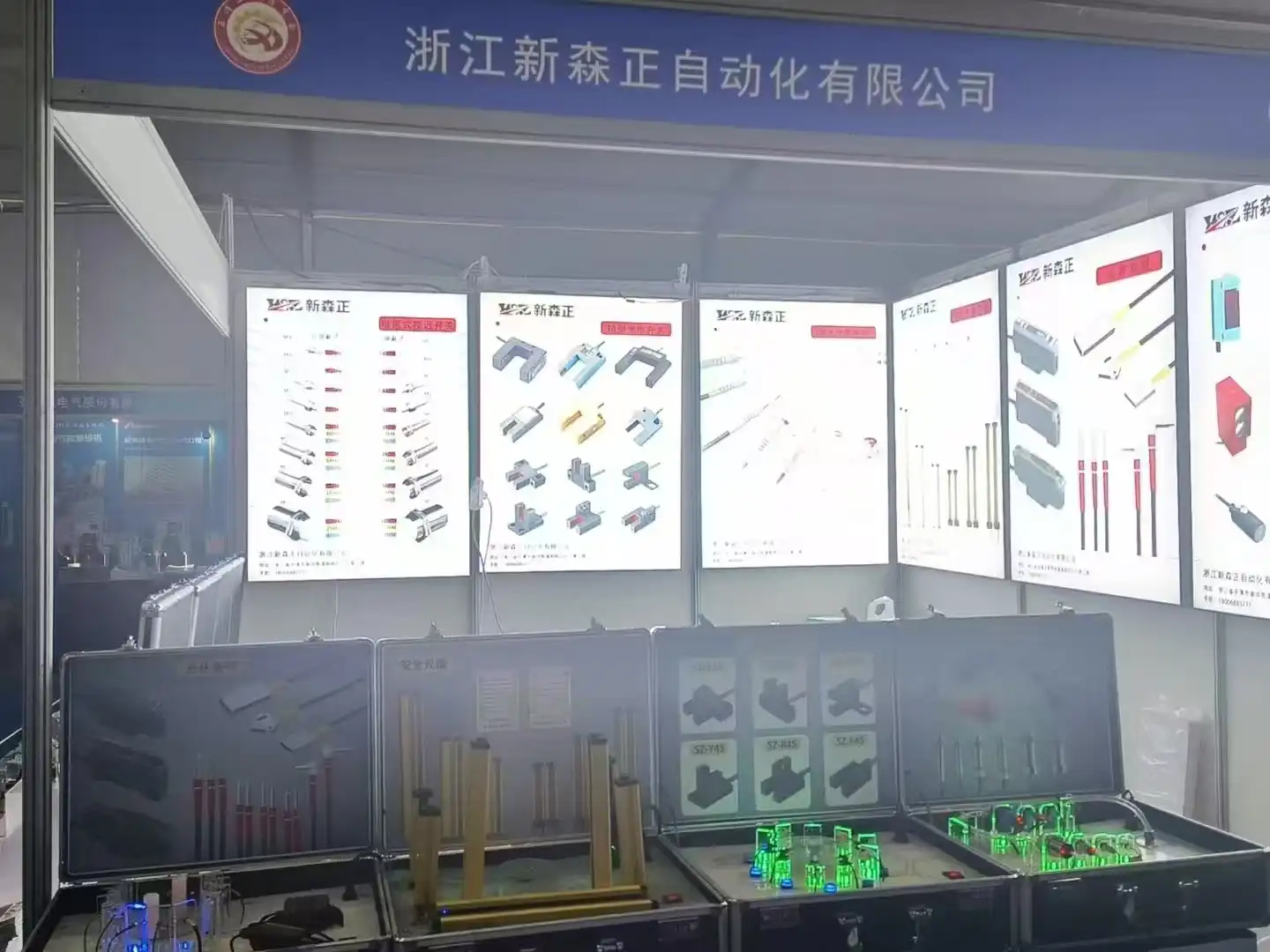
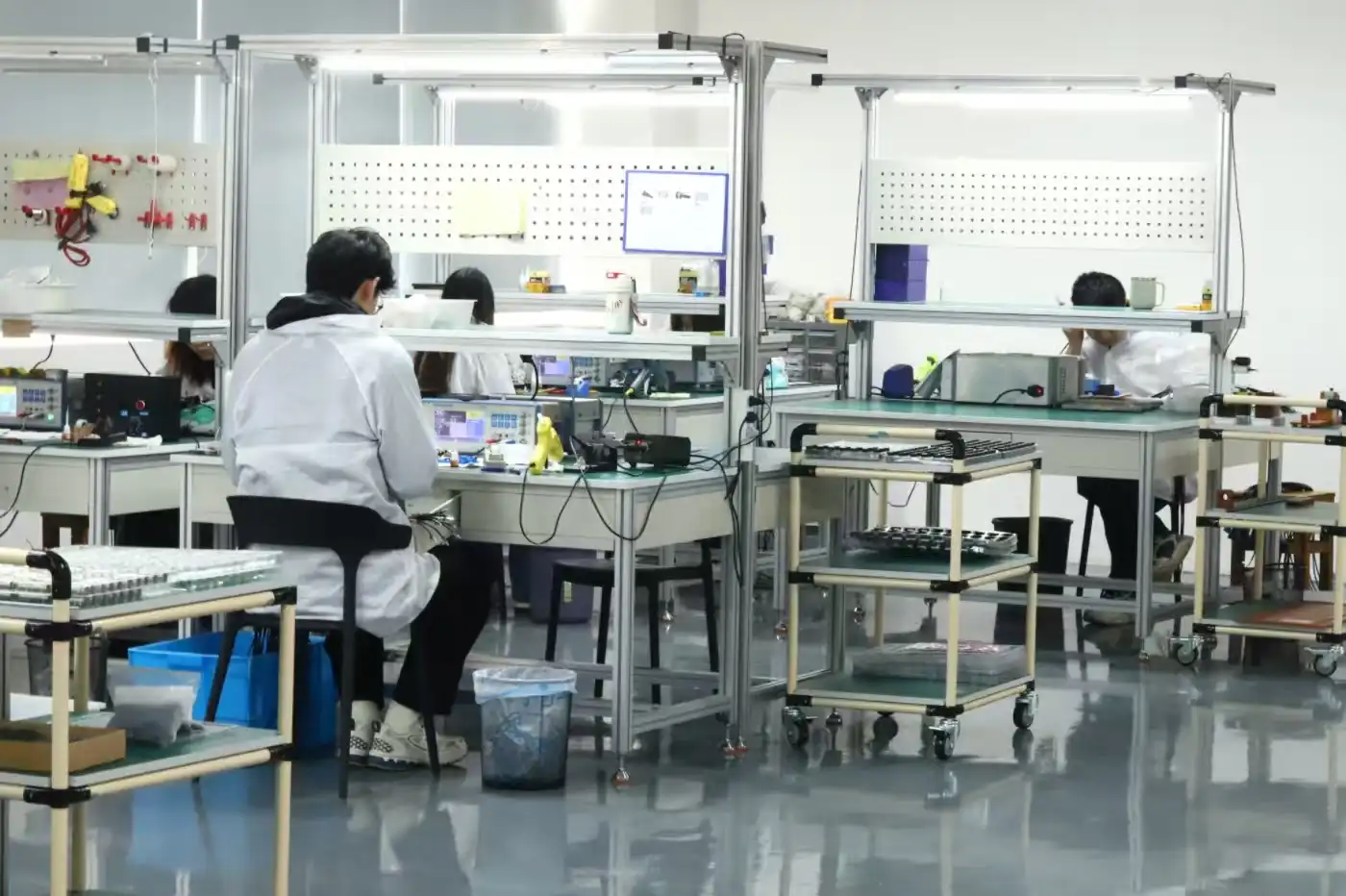
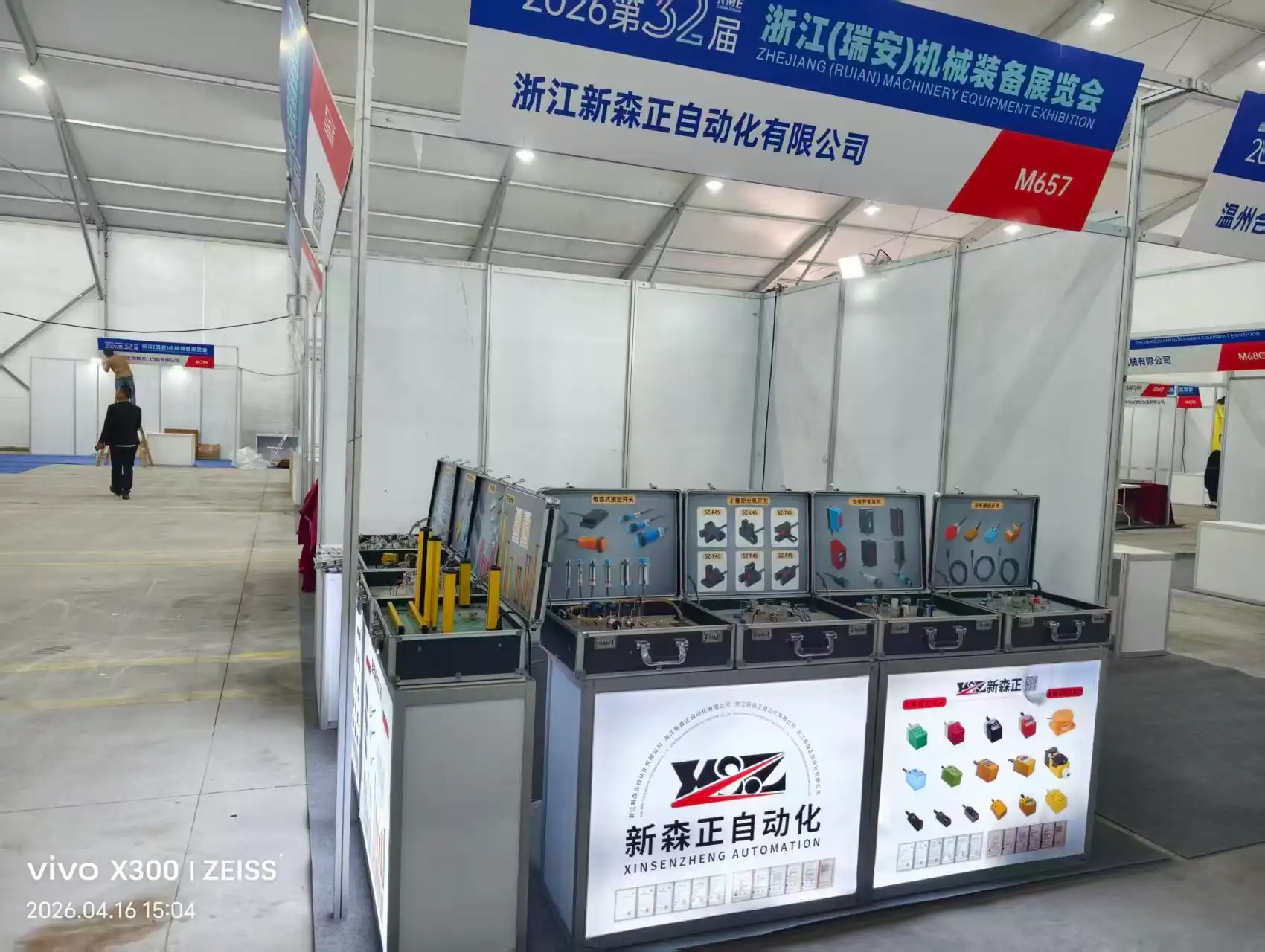
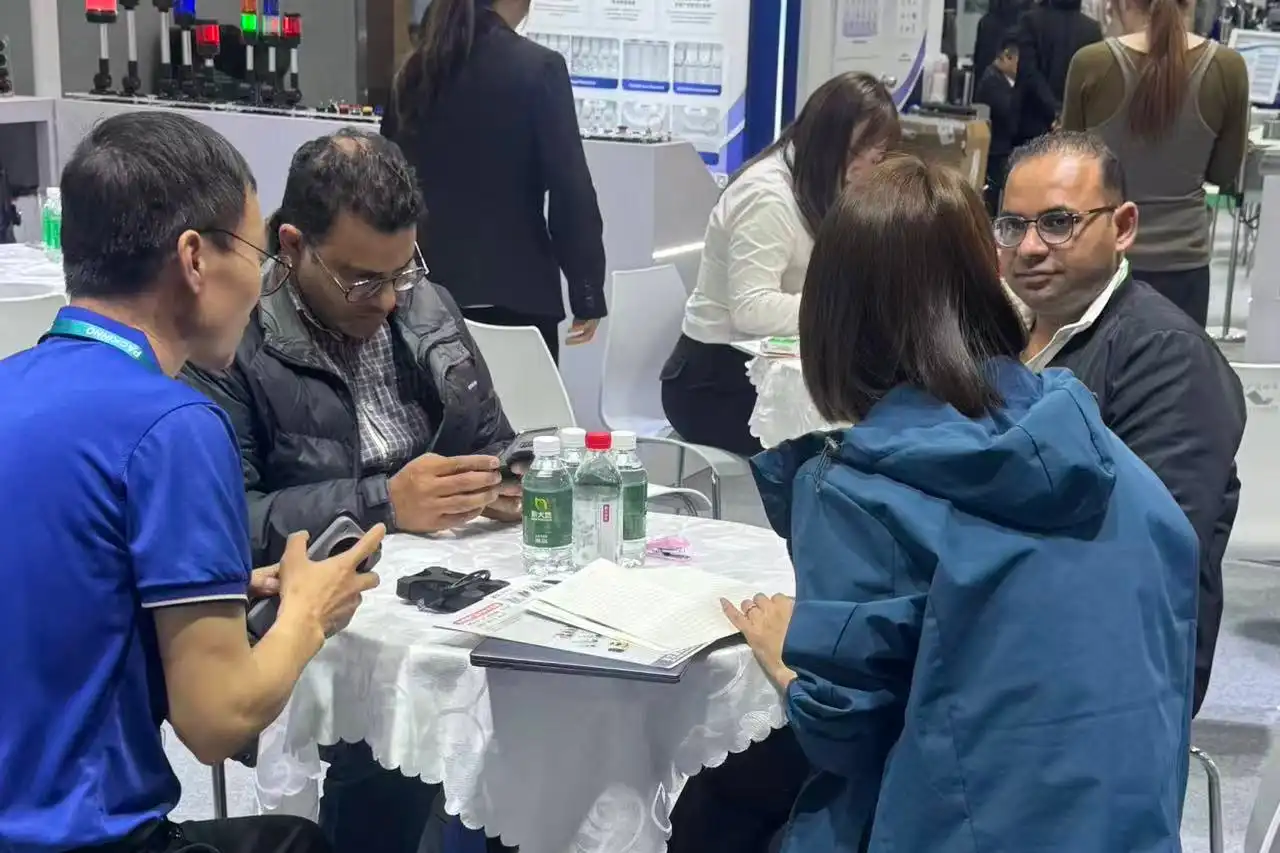
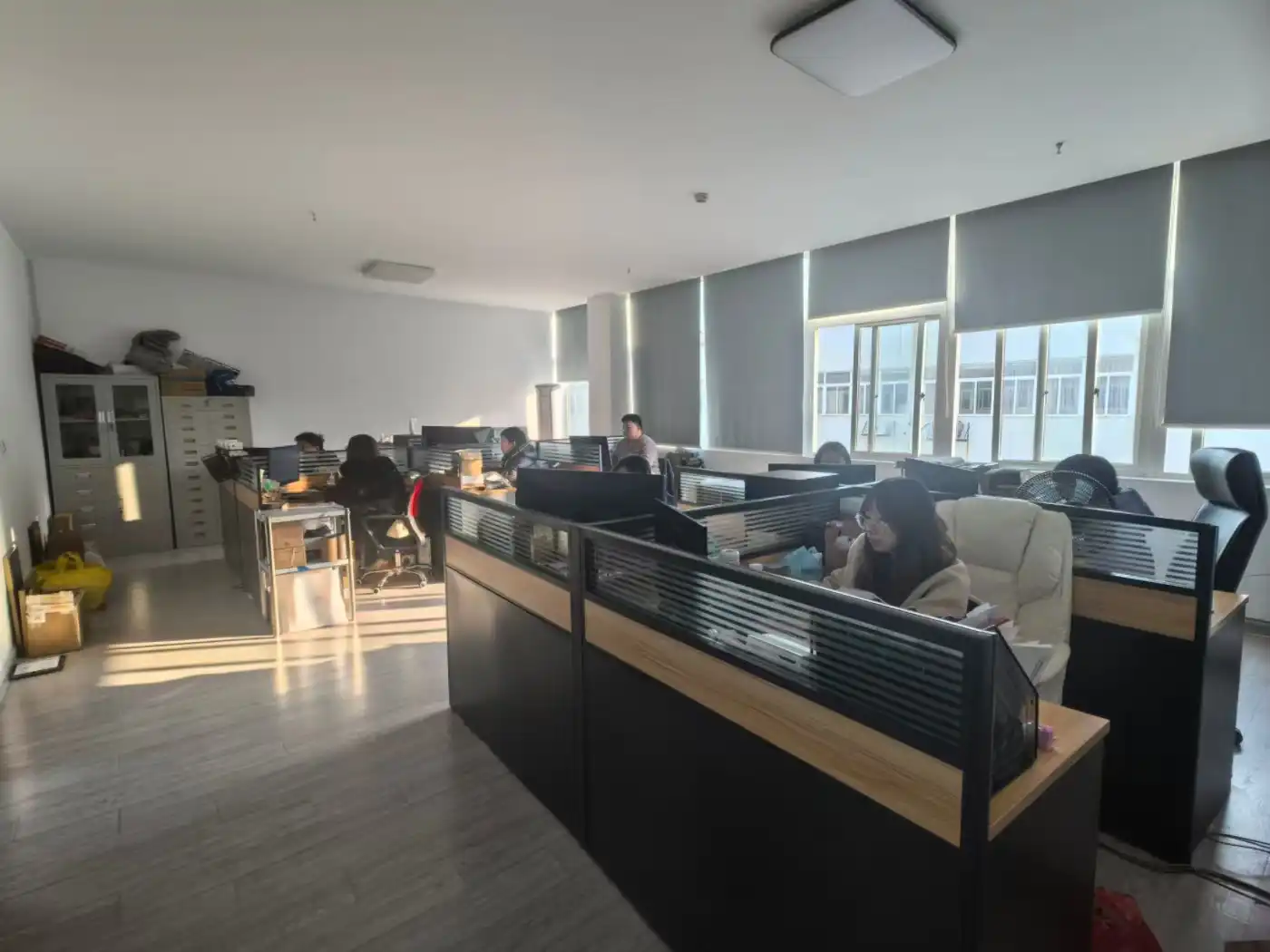

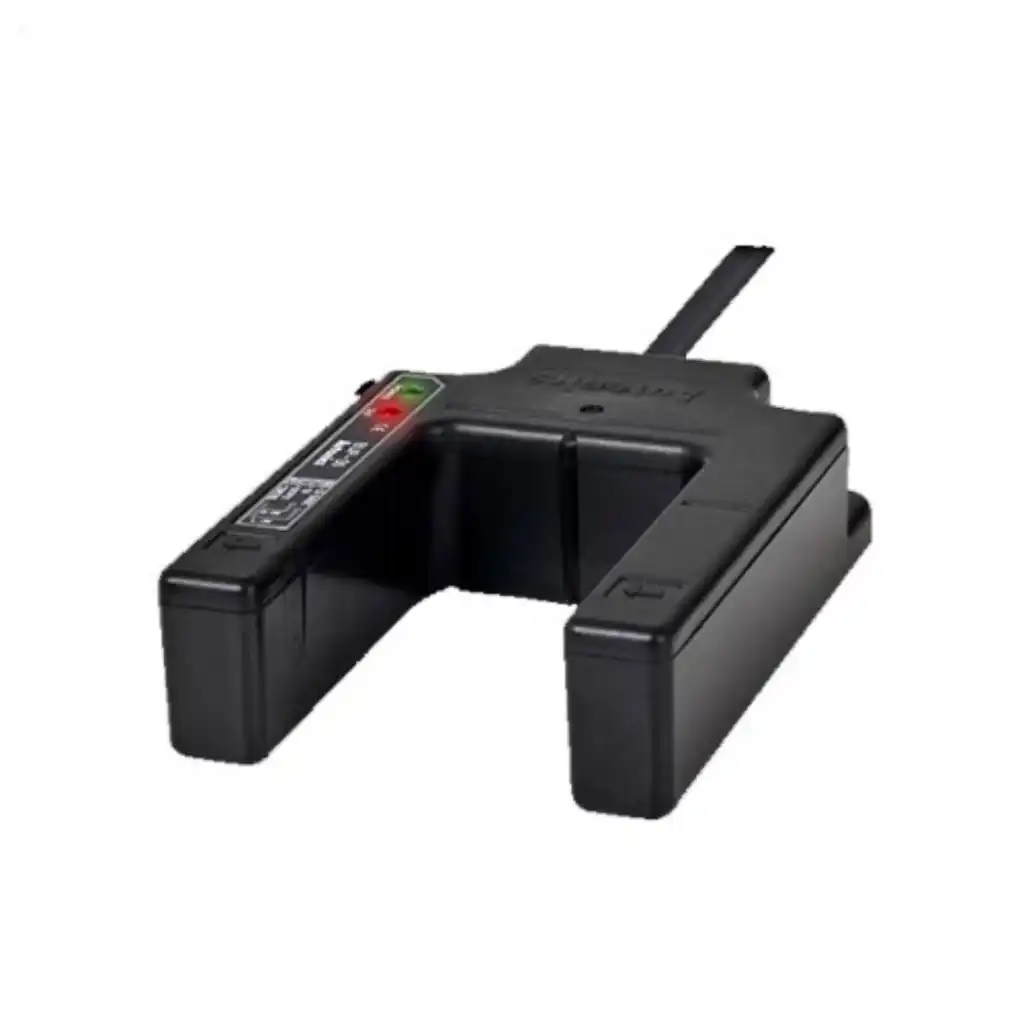
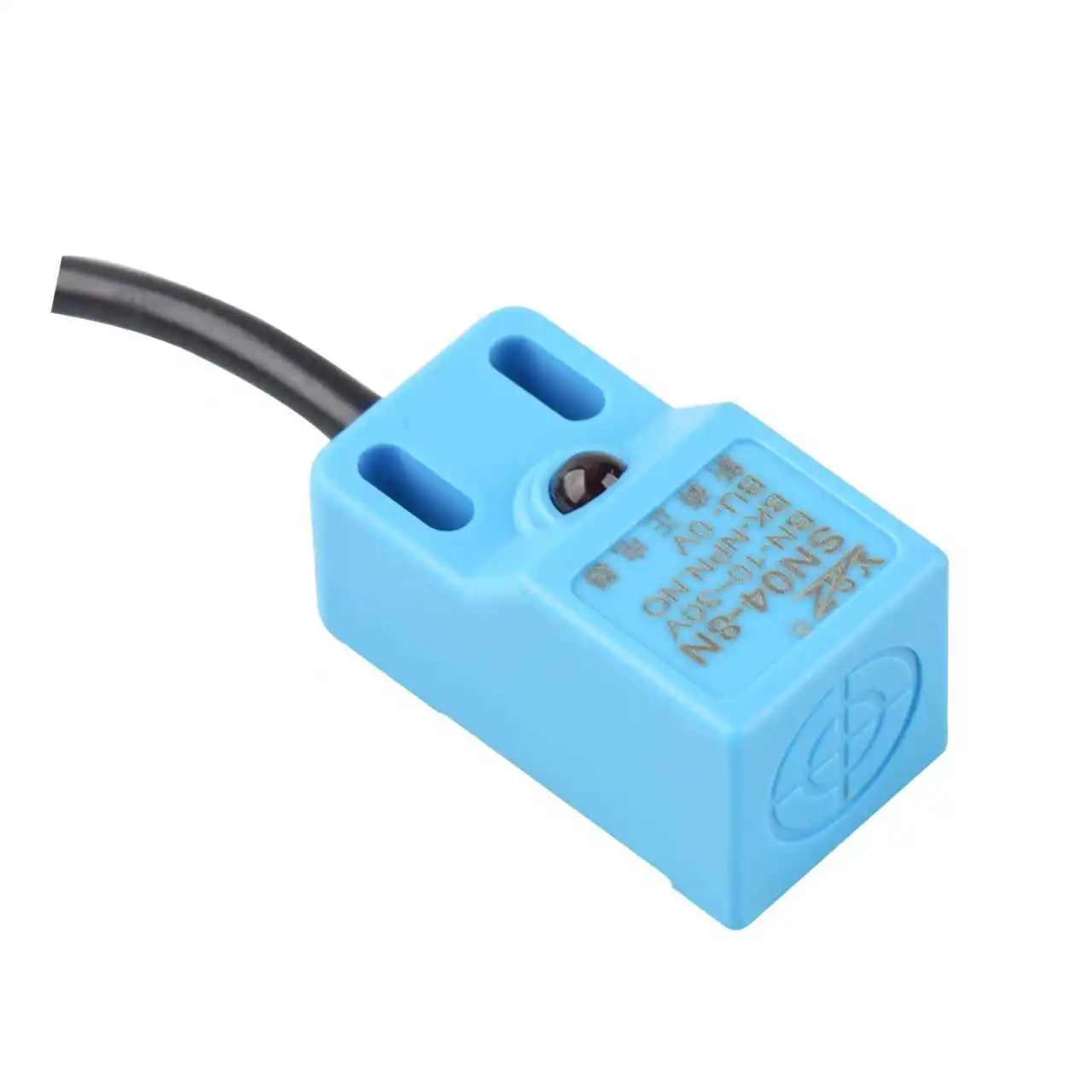
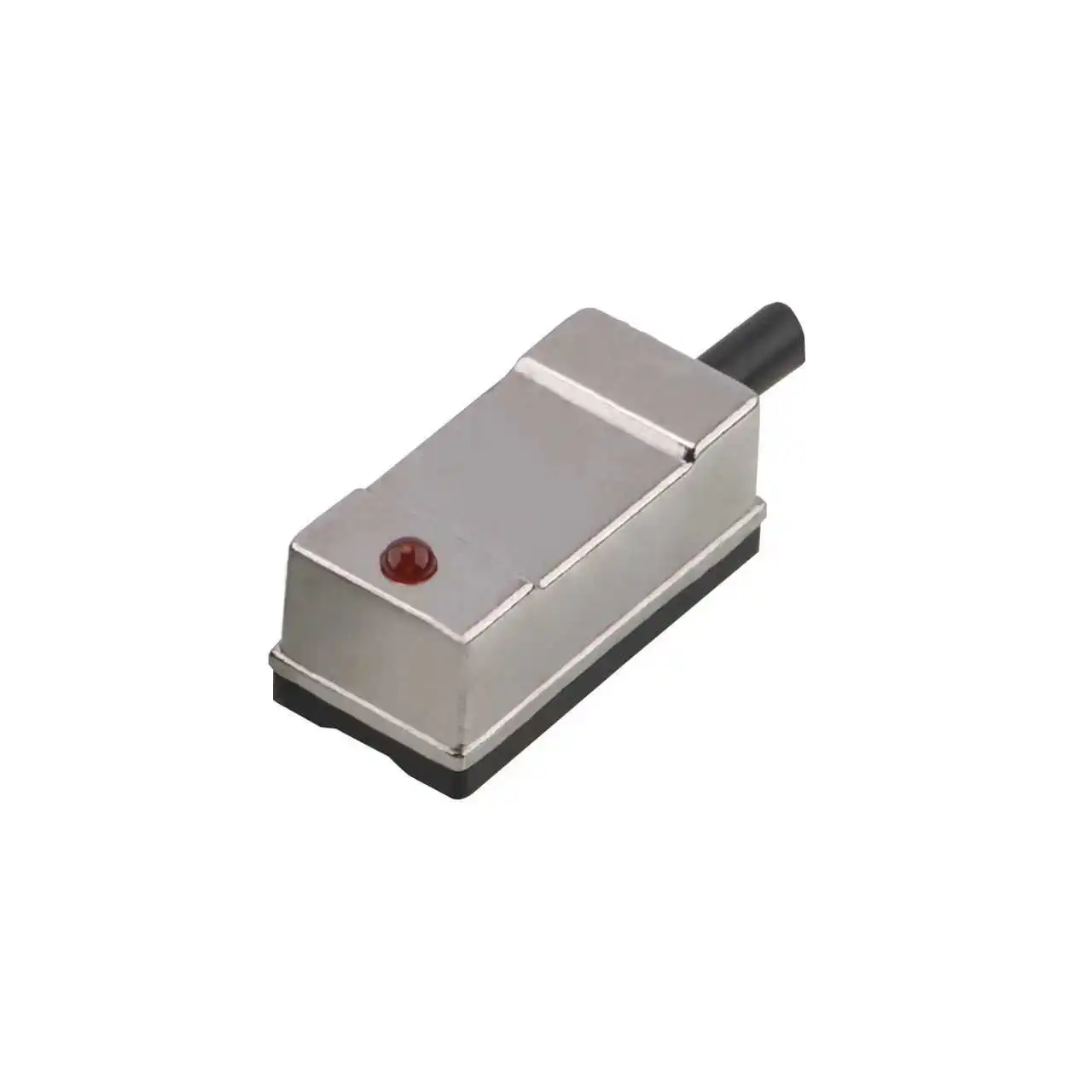
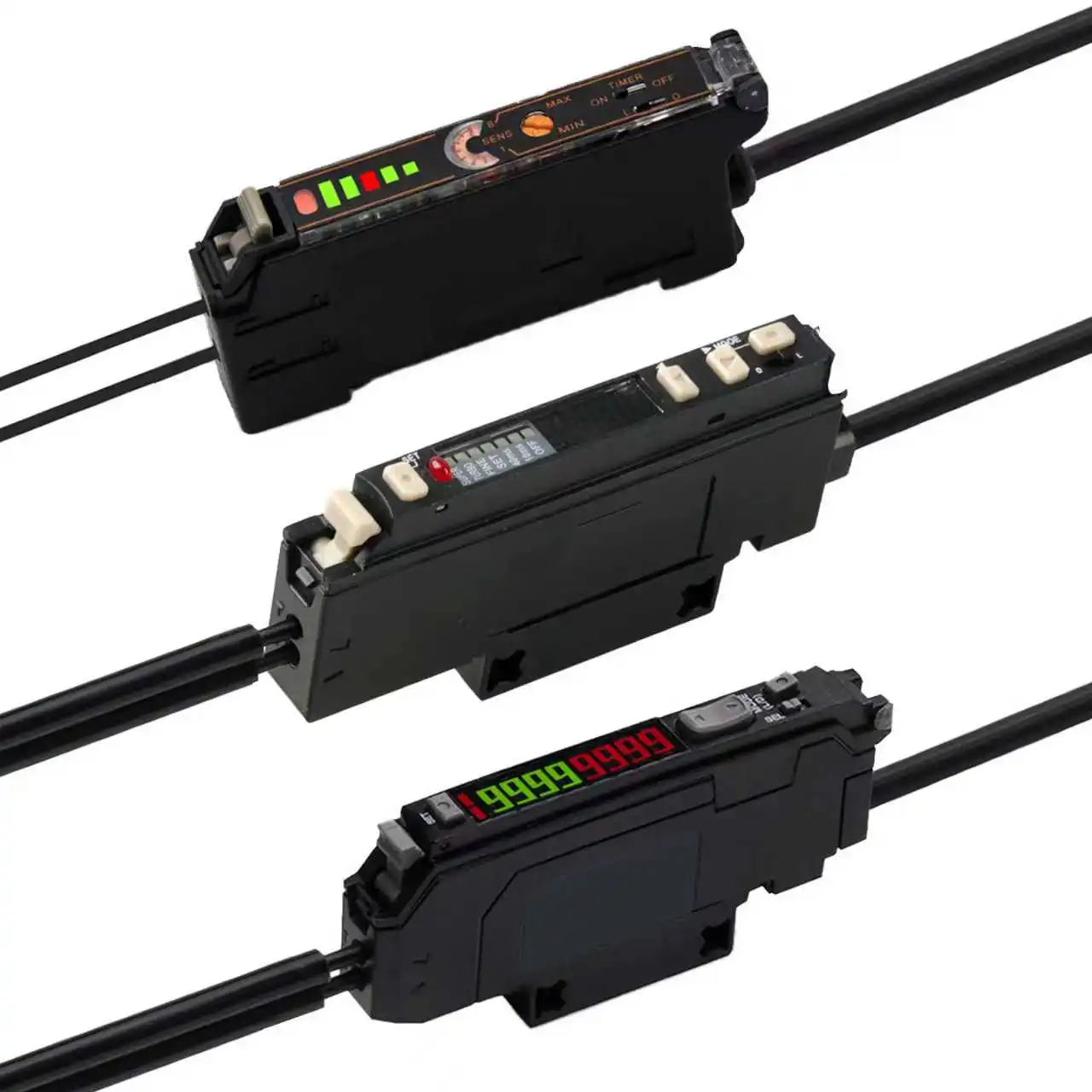
Experience our manufacturing standards. Book a Virtual Factory Tour →
Tailored Sensing Solutions
We don't just sell sensors; we provide engineering partnerships. Our team specializes in modifying standard inductive switches to meet your specific machine requirements.
Technical Feasibility Study
We analyze your mounting constraints and target metal properties (Steel, Aluminum, Copper). Our engineers determine the ideal sensing range and correction factors to ensure 100% reliable switching.
Component Customization
Customize the essentials: Choose PUR cables for oily environments, M12/M8/M5 connectors for modular wiring, or specify custom housing lengths and specialized thread pitches to fit existing brackets.
Stress & Reliability Testing
Prototypes undergo rigorous validation in our labs, including high-frequency vibration tests, thermal cycling from -40°C to +85°C, and electromagnetic compatibility (EMC) shielding verification.
Rapid Prototyping & Scale
Receive engineering samples within 5-7 business days. Once validated, our automated production lines ensure consistent quality and lead times for high-volume monthly shipments.
Have a Non-Standard Requirement?
Contact our application engineers for a custom drawing and feasibility assessment today.
What Our Global Partners Say
From high-speed CNC machining to heavy-duty automotive assembly, XSZ inductive proximity switches are the industry standard for engineers seeking zero-maintenance metal detection.
"The IP69K sealing on XSZ inductive sensors is phenomenal. We use them in our CNC centers where they are constantly blasted with cutting oils and metal shavings. Unlike our previous suppliers, these haven't failed once in 14 months of 24/7 operation."
"Switching from mechanical switches to XSZ Inductive Proximity Switches was a game-changer for our gear counting line. Their 1.5kHz response frequency is incredibly stable, and the no-contact design means zero wear and tear on our parts."
"The Extended Sensing Range models allowed us to mount the sensors further away from moving heavy pallets, significantly reducing accidental collision damage. Buying direct from XSZ factory saved us 30% compared to local distributors."
Frequently Asked Questions
Expert answers to the most common technical inquiries regarding our inductive metal sensing solutions.
Does the sensing distance change for different types of metal?
+Yes. Inductive sensors are most sensitive to ferrous metals (Steel/Iron), which represent 100% of the rated distance ($S_n$). For non-ferrous metals, apply a Correction Factor: Stainless Steel (approx. 0.7), Aluminum (approx. 0.4), and Copper (approx. 0.3). If you need to detect Aluminum at long ranges, ask about our "Factor 1" series.
How do I choose between Flush (Shielded) and Non-Flush (Unshielded) models?
+Flush models can be mounted level with the surrounding metal surface without false triggering, but have a shorter range. Non-Flush models offer up to 50% longer sensing distances but require a "metal-free" zone around the sensing head to prevent interference from the mounting bracket.
What is the difference between NPN and PNP output?
+This depends on your PLC logic. PNP (Source) output switches the positive voltage to the load, commonly used in Europe and North America. NPN (Sink) output switches the negative (0V) to the load, traditionally more common in Asian markets. XSZ provides both options for all models.
Are XSZ sensors resistant to cutting oils and high-pressure washdowns?
+Absolutely. Our IP67 and IP69K rated sensors are fully potted with epoxy resin and use nickel-plated brass or stainless steel housings. They are specifically designed to withstand aggressive cooling lubricants in CNC machines and steam cleaning in food processing lines.
Need help with wiring or NORM compliance?
Our application engineers can provide wiring diagrams, 3D STEP files, and technical advice for your specific machine setup.