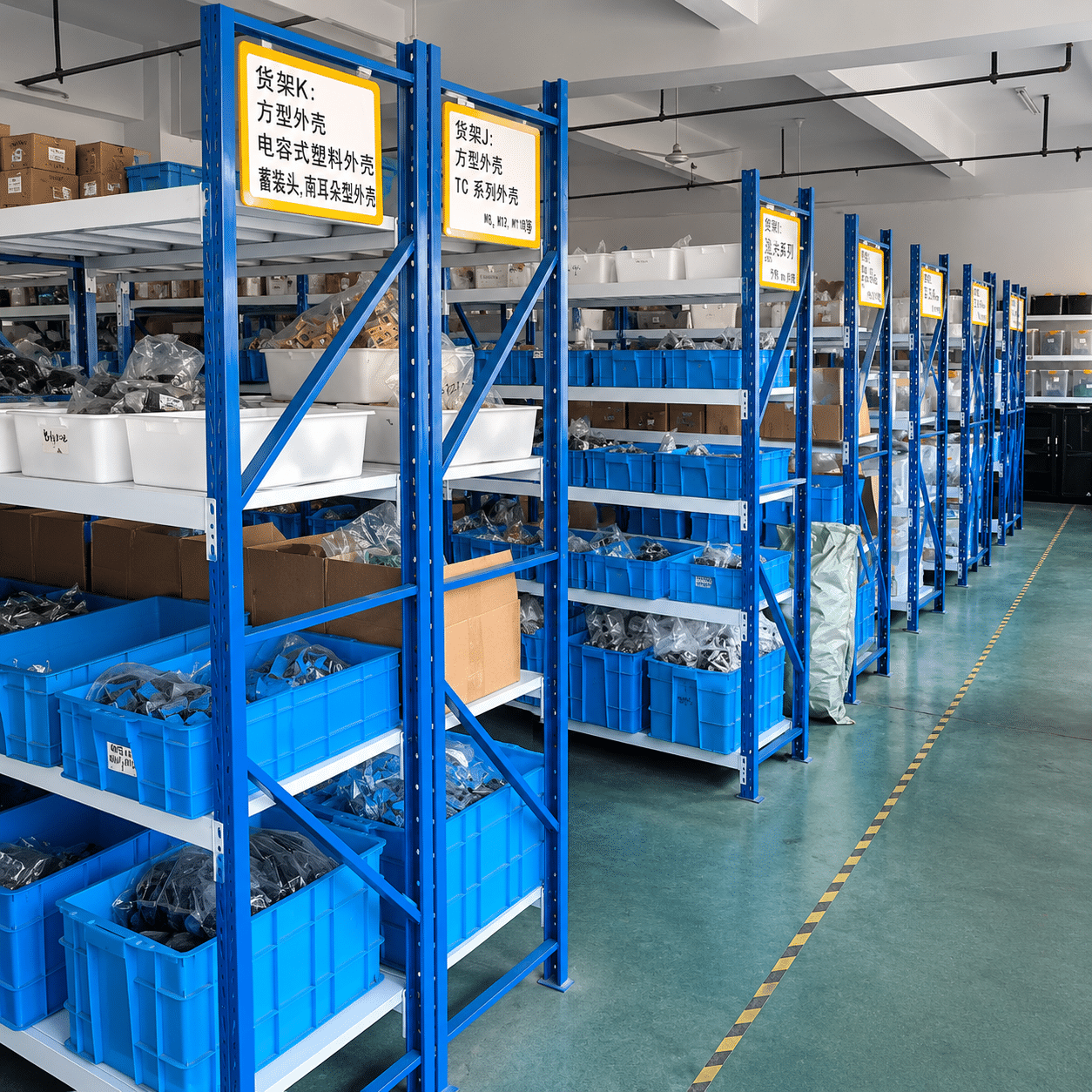
High-temperature Proximity Sensors for Hot Industrial Zones.
XSZ high-temperature proximity sensors help detect metal targets near ovens, dryers, molds, heating equipment and harsh production lines where ordinary sensors can drift, fail or age quickly under heat.
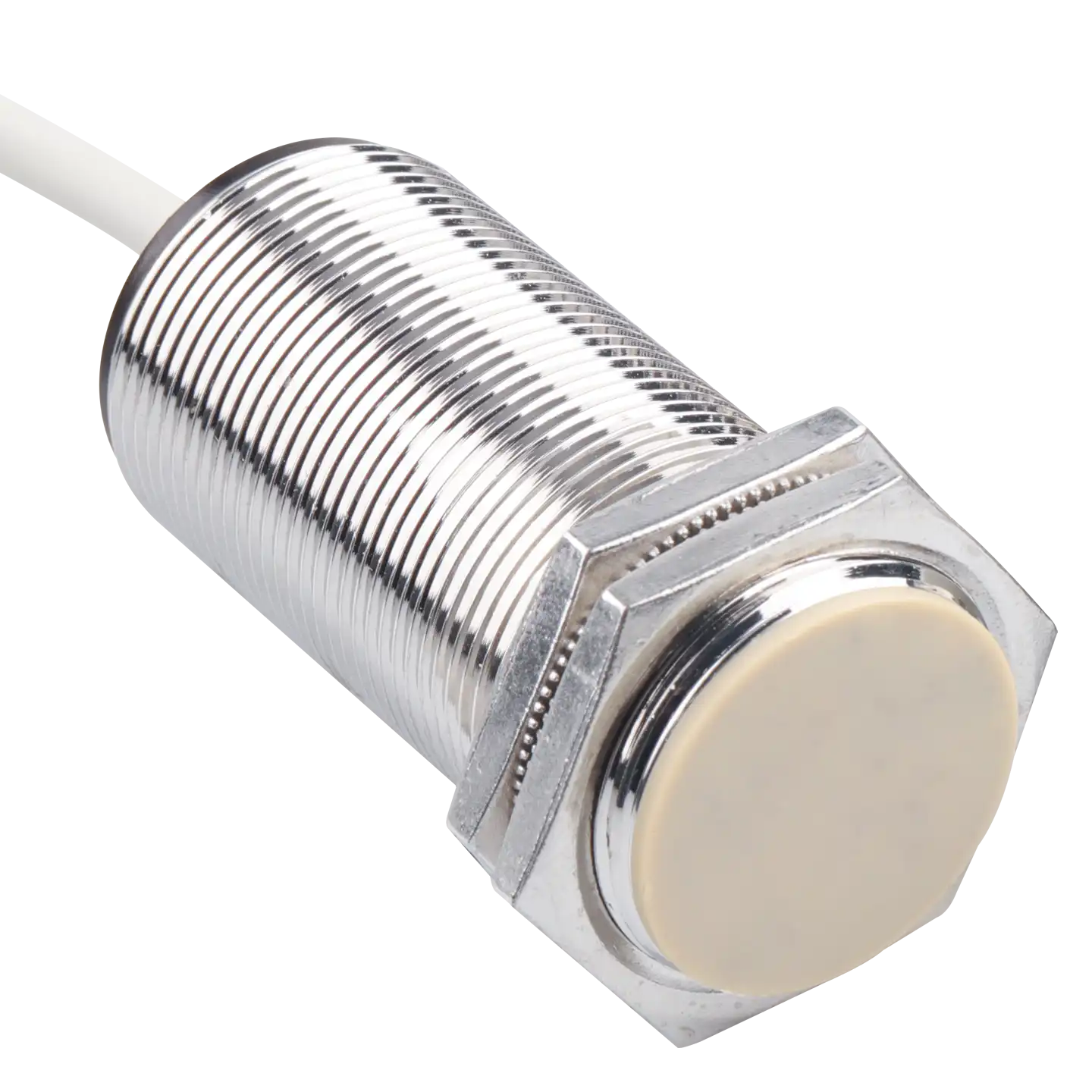
- Metal target detection in high-heat environments
- Support for heat-resistant cable and rugged housings
- NPN / PNP, NO / NC, cable and connector options
Ordinary proximity sensors may become unstable when the heat is part of the process
In hot production zones, the problem is not only whether a sensor can switch once. Buyers need reliable detection after hours of heating, repeated temperature cycles, dust, oil, vibration and limited installation space.
Reduce heat-related signal drift
High temperature can change sensing stability and cause intermittent output. Correct model selection keeps the working gap within a reliable margin.
Keep the sensor away from direct damage
The final choice depends on heat source distance, target position and mounting bracket. A small change in placement can improve service life.
Match wiring to the hot zone
Cable type, connector position, output logic and cable length should be confirmed together so the complete installation works safely.
Designed for metal detection near ovens, dryers, molds and heating equipment
High-temperature proximity sensors are selected when a standard inductive sensor is too close to the heat source or when repeated thermal cycles shorten sensor life.
- Drying ovens, curing lines and heat treatment equipment
- Plastic injection molding machines and mold-position detection
- Food packaging lines with hot sealing or thermal processing areas
- Metallurgy, glass, ceramic, kiln and furnace-adjacent equipment
- Conveyors and fixtures exposed to hot parts, dust, oil or vibration
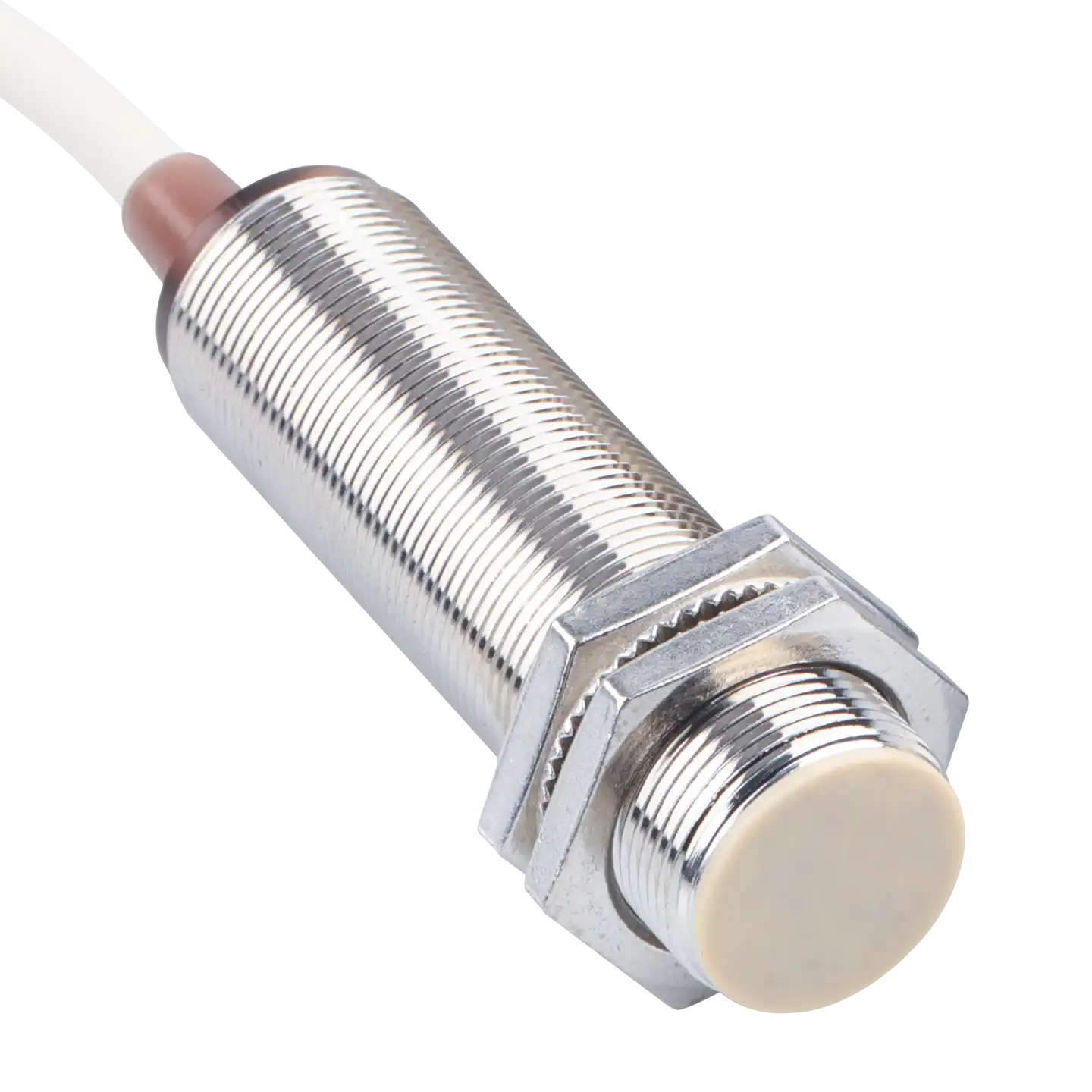
Choose by real temperature, sensing gap and installation position
For high-temperature proximity sensors, the most important details are normal operating temperature, peak temperature, heat duration, target material and how close the sensor body is to the heat source.
| Selection Point | Customer Problem | Recommended Check | Information to Provide |
|---|---|---|---|
| Temperature level | Sensor works at first but fails after long heating | Confirm normal and peak temperature separately | Working temperature, peak temperature and heating duration |
| Heat source distance | Sensor body receives more heat than expected | Measure distance from sensor head and cable exit to the heat source | Installation photo, bracket drawing and available distance |
| Target condition | Hot or small metal targets reduce practical sensing margin | Confirm target size, material, movement and required sensing gap | Target material, size, speed and real working distance |
| Cable and connector | Cable jacket ages faster than the sensor body | Select cable route and connector position away from direct heat | Cable length, connector type and cable exposure area |
| Controller input | Wrong output logic causes wiring or commissioning delays | Match NPN/PNP, NO/NC and voltage before sampling | PLC input type, voltage, output logic and wiring diagram |
When to choose high-temperature instead of a standard proximity sensor
A standard inductive sensor may be enough if the sensor is far from the hot area. Choose a high-temperature option when heat exposure is continuous, close to the sensing face, or affects the cable and housing.
Standard Proximity Sensor
- Suitable for normal ambient temperature areas
- Best when the sensor is mounted away from heat sources
- Lower cost for general automation machines
- May drift or age quickly near ovens, molds or hot parts
High-temperature Proximity Sensor
- Selected for hot industrial zones and repeated thermal cycles
- Better fit for heat-adjacent metal detection applications
- Can be matched with heat-resistant cable and mounting design
- Reduces replacement frequency in harsh production environments
Prevent unstable signals, cable aging and repeated sensor replacement
Most high-temperature sensor problems come from underestimating the real heat exposure. Confirm the operating details before ordering to avoid sample changes and production downtime.
Only checking ambient temperature
The sensor head, cable exit and connector may experience different temperatures. Hot air flow, radiant heat and contact with hot parts all matter.
Confirm normal and peak heat
Share both stable operating temperature and short-term peak temperature so XSZ can recommend the correct series and cable route.
More reliable service life
Correct selection helps reduce thermal drift, false signals, cable cracking, connector damage and unplanned replacement.
High-temperature sensor options for OEM machines and replacement projects
XSZ supports model selection around your target, heat zone and machine input. Available options depend on the final selected series and application condition.
Housing and thread size
Select cylindrical housing, thread size and installation length based on available mounting space and target distance.
Output and wiring
Confirm NPN or PNP, normally open or normally closed, voltage, cable length and connector requirement before sample production.
Heat-resistant installation
Choose cable route, bracket design and sensor position to reduce direct exposure to radiant heat, hot air and moving hot parts.
Stable high-temperature detection depends on heat, target and mounting margin
Choose the sensor around the actual production environment, not only the rated sensing distance. Heat level, target size and cable exposure all affect long-term reliability.
Temperature profile
Continuous heat, short peak heat and radiant heat should be checked separately because they affect the sensor body and cable differently.
Target size and distance
Confirm the smallest metal target, real working gap and movement tolerance so the recommended model has enough sensing margin.
Cable exposure
Many failures start at the cable jacket or connector. Cable length, routing and protective sleeve should be considered together.
| What to Confirm | Why It Matters | What to Send XSZ |
|---|---|---|
| Heat condition | Thermal drift and aging depend on continuous and peak exposure | Normal temperature, peak temperature, heat duration and heat source type |
| Target details | Material and size affect the practical sensing distance | Metal type, size, shape, drawing or photo |
| Mounting position | Distance from heat source affects sensor life | Installation photo, bracket design and available mounting space |
| Wiring requirement | The sensor output must match the machine input | NPN/PNP, NO/NC, voltage, cable length and connector type |
Send the working temperature and installation photo for faster model matching
XSZ can help compare the heat condition, target size, sensing gap and wiring requirement before you order samples or replace sensors on an existing machine.
Share heat data
Normal temperature, peak temperature, heating time and distance from heat source.
Confirm target
Metal material, target size, working gap, movement speed and machine tolerance.
Match wiring
Voltage, NPN/PNP, NO/NC, cable length, connector and OEM requirements.
Manufacturer support for harsh-condition sensor projects
For distributors, machine builders and automation integrators, XSZ supports high-temperature proximity sensor selection, OEM presentation and stable repeat orders.
Compare nearby proximity sensor categories before ordering
If your application is not continuously exposed to heat, another proximity sensor type may be more cost-effective. Compare by target material, distance and working environment.