Zhejiang Xinsenzheng Automation Co., Ltd.

Industrial Sensor Manufacturer OEM & Application Support Factory-direct Supply
Long-distance Proximity Sensors

Long-distance Proximity Sensors for More Installation Margin.

XSZ long-distance proximity sensors help detect metal targets when standard sensing distance is not enough. They are used for larger targets, difficult mounting positions, vibration-heavy machines and equipment that needs more detection clearance.
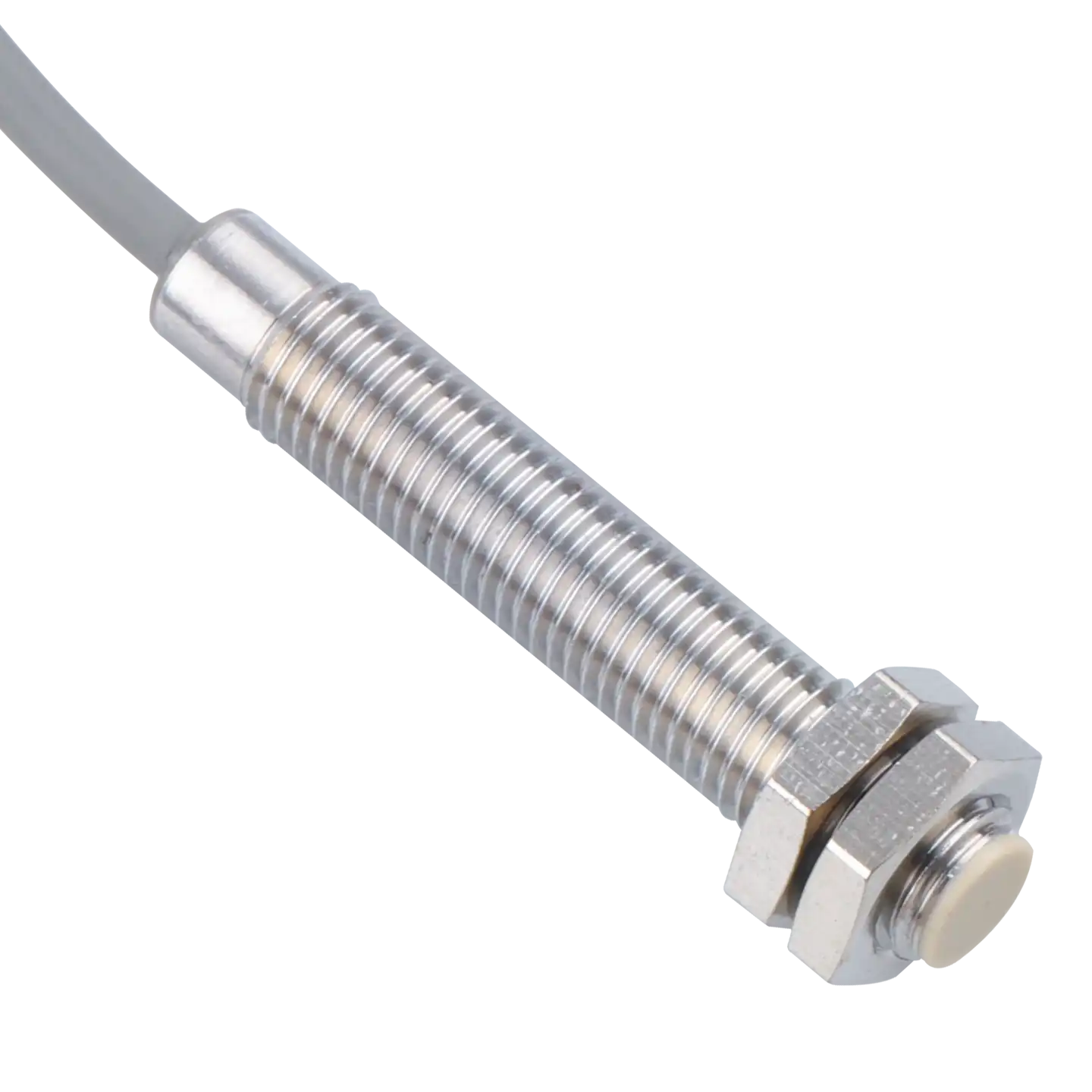
  • Extended sensing distance for metal targets
  • M12 / M18 / M30 and custom housing options
  • NPN / PNP, NO / NC, cable and connector support
XSZ long-distance proximity sensor for extended metal detection
Extended rangeMore clearance for difficult mounting and moving metal targets
M18Common range fit
M30Larger targets
OEMCustom wiring
Direct ManufacturerFactory support for standard and OEM long-distance sensors
More Sensing MarginMatch target size, mounting gap and machine tolerance
Industrial OutputsNPN, PNP, NO, NC, cable and connector options
OEM/ODM ReadyLogo, label, wiring diagram, cable length and packaging
Why Long-distance Sensors

Get stable metal detection when the target cannot come close enough

Standard proximity sensors work well when the target can approach the sensing face closely. Long-distance models provide more installation flexibility when the machine structure, bracket, guard or moving part requires a larger gap.

More Clearance

Detect metal targets from farther away when brackets, guards, machine frames or moving parts prevent close installation.

More Tolerance Margin

Improve detection reliability when vibration, target movement, part tolerance or mechanical play changes the real working gap.

Industrial Durability

Select suitable housing, sealing, output circuit and cable for factory environments with oil, dust, vibration and electrical noise.

Application Range

Use long-distance sensors where standard proximity sensors have too little margin

Long-distance proximity sensors are practical for larger metal targets, heavy equipment, conveyors, lift systems, material handling and installations where the sensor cannot be mounted close to the target.

  • Large metal target detection on conveyors, transfer lines and material handling systems
  • Position confirmation where brackets or guards create a larger sensing gap
  • Machine tools, cylinders, slides and moving metal structures with vibration
  • Forklift, elevator, logistics and heavy equipment position feedback
  • Replacement projects where the original sensor distance is not enough
  • OEM equipment supply with matched cable, connector, wiring and label
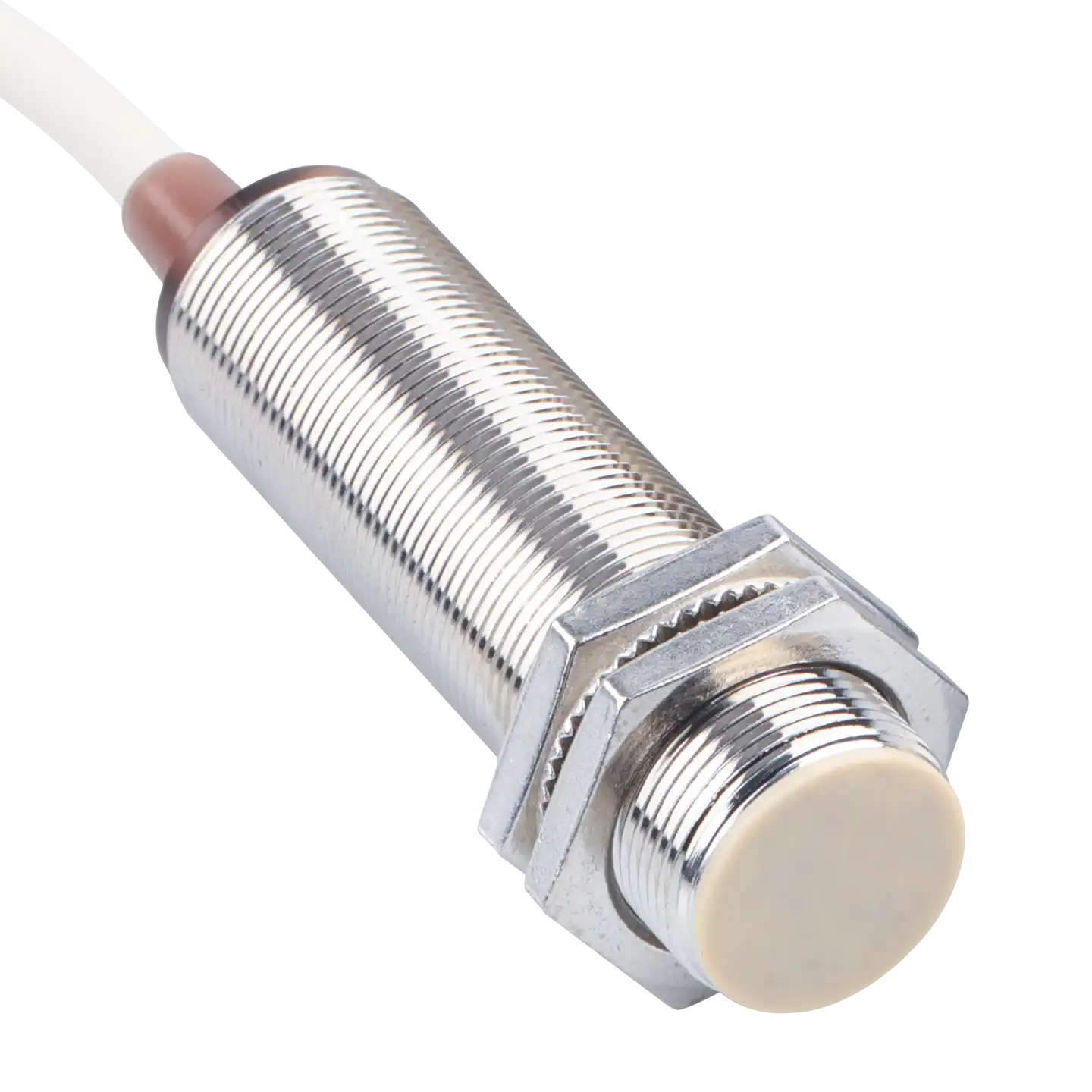
Long-distance proximity sensors for industrial metal target detection
Range Selection Guide

Match sensing distance to target size and mounting conditions

Longer rated distance does not automatically mean better performance. The reliable working distance depends on target material, target size, mounting style and surrounding metal.

Selection FactorWhy It MattersWhat to ConfirmBuyer Note
Target sizeLarger targets are easier to detect at longer distanceLength, width, thickness and shapeSmall targets may need shorter working distance
Target materialSteel, aluminum and stainless steel can perform differentlyMetal type and surface conditionRated distance is usually based on a standard target
Working gapThe real gap should stay below the rated distance with marginMinimum and maximum distance during operationLeave margin for vibration and mechanical tolerance
Mounting styleFlush and non-flush designs need different clearanceBracket, surrounding metal and installation depthWrong mounting can reduce the practical sensing range
Output wiringPLC input must match the sensor outputNPN/PNP, NO/NC, voltage, cable or connectorConfirm wiring before sample or batch order
Standard vs Long-distance

Choose long-distance sensing when installation margin matters

Standard sensors are suitable when the target can come close to the sensing face. Long-distance sensors are better when the machine layout requires a larger gap or more tolerance.

Standard Proximity Sensor

  • Good for close-range metal detection
  • Usually lower cost and compact installation
  • Needs the target to come close enough
  • Less margin for vibration, tolerance and bracket offset
VS

Long-distance Proximity Sensor

  • Provides more sensing distance for larger metal targets
  • Useful when close mounting is not possible
  • Helps reserve margin for movement and vibration
  • Requires correct target size and installation clearance
Avoid Range Problems

Confirm real machine conditions before choosing the final model

Long-distance sensor problems often come from small targets, surrounding metal, wrong mounting style or using the rated distance as the exact working limit. Confirming these points early helps prevent missed signals and false triggering.

Is the target large enough?

Extended range needs enough metal area. A small target may not reach the full rated distance even if the sensor is a long-distance model.

Is there surrounding metal?

Nearby brackets, frames or plates can affect the sensing field. Flush and non-flush sensors require different installation clearance.

Is there enough sensing margin?

Do not use the rated distance as the exact machine gap. Leave margin for vibration, target angle, bracket movement and production tolerance.

Configuration Options

Build the long-distance sensor around your machine layout

XSZ supports long-distance proximity sensor configurations for machine builders, automation integrators, maintenance teams and OEM projects.

Mechanical Fit

Housing and Mounting

Choose housing size, body length, flush or non-flush design and bracket style based on available installation space.

  • M12, M18, M30 and custom options
  • Flush or non-flush by model
  • Bracket and installation depth support
OEM Fit

Cable and Branding

Customize details for OEM equipment, replacement projects or distributor product lines.

  • Cable length and connector type
  • Private label and wiring diagram
  • Packaging and batch supply support
Selection Factors

Stable long-distance detection depends on target, mounting and margin

Choose the sensor around the real working gap and target condition, not only the maximum rated sensing distance. Share the application details so XSZ can recommend a model with enough practical margin.

Target size and material

Large steel targets are easier to detect at longer distance. Aluminum, stainless steel or small targets may need shorter working gaps.

Real working distance

Confirm the closest and farthest target positions during production, then leave margin for movement, tolerance and vibration.

Controller and wiring

Output type, voltage, cable length and connector must match the PLC or controller input before sample testing.

What to ConfirmWhy It MattersWhat to Send XSZ
Target detailsTarget material and size affect actual sensing distanceMetal type, size, shape, drawing or photo
Working gapMachine gap should be below rated distance with marginMinimum distance, maximum distance and tolerance range
Mounting areaSurrounding metal and brackets can affect the sensing fieldMounting photo, bracket design and available thread size
Output logicSensor signal must match the machine inputNPN/PNP, NO/NC, voltage, cable or connector requirement
Model Selection Support

Send your target and distance requirements for model selection

Tell us the metal target material, target size, working gap, mounting space, output type and environment. XSZ engineers can help narrow down the right long-distance proximity sensor for your machine.

01

Share Target

Send metal material, target size, shape, drawing and movement direction.

02

Confirm Gap

Provide minimum distance, maximum distance, bracket space and surrounding metal.

03

Get Model

Receive suitable series, output option, sample suggestion and OEM configuration details.

XSZ long-distance proximity sensor factory and OEM customization support
Factory OEM Support

XSZ supports long-distance sensor selection, sampling and OEM supply

Work with a sensor manufacturer for application review, range selection, sample confirmation, private label, cable and connector customization, batch supply and distributor cooperation.

OEMLogo, label, wiring diagram and packaging
R&DApplication-based range recommendation
QCBatch inspection and aging checks
GlobalExport-ready communication and supply
FAQ

Long-distance Proximity Sensor FAQ

What is a long-distance proximity sensor used for?
A long-distance proximity sensor is used when a standard proximity sensor does not provide enough sensing distance or installation margin. It is commonly used for larger metal targets, difficult mounting positions and machines with vibration or mechanical tolerance.
Does a long-distance sensor always detect farther in real machines?
Not always. Actual sensing distance depends on target material, target size, mounting style, surrounding metal and working environment. The rated distance should be used with practical margin, not as the exact machine gap.
How do I choose the correct sensing distance?
Confirm the real minimum and maximum working gap, target material, target size and installation space. XSZ can then recommend a model with enough margin for vibration and tolerance.
What is the difference between standard and long-distance proximity sensors?
Standard sensors are suitable for close-range detection. Long-distance sensors provide more sensing margin when the target cannot approach the sensor closely or when the machine needs more installation clearance.
Can XSZ customize long-distance proximity sensors for OEM equipment?
Yes. XSZ supports OEM logo, cable length, connector type, label, wiring diagram, packaging, output logic and application-based model recommendation.
Select the fields to be shown. Others will be hidden. Drag and drop to rearrange the order.
  • Image
  • SKU
  • Rating
  • Price
  • Stock
  • Availability
  • Add to cart
  • Description
  • Content
  • Weight
  • Dimensions
  • Additional information
Click outside to hide the comparison bar
Compare