Waterproof Light Curtains for Wet Machine Guarding.
XSZ waterproof light curtains are designed for machine protection in humid, sprayed or cleaned production areas where standard light curtains may suffer from water ingress, unstable signals or shorter service life.
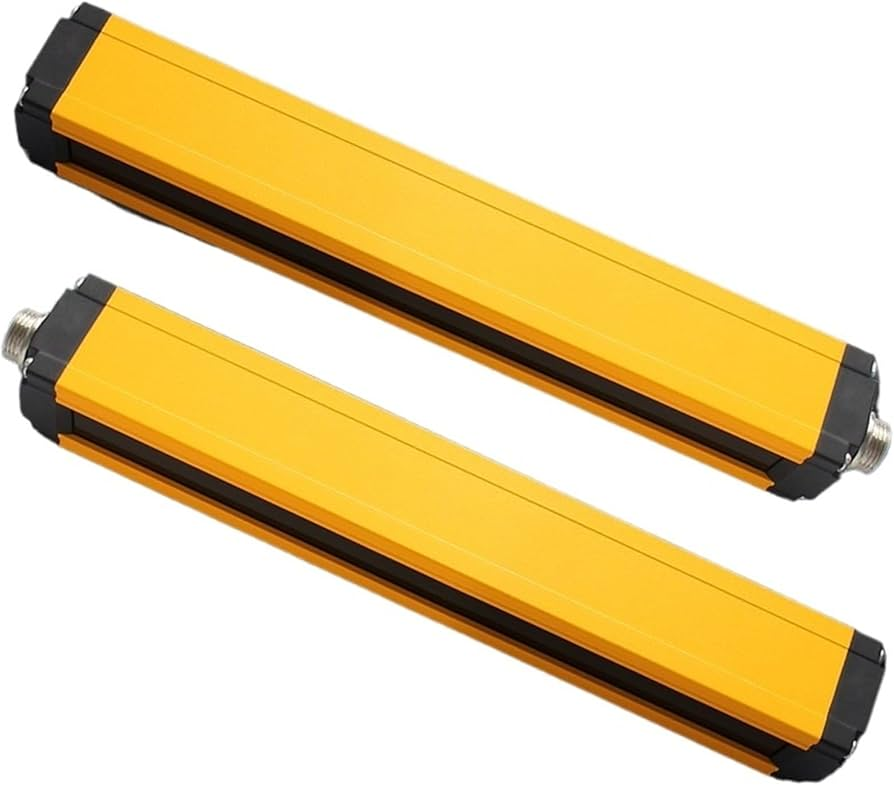
- For water spray, cleaning zones, packaging lines and wet automation equipment
- Selection by protection height, beam spacing, detection distance and sealing demand
- Factory support for cable sealing, connector choice, OEM label and repeat orders
Use waterproof light curtains when water can affect safety stability
In wet production areas, model selection is not only about detection distance. The installation must also consider sealing, cable outlet, cleaning routine and the way water reaches the light curtain housing.
Reduce water-related failure
Better suited for areas with spray, moisture or cleaning where water may enter standard housings or cable exits.
Keep the protected field stable
Correct protection height, beam spacing and alignment help reduce nuisance stops caused by vibration, water drops and poor installation.
Easier machine integration
XSZ helps match output logic, controller wiring, cable route and mounting layout before the customer places a repeat order.
For machine openings exposed to moisture, spray or regular cleaning
Waterproof light curtains are selected when the guarded point is close to wet materials, cleaning water, coolant, mist or humid operating conditions.
- Food and beverage packaging machines with cleaning routines
- Bottle, filling, washing, labeling and conveyor access points
- Wet material handling, plastic processing and surface treatment lines
- Machines exposed to coolant, mist, water splash or humid workshop air
- Safety access points where standard housings may not provide enough sealing margin
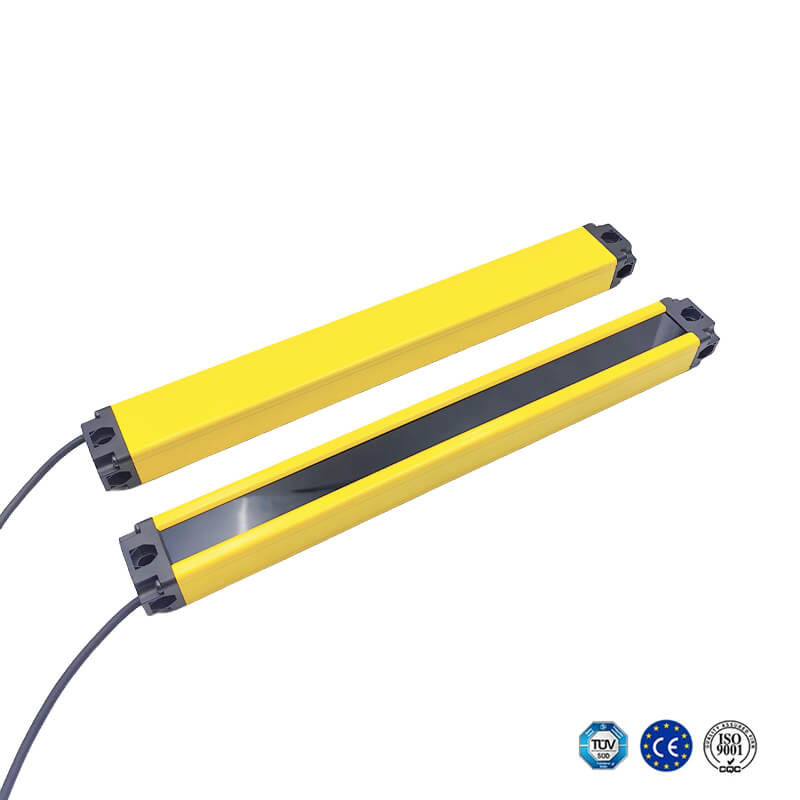
Choose by water exposure, opening size and control interface
For waterproof light curtains, confirm the environment first, then select the optical and electrical parameters. This prevents choosing a model that works in dry tests but fails in real production.
| Selection Point | Customer Problem | Recommended Check | Information to Provide |
|---|---|---|---|
| Water exposure | Standard curtain fails after spray or cleaning | Check splash direction, cleaning frequency and mounting position | Photos or video of the wet area and cleaning method |
| Protection height | The protected field does not cover the full machine opening | Measure the vertical access area | Opening height and required protected height |
| Beam spacing | Resolution is too wide or too sensitive for the task | Confirm hand, arm or body protection | Protection object and risk point description |
| Detection distance | Emitter and receiver distance causes weak signal or poor alignment | Measure the distance between mounting columns | Required sensing distance and mounting drawing |
| Cable and connector | Water enters through cable outlet or connector area | Confirm cable route, bending point and connector position | Cable length, outlet direction and controller location |
| Output interface | Light curtain does not match the machine controller | Confirm voltage, output type and safety relay needs | PLC or controller input, wiring diagram and logic requirement |
Waterproof light curtains vs standard light curtains
Both series protect machine openings, but waterproof models are selected when the environment adds sealing risk. This comparison helps customers decide before requesting a model.
Standard light curtains
- Best for dry workshop areas and common machine guarding
- Suitable when water spray and cleaning are not part of daily operation
- Lower environment demand and simpler cable routing
- May not be the best choice beside washdown or splash zones
Waterproof light curtains
- Better fit for wet, humid or cleaned production areas
- Focus on sealing, cable outlet and installation position
- Recommended when water may reach the housing or connector
- Useful for food, beverage, washing, filling and wet conveying equipment
Common causes of unstable waterproof light curtain operation
Most problems come from choosing by only price or protection height. Wet areas need a full check of sealing path, alignment, cable routing and machine stopping requirements.
Ignoring water direction
A model can fail if spray hits the connector, cable exit or sealing edge instead of only the front sensing area.
Wrong sensing distance
Too much distance, vibration or weak alignment can cause intermittent stops, especially when water droplets cross the beam path.
Mismatched wiring
Output logic, power supply, safety relay and cable length must match the machine control system before installation.
Build the waterproof light curtain around your machine
Share your machine drawing, wet area photos and controller information. XSZ can help confirm a practical configuration for sample testing or repeat supply.
Height and beam spacing
Select the protected height and resolution according to the access opening and required protection object.
Waterproof installation
Review splash direction, cable outlet, bracket position and cleaning routine before confirming the series.
Output and wiring
Match voltage, output type, safety relay, cable length and connector with the machine control cabinet.
What to confirm before buying a waterproof light curtain
These details help avoid slow quotation rounds and reduce the risk of receiving a model that cannot be installed on the machine.
- Machine type, guarded opening size and hazard point position
- Water source, spray direction, cleaning frequency and chemical exposure if any
- Required protection height, beam spacing and emitter-to-receiver distance
- Mounting space, bracket direction and cable outlet protection
- Power supply, output logic, safety relay or PLC input requirement
| Need | Better Choice | Risk if Ignored |
|---|---|---|
| Frequent cleaning | Waterproof series with protected cable route | Water ingress and unstable operation |
| Long opening | Correct detection distance and alignment support | Weak beam signal or nuisance stop |
| Hand protection | Smaller beam spacing based on risk assessment | Insufficient protection resolution |
| OEM machine build | Confirmed wiring, label and packaging before bulk order | Rework during final assembly |
Send the wet area details before choosing the final model
XSZ can review your application and recommend a waterproof light curtain configuration based on the actual guarding task, not only the product name.
Share the machine
Send opening size, machine photo, wet area photo and detection distance.
Confirm the interface
Provide voltage, output logic, controller input and cable route requirement.
Test before bulk
Use samples to confirm alignment, sealing position and machine stop behavior.
Manufacturer support for waterproof light curtain projects
For machine builders, automation integrators and distributors, XSZ supports waterproof light curtain selection, OEM presentation and repeat order supply for wet-area machine guarding projects.
Compare other safety and optical sensor options
If your machine is dry, compact or needs a different sensing structure, these pages may help you choose faster.