Zhejiang Xinsenzheng Automation Co., Ltd.

Industrial Sensor Manufacturer OEM & Application Support Factory-direct Supply
Magnetic Switches

Magnetic Switches for Cylinder Position Detection.

XSZ magnetic switches provide non-contact position feedback for pneumatic cylinders, grippers, actuators and automation equipment. Choose by cylinder groove, magnet strength, output type, cable connection and installation environment.
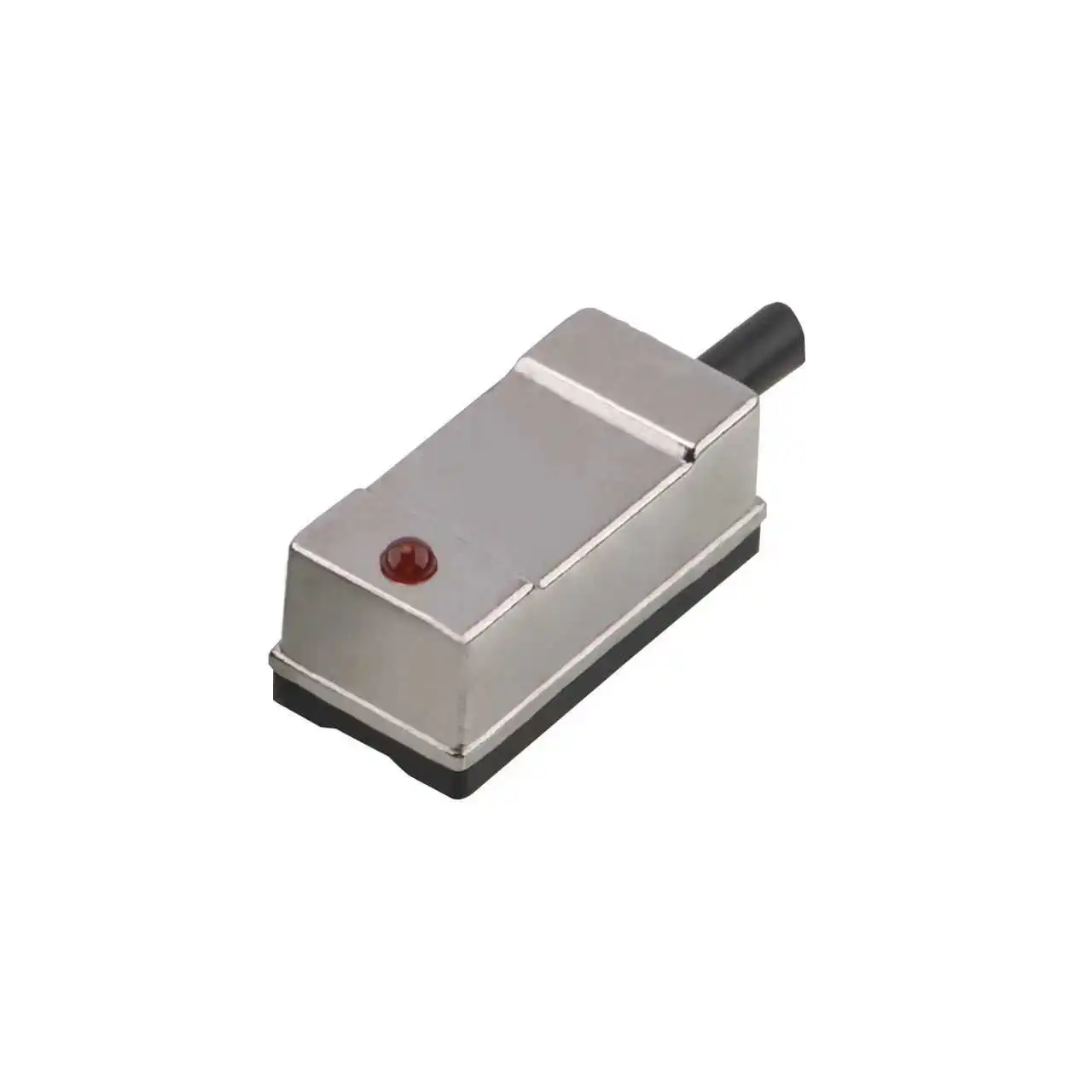
  • Reed and Hall-effect options for cylinder sensing and motion feedback
  • Selection support for T-slot, C-slot, round cylinder and custom mounting
  • OEM support for cable length, connector, label, wiring diagram and packaging
XSZ magnetic switch for pneumatic cylinder position detection
Cylinder feedbackNon-contact position sensing for automation equipment
Reed2-wire option
Hall3-wire option
OEMProject supply
Direct ManufacturerFactory support for cylinder sensors and OEM switch projects
Application FitSelection by slot type, magnet position, output and wiring
Industrial IntegrationCable, connector, PLC input and machine layout guidance
OEM/ODM ReadyLogo, label, cable length, connector and packaging support
Why Magnetic Switches

Use magnetic switches when machines need repeatable position feedback

Magnetic switches detect the magnet inside a pneumatic cylinder or moving actuator without mechanical contact. They help controllers confirm extend, retract, clamp, release and intermediate positions.

Non-contact detection

No mechanical lever is required, so the switch can detect cylinder piston position through the cylinder wall using the built-in magnet.

Clear motion feedback

Use the signal to confirm cylinder end position, clamp state, stroke completion or machine sequence before the next action starts.

Easy controller integration

Choose reed, Hall-effect, PNP, NPN, 2-wire or 3-wire versions according to the PLC input and machine wiring.

Application Range

For pneumatic cylinders, grippers, actuators and compact automation modules

Magnetic switches are used anywhere a controller needs to know whether a cylinder or actuator has reached the expected position.

  • Pneumatic cylinder extend and retract position detection
  • Robotic grippers, clamping fixtures and pick-and-place equipment
  • Packaging machines, assembly lines and material handling systems
  • Compact automation modules where space is limited around the cylinder
  • OEM equipment requiring repeatable cable, connector and label configuration
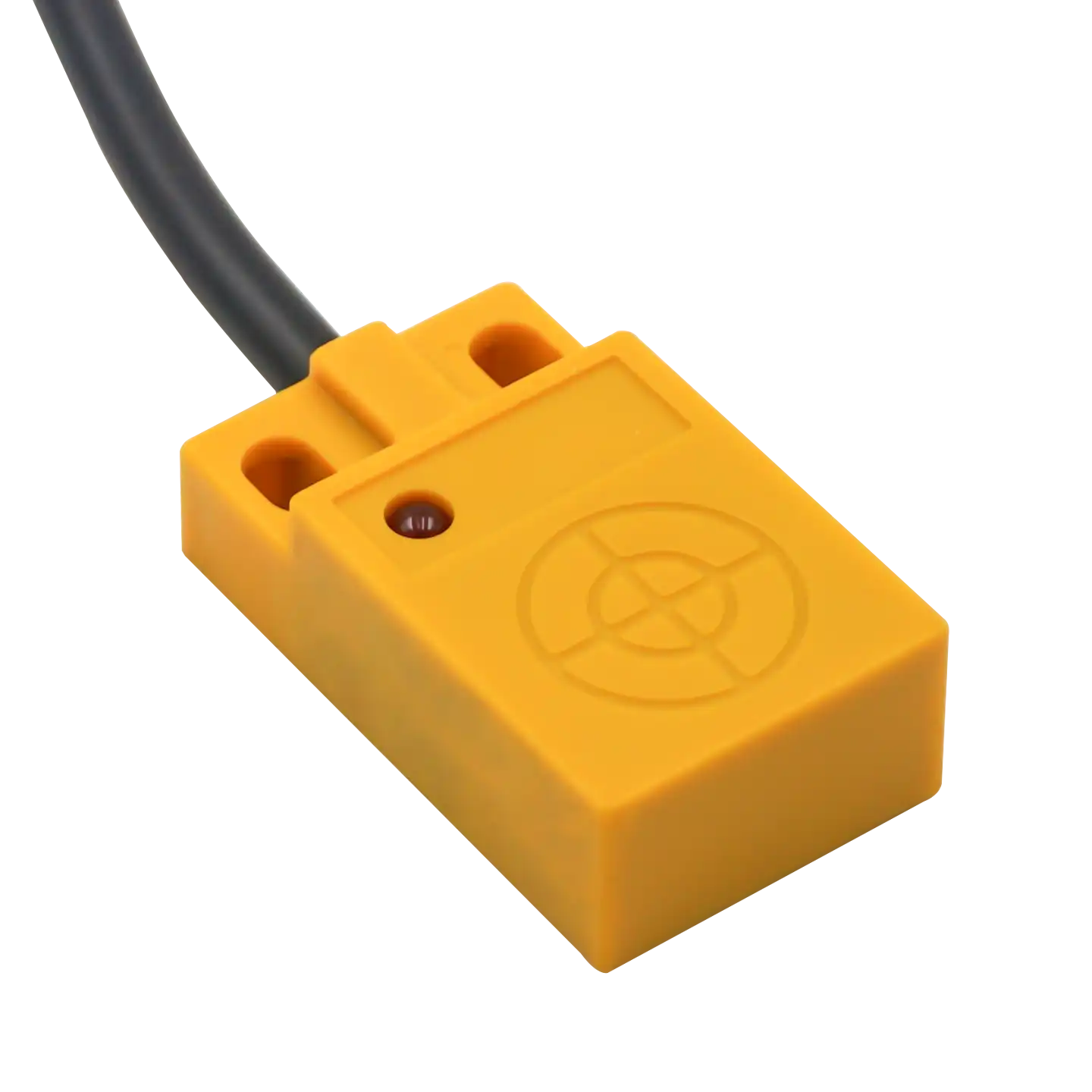
XSZ magnetic switch for pneumatic cylinder and automation equipment
Selection Guide

Choose by cylinder groove, output type and wiring condition

For magnetic switches, the correct model depends on the cylinder structure and electrical interface. A switch with the wrong slot size or output logic may not install or may not communicate with the controller.

Selection PointCustomer ProblemRecommended CheckInformation to Provide
Cylinder grooveSwitch body does not fit the cylinder slotConfirm T-slot, C-slot, round cylinder or bracket mountingCylinder brand, model and groove photo
Switch typeSignal is unstable or load is not suitableChoose reed or Hall-effect based on load and controller inputPLC input type, voltage and load current
Output logicPLC cannot read the signal correctlyConfirm PNP, NPN, 2-wire, 3-wire, NO or NC requirementWiring diagram and controller input specification
Magnet strengthSwitch misses the piston position or triggers too earlyCheck cylinder magnet and mounting distanceCylinder bore size, piston magnet type and target position
Cable connectionCable is too short, too exposed or incompatible with cabinet layoutConfirm cable length, connector and outlet directionCable length, M8/M12 connector need and routing photo
EnvironmentOil, water, dust or vibration causes failureCheck protection rating, mounting tightness and cable protectionWorking environment, vibration level and cleaning condition
Comparison

Reed magnetic switches vs Hall-effect magnetic switches

The right choice depends on load, wiring, switching frequency and controller input. Confirm these details before replacing an existing switch.

Reed magnetic switches

  • Common for simple cylinder end-position detection
  • Often used in 2-wire circuits and general automation feedback
  • Suitable when the load and switching frequency match the reed design
  • Need attention to surge, load current and contact protection
VS

Hall-effect magnetic switches

  • Solid-state sensing option for stable electronic signal output
  • Common for 3-wire PNP or NPN controller input requirements
  • Useful where switching frequency or electronic interface matters
  • Need correct power supply polarity and output logic selection
Avoid Wrong Selection

Common causes of magnetic switch failure or false signal

Most magnetic switch problems come from wrong groove fit, output mismatch, weak magnet position, poor cable protection or nearby magnetic interference.

Wrong slot or bracket

A switch that looks similar may still be too wide, too loose or too short for the cylinder groove.

Output mismatch

PNP, NPN, 2-wire, 3-wire, NO and NC signals must match the PLC input and wiring method.

Weak sensing position

If the piston magnet is weak, offset or too far from the switch, the signal may flicker or trigger at the wrong point.

Configuration Options

Configure magnetic switches around your cylinder and controller

Send the cylinder model, slot photo and wiring diagram. XSZ can help match the switch structure, electrical output and cable configuration.

Electrical

Output and wiring

Choose reed, Hall-effect, PNP, NPN, NO, NC, 2-wire or 3-wire according to the controller input.

Connection

Cable and connector

Confirm cable length, M8/M12 connector, indicator light, outlet direction and cable protection.

Key Factors

What to confirm before buying magnetic switches

These details help avoid buying a switch that fits electrically but not mechanically, or fits the cylinder but gives the wrong signal to the PLC.

  • Cylinder brand, model, bore size and groove type
  • Required sensing position, stroke end and magnet strength
  • Reed or Hall-effect preference based on load and switching condition
  • PNP/NPN, NO/NC, 2-wire/3-wire and voltage requirement
  • Cable length, connector type, working environment and protection rating
NeedBetter ChoiceRisk if Ignored
Cylinder slot fitMatch switch body to groove and bracketLoose mounting or impossible installation
PLC input matchCorrect PNP/NPN or 2-wire/3-wire outputNo signal, wrong signal or damaged input
Frequent operationConfirm switch type and load conditionShorter service life or unstable feedback
OEM productionConfirmed cable, label and package before bulk orderAssembly delay and inconsistent repeat orders
Selection Support

Send the cylinder and wiring details before choosing the final model

XSZ can review the cylinder structure and controller input, then recommend a magnetic switch configuration for sample testing or repeat supply.

01

Share the cylinder

Send cylinder model, groove photo, stroke position and mounting space.

02

Confirm the signal

Provide voltage, PLC input, output logic, cable length and connector need.

03

Test before bulk

Use samples to confirm fit, signal stability, indicator visibility and cable route.

XSZ magnetic switch manufacturing and OEM support
Factory Support

Manufacturer support for magnetic switch projects

For machine builders, pneumatic component suppliers and automation distributors, XSZ supports magnetic switch selection, OEM presentation and repeat order supply.

OEMLogo, label and package support
CableLength, connector and outlet support
SampleApplication-based model selection
BulkStable supply for repeat projects
FAQ

Magnetic Switch FAQ

What is a magnetic switch used for?
A magnetic switch is used to detect the position of a magnet inside a pneumatic cylinder, actuator or moving machine part. It provides position feedback to a controller without mechanical contact.
How do I choose a magnetic switch for a cylinder?
Confirm the cylinder brand, groove type, switch mounting space, magnet position, voltage, output logic, cable length, connector type and working environment before selecting the model.
What is the difference between reed and Hall-effect magnetic switches?
Reed switches are commonly used for simple 2-wire cylinder position detection. Hall-effect switches are solid-state options often used with 3-wire PNP or NPN controller inputs.
Why does my magnetic switch signal flicker?
Signal flicker can be caused by weak magnet strength, wrong mounting position, vibration, loose installation, output mismatch, cable damage, electrical noise or nearby magnetic interference.
Can XSZ customize magnetic switches for OEM machines?
Yes. XSZ supports model selection, OEM logo, label, cable length, connector type, wiring diagram, packaging and repeat supply support depending on the selected magnetic switch series.
Select the fields to be shown. Others will be hidden. Drag and drop to rearrange the order.
  • Image
  • SKU
  • Rating
  • Price
  • Stock
  • Availability
  • Add to cart
  • Description
  • Content
  • Weight
  • Dimensions
  • Additional information
Click outside to hide the comparison bar
Compare