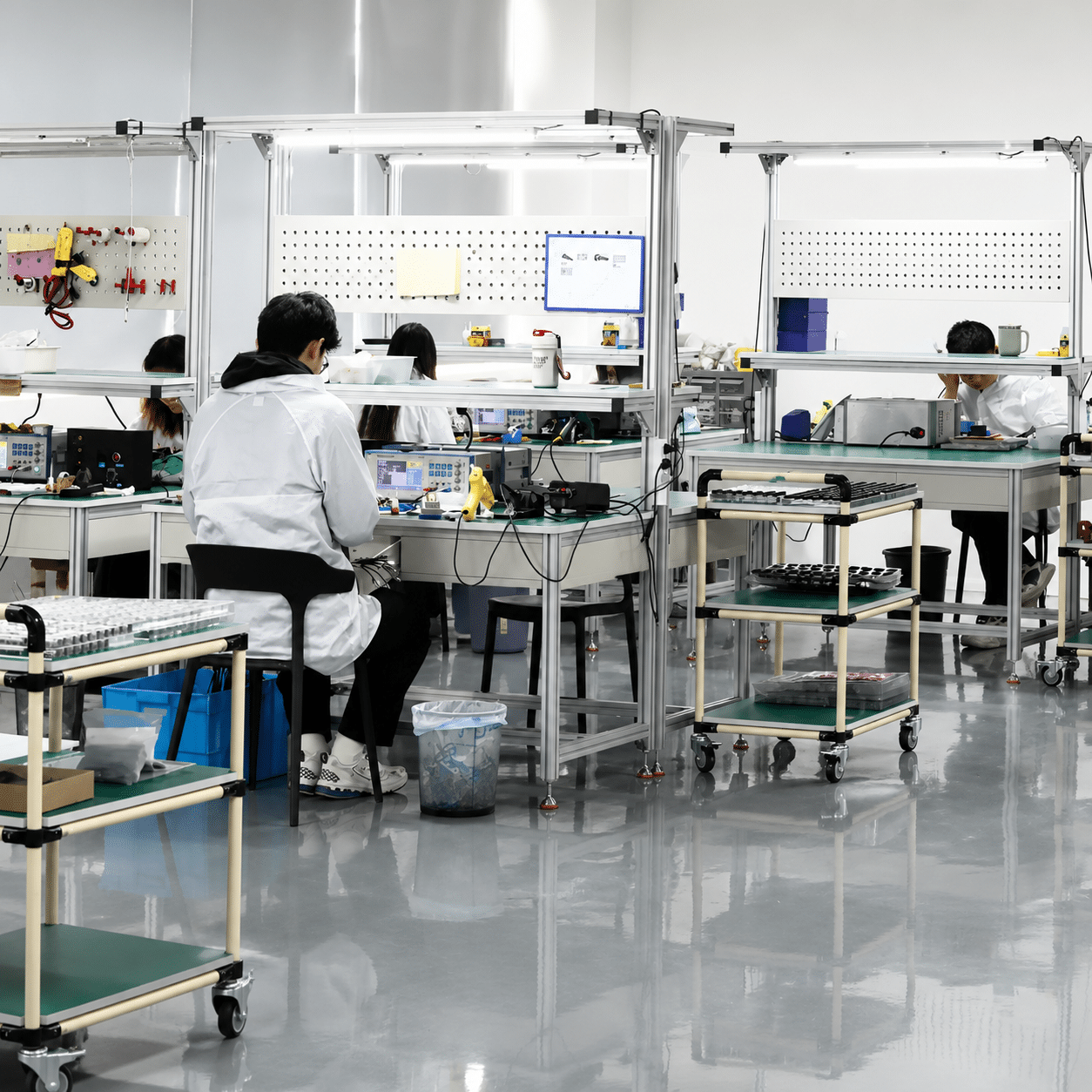
Optical Synchronous Light Curtains for Reliable Machine Guarding.
XSZ optical synchronous light curtains are designed for machine guarding applications where stable emitter-receiver synchronization, clean installation and reliable optical protection are important for repeat machine operation.
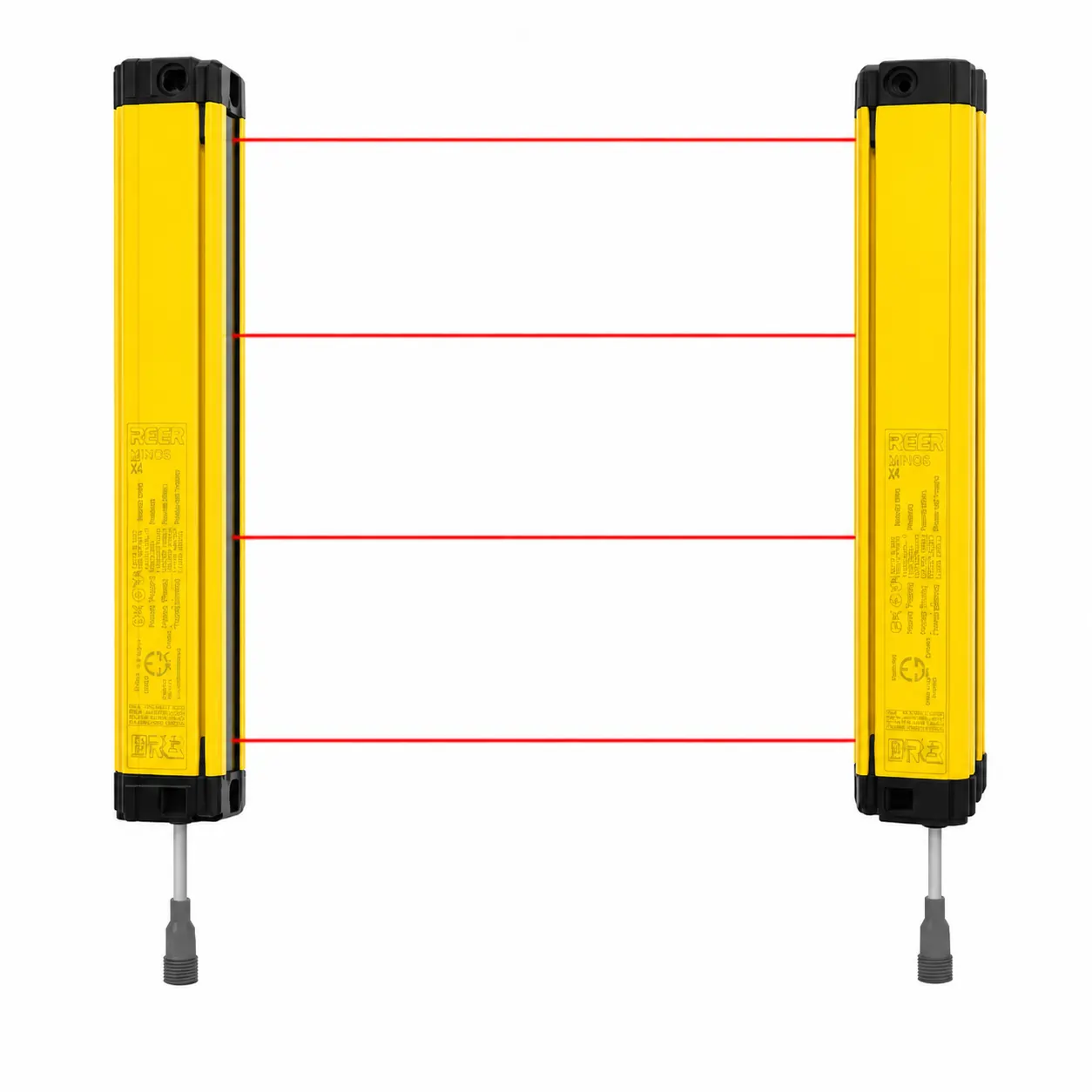
- For automation equipment, access guarding, loading stations and OEM machines
- Selection by protection height, beam spacing, detection distance and synchronization structure
- Factory support for wiring, controller interface, mounting layout and repeat supply
Use optical synchronous light curtains when stable beam coordination matters
In machine guarding, the light curtain must maintain reliable communication between emitter and receiver. Optical synchronous designs are selected when the application benefits from clean synchronization and stable protected field recognition.
Stable emitter-receiver pairing
Optical synchronization helps the emitter and receiver recognize the protected field consistently in suitable installation conditions.
Good for guarded openings
Use the correct protection height, beam spacing and distance so the safety field covers the real access path.
Cleaner machine integration
XSZ helps match wiring, mounting, output logic and controller interface before the final model is confirmed.
For machine openings that need dependable synchronized optical protection
Optical synchronous light curtains are used where machine operators need access protection and the installation should support stable beam recognition between emitter and receiver.
- Automation workstations, assembly machines and loading access points
- Packaging machines, conveying systems and guarded transfer windows
- Press, cutting, forming and material handling equipment
- OEM machines requiring consistent light curtain structure across repeat orders
- Applications where wiring, alignment and synchronization layout must be planned together
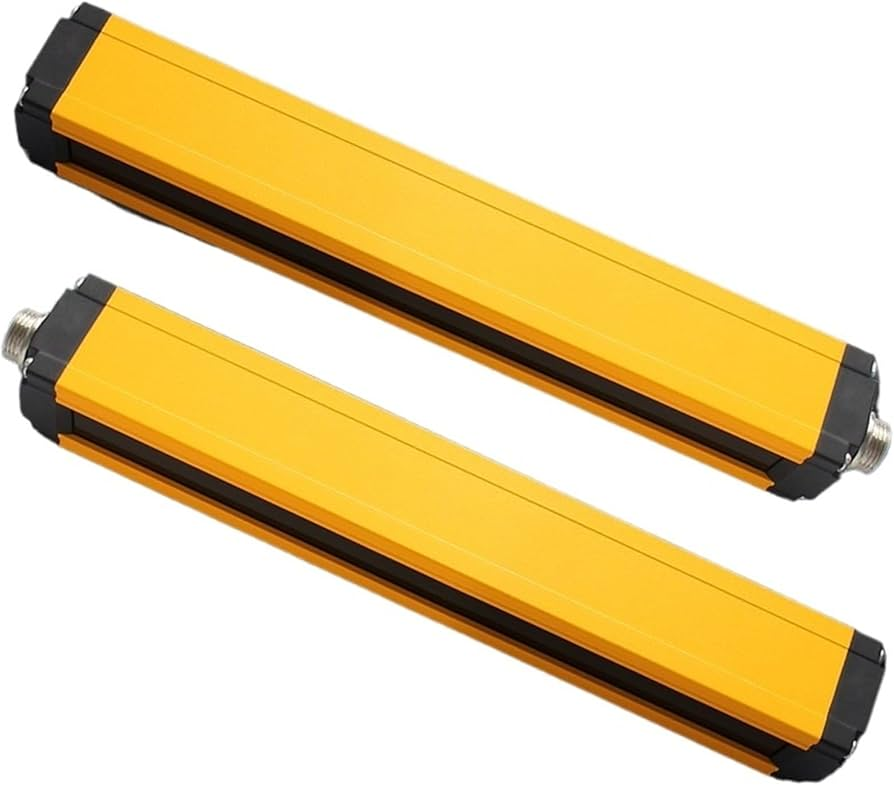
Choose by protected field, synchronization condition and controller interface
For optical synchronous light curtains, confirm the guarding task and installation geometry first. Then check beam spacing, detection distance, alignment, wiring and machine stop requirements.
| Selection Point | Customer Problem | Recommended Check | Information to Provide |
|---|---|---|---|
| Protected field | The safety field does not cover the real access path | Measure opening height and approach direction | Opening photo, height and hazard point position |
| Beam spacing | Resolution does not match hand, arm or body protection | Confirm the required protection object | Protection purpose and risk assessment details |
| Detection distance | Emitter and receiver are too far apart for stable operation | Measure the distance between mounting sides | Required sensing distance and machine layout |
| Synchronization condition | Beam matching becomes unstable after installation | Check alignment, obstruction, reflective parts and vibration | Mounting drawing and surrounding equipment photos |
| Safety distance | Machine may not stop before the operator reaches the hazard | Confirm machine stop time and approach speed | Stop time, distance to danger point and machine type |
| Output interface | Wiring does not match the controller or safety relay | Confirm voltage, output type and cable connection | Controller input, wiring diagram and cable requirement |
Optical synchronous light curtains vs standard light curtains
Both are used for machine guarding. The right choice depends on the machine environment, wiring preference, alignment condition and whether optical synchronization structure is required for the project.
Standard light curtains
- Good for general machine guarding in common dry workshops
- Suitable when installation space and wiring layout are straightforward
- Often the first choice for ordinary presses, conveyors and workstations
- May not be the best choice when synchronization structure is part of the design requirement
Optical synchronous light curtains
- Designed for synchronized optical protection between emitter and receiver
- Useful when beam matching and clean installation planning are important
- Requires attention to alignment, distance, obstruction and reflective surfaces
- Suitable for OEM projects that need repeatable light curtain integration
Common causes of unstable optical synchronous light curtain operation
Optical synchronous systems need the correct installation conditions. If distance, alignment or surrounding reflections are ignored, the machine may experience unstable signals or unnecessary stops.
Poor alignment margin
Emitter and receiver must face each other correctly. Vibration or weak bracket rigidity can reduce stable beam matching.
Wrong beam spacing
Beam spacing must match the protection purpose. A wider spacing may not be suitable for small object or hand protection.
Reflective or blocked path
Metal surfaces, moving parts or objects near the beam path may affect stable operation if the layout is not reviewed.
Configure the optical synchronous light curtain around the machine layout
Share the guarded opening, mounting distance, controller input and surrounding machine structure. XSZ can help choose a model that fits both protection and installation needs.
Height and beam spacing
Select the protected height and resolution according to the opening, hazard point and protection object.
Alignment and distance
Confirm emitter-receiver distance, bracket rigidity, beam path and surrounding reflective surfaces.
Output and wiring
Match voltage, output type, safety relay, controller input, cable route and connector requirement.
What to confirm before buying an optical synchronous light curtain
These details help the supplier recommend a realistic model and avoid a light curtain that looks correct on paper but becomes unstable on the machine.
- Machine type, protected opening size and hazard point position
- Required protection height, beam spacing and sensing distance
- Emitter-receiver mounting structure, alignment method and bracket rigidity
- Reflective surfaces, moving parts, vibration and possible obstruction near the beam path
- Power supply, output logic, safety relay or PLC input requirement
| Need | Better Choice | Risk if Ignored |
|---|---|---|
| Stable synchronization | Correct distance and clear emitter-receiver path | Intermittent signal or nuisance stop |
| Small object protection | Beam spacing selected by protection object | Insufficient resolution for the hazard |
| Vibrating machine | Rigid bracket and alignment margin | Beam shift during operation |
| OEM production | Confirmed wiring, label and packaging before bulk order | Assembly delay and inconsistent repeat orders |
Send the guarded opening and synchronization layout before choosing the final model
XSZ can review your machine layout and recommend an optical synchronous light curtain based on the actual protected field, alignment condition and controller interface.
Share the machine
Send opening size, hazard point, mounting distance and machine photo.
Confirm the layout
Review beam path, alignment, bracket position, vibration and reflective surfaces.
Test before bulk
Use samples to confirm detection, synchronization stability, wiring and stop behavior.
Manufacturer support for optical synchronous light curtain projects
For machine builders, automation integrators and distributors, XSZ supports optical synchronous light curtain selection, OEM presentation and repeat order supply for machine guarding projects.
Compare other safety and optical sensor options
If your installation is dry, wet or space-limited, these related pages may help you choose the right safety sensor faster.