Zhejiang Xinsenzheng Automation Co., Ltd.

Industrial Sensor Manufacturer OEM & Application Support Factory-direct Supply
Capacitive Proximity Sensors

Capacitive Proximity Sensors for Non-metal & Liquid Detection.

XSZ capacitive proximity sensors detect liquids, powders, plastic, glass, paper, wood, granules and other non-metal materials. They are suitable for level control, packaging verification, hopper monitoring and applications where inductive sensors cannot detect the target.
  • Liquid, powder, plastic, glass and carton detection
  • Adjustable sensitivity for different materials
  • NPN / PNP, NO / NC and OEM cable options
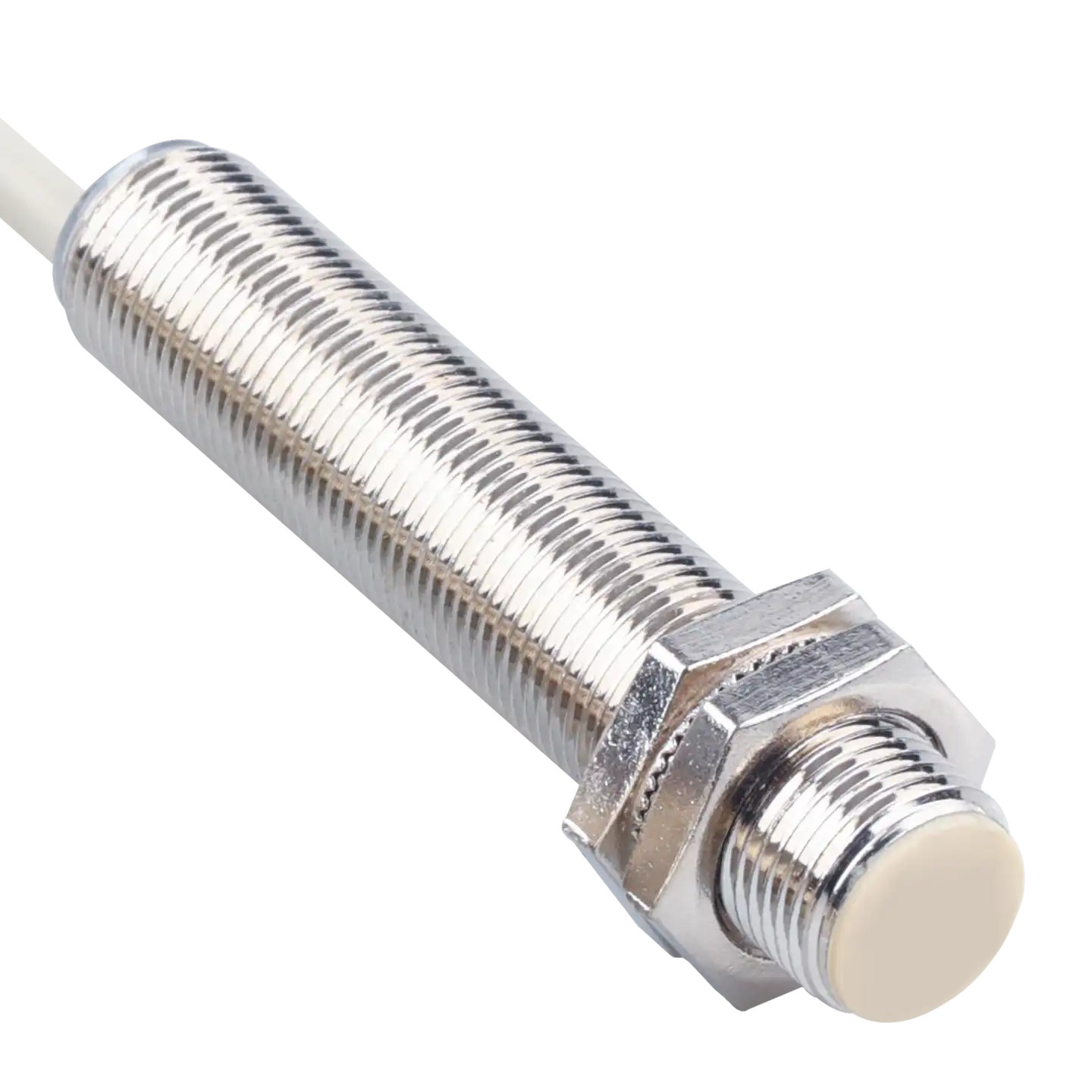
XSZ capacitive proximity sensor for non-metal and liquid detection
Detect beyond metalStable sensing for liquids, powders, granules and packaging materials
LiquidLevel detection
PowderHopper monitoring
OEMCustom configuration
Direct ManufacturerFactory support for standard and OEM capacitive sensors
Material SelectionMatch dielectric behavior, sensing distance and target condition
Through-wall SensingDetect media inside plastic or glass containers when conditions allow
OEM/ODM ReadyLogo, label, cable, connector, packaging and wiring support
Why Capacitive Sensors

Detect materials that inductive sensors cannot see

Capacitive proximity sensors respond to changes in capacitance caused by the target material. This makes them useful for non-metal objects, liquid level detection and bulk material monitoring.

Non-metal Detection

Detect plastic, glass, paper, wood, rubber, cartons, powders, grains and other materials that metal-only sensors cannot detect.

Liquid Level Control

Monitor water, oil, chemicals or other media in tanks, tubes, plastic bottles and containers without direct contact.

Adjustable Sensitivity

Fine-tune the sensing threshold to detect the target medium while reducing false triggers from container walls, dust or background objects.

Application Range

Use capacitive sensors for level, filling and non-metal presence detection

Capacitive sensors are practical when the target is liquid, powder, granule, packaging material or a non-metal object that requires non-contact detection.

  • Liquid level detection in plastic tanks, bottles, pipes and transparent containers
  • Powder, grain and plastic granule level monitoring in hoppers and silos
  • Packaging content detection for cartons, bags, boxes and containers
  • Plastic, glass, wood, rubber, paper and non-metal object presence detection
  • Food, beverage, chemical, packaging and injection molding equipment
  • OEM equipment supply with custom cable, connector, label and sensitivity setup
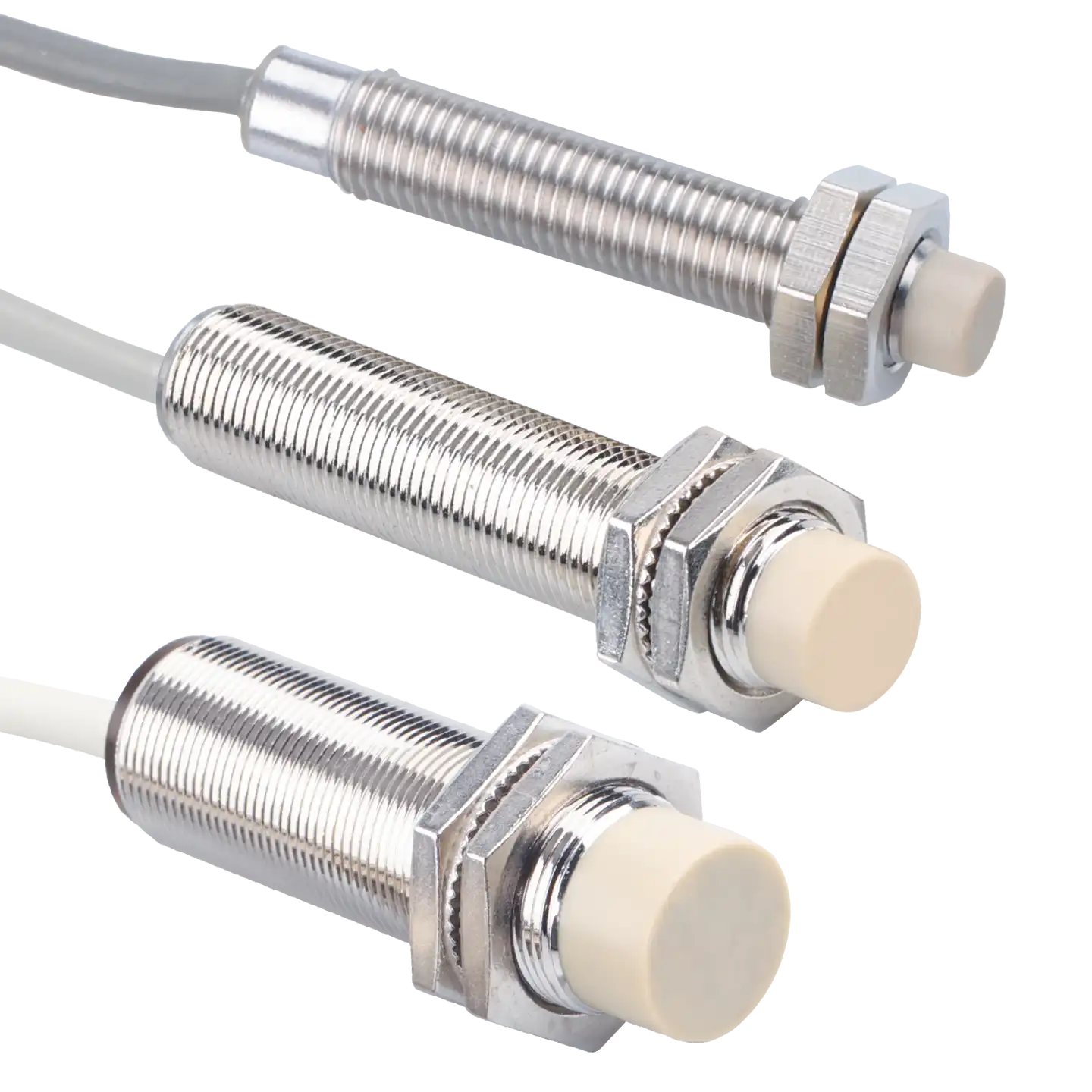
Capacitive proximity sensors for level and non-metal detection
Material Selection Guide

Match the sensor to the material and detection task

Capacitive sensing performance depends on the target material, density, moisture, container wall and installation environment. Use this table to start model selection.

Target MaterialTypical UseSelection FocusBuyer Note
Water / liquidLevel detection in tanks, bottles and pipesContainer wall, liquid conductivity and mounting distanceHigh dielectric liquids are usually easier to detect
Oil / chemicalsNon-contact level control and process monitoringMedium type, safety requirement and housing materialConfirm chemical compatibility and sealing requirements
Plastic / glassObject presence and container detectionTarget thickness, distance and background suppressionLow dielectric materials may need shorter distance
Powder / granulesHopper, silo and feeding equipment monitoringDust buildup, density change and vibrationSensitivity should be adjusted for stable feeding signals
Carton / paperPackaging line detection and content checkingPackage thickness, filling state and speedUseful for full/empty checks when photoelectric sensing is difficult
Through-wall Detection

Detect liquid or material through non-metal container walls

Capacitive sensors can often detect liquid, powder or granules through plastic or glass walls. The result depends on wall thickness, target material, sensing distance and sensitivity setting.

Good Fit

  • Plastic or glass container wall
  • Water-based liquid or high dielectric material
  • Stable mounting distance and fixed container position
  • Adjustable sensitivity with enough installation margin
VS

Needs Testing

  • Thick wall or irregular container shape
  • Low dielectric material such as some oils or dry powders
  • Material buildup on the sensor face or container wall
  • Nearby objects causing background influence or false signals
Avoid False Triggering

Confirm the real material and environment before ordering

Capacitive sensors are sensitive to material, moisture, dust and surrounding objects. Confirming these details early helps reduce false signals, missed level detection and repeated sample changes.

What material is inside?

Water, oil, powder, plastic granules and cartons behave differently. Send the exact medium so the sensitivity range can be selected correctly.

What wall or package is between?

Plastic wall, glass wall, carton thickness and container position affect detection. Wall material and thickness should be confirmed before testing.

Will dust or buildup appear?

Powder, moisture, residue and material buildup can change the sensing condition. Choose proper mounting and cleaning access for stable operation.

Configuration Options

Build the capacitive sensor around your material and machine layout

XSZ supports capacitive sensor configurations for level control, packaging machinery, feeding systems and OEM automation equipment.

Mechanical Fit

Housing and Installation

Choose housing size, sensing face, threaded body, cable direction and mounting position based on tank, hopper or machine space.

  • M18 / M30 and common industrial housings
  • Flush or non-flush installation by model
  • Bracket and container-wall mounting support
OEM Fit

Cable and Branding

Customize details for OEM equipment, distributor product lines or replacement projects.

  • Cable length and connector type
  • Private label and wiring diagram
  • Packaging and batch supply support
Selection Factors

Stable capacitive detection depends on material, distance and adjustment

Instead of choosing only by catalog sensing distance, confirm the real medium, container wall, installation gap and environment. This helps XSZ recommend a model with enough sensing margin.

Material dielectric behavior

Water-based liquids are usually easier to detect. Oils, dry powders and low-density materials may require closer distance or sample testing.

Wall thickness and distance

Plastic, glass or package walls reduce the available sensing margin. Provide wall material, wall thickness and target distance.

Sensitivity and background

Correct adjustment helps detect the intended material while reducing false triggers from brackets, residues, nearby objects or operator movement.

What to ConfirmWhy It MattersWhat to Send XSZ
Target materialDifferent materials create different capacitance changesLiquid, powder, plastic, glass, carton, granule or exact medium name
Container or wallWall material and thickness affect through-wall detectionPlastic, glass, tube, tank, carton thickness or installation photo
Working distancePractical distance may be lower than rated distanceGap between sensor face and material or container wall
EnvironmentDust, humidity, residue and vibration can change the signalTemperature, moisture, dust, buildup and cleaning condition
Model Selection Support

Send your material and installation details for a suitable model suggestion

Tell us the material to detect, container wall, working distance, output type and environment. XSZ engineers can help narrow down the right capacitive proximity sensor for your machine.

01

Share Material

Send liquid, powder, plastic, carton, glass or exact medium information.

02

Confirm Setup

Provide container wall, sensing distance, mounting photo and environment conditions.

03

Get Model

Receive suitable series, sensitivity guidance, sample suggestion and OEM options.

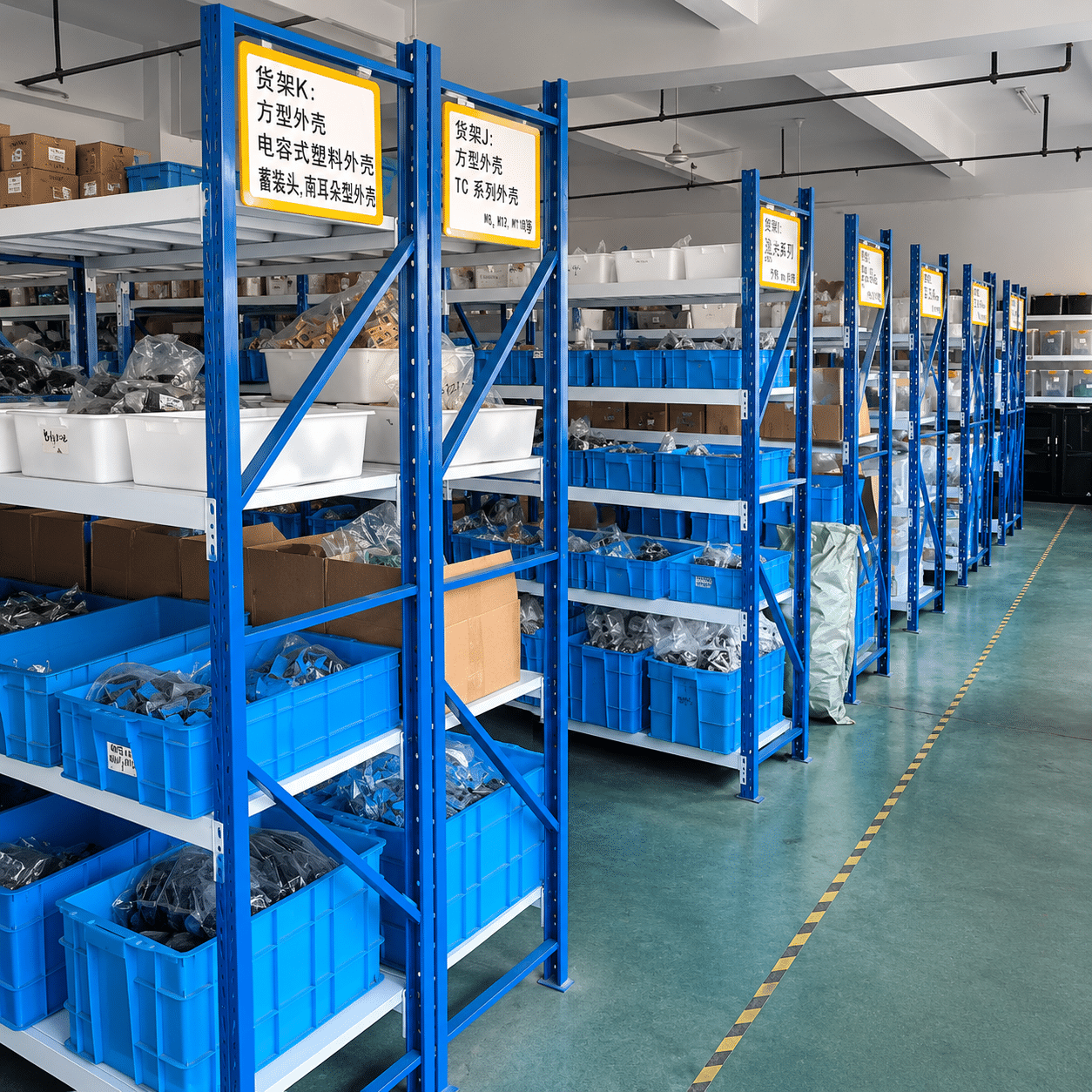
XSZ capacitive proximity sensor factory and OEM customization support
Factory OEM Support

XSZ supports capacitive sensor selection, sampling and OEM supply

Work with a sensor manufacturer for application review, sample confirmation, private label, cable and connector customization, batch supply, export packing and distributor cooperation.

OEMLogo, label, wiring diagram and packaging
R&DMaterial-based model recommendation
QCBatch inspection and aging checks
GlobalExport-ready communication and supply
FAQ

Capacitive Proximity Sensor FAQ

What can a capacitive proximity sensor detect?
A capacitive proximity sensor can detect many non-metal and metal materials, including liquids, powders, plastic, glass, wood, paper, rubber, cartons and granules. It is often used when the target is not suitable for inductive metal detection.
Can capacitive sensors detect liquid through a plastic or glass wall?
Yes, in many applications. The result depends on the liquid type, wall material, wall thickness, sensing distance and sensitivity setting. Sample testing is recommended for low dielectric liquids or thick containers.
Why does a capacitive sensor false trigger?
False triggering can be caused by moisture, dust, residue buildup, nearby objects, changing container position or sensitivity set too high. Proper installation and adjustment help improve stability.
How do I choose NPN or PNP output?
Choose NPN or PNP based on your PLC or controller input type. If you are unsure, send your PLC model or wiring diagram to XSZ for confirmation before ordering.
Can XSZ customize capacitive proximity sensors for OEM equipment?
Yes. XSZ supports OEM logo, cable length, connector type, label, wiring diagram, packaging, housing style and application-based model recommendation.
Select the fields to be shown. Others will be hidden. Drag and drop to rearrange the order.
  • Image
  • SKU
  • Rating
  • Price
  • Stock
  • Availability
  • Add to cart
  • Description
  • Content
  • Weight
  • Dimensions
  • Additional information
Click outside to hide the comparison bar
Compare