Zhejiang Xinsenzheng Automation Co., Ltd.

Industrial Sensor Manufacturer OEM & Application Support Factory-direct Supply
Fiber Optic Cables

Fiber Optic Cables for Compact Sensing Points.

XSZ fiber optic cables and sensing heads help place optical detection exactly where the machine needs it. Choose by sensing mode, head shape, cable length, bend radius, mounting space and amplifier compatibility.
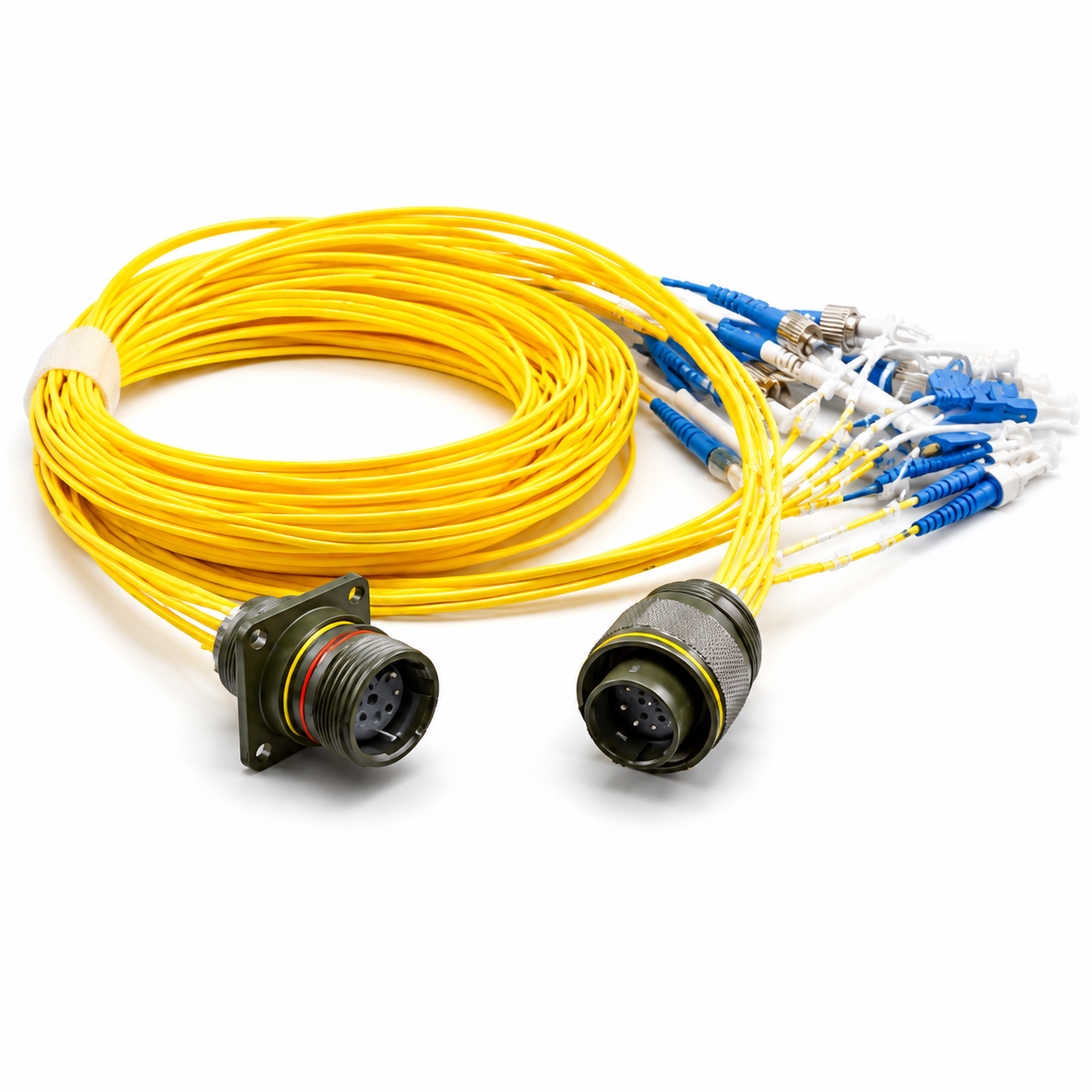
  • Fiber heads and cables for small targets, narrow fixtures and precise detection points
  • Selection by through-beam or diffuse mode, head angle, cable route and environment
  • OEM support for cable length, head style, protective tube, label and repeat supply
XSZ fiber optic cables and sensing heads for industrial detection
Flexible sensing headsPlace optical detection inside narrow machine spaces
HeadShape choice
BendRoute control
OEMCable supply
Direct ManufacturerFactory support for fiber heads, cables and sensor kits
Installation FitSelection by head size, angle, distance and cable route
Amplifier MatchingCompatibility support for output stability and signal setup
OEM/ODM ReadyCable length, label, package and repeat order support
Why Cable Selection Matters

The fiber head and cable decide whether detection can physically fit the machine

The amplifier processes the signal, but the fiber cable brings light to the detection point. The wrong head shape, cable route or bend radius can cause unstable signals or installation failure.

Fits the sensing point

Small straight, flat or angled heads can reach narrow spaces where a full sensor body cannot be mounted.

Protects light transmission

Correct bend radius and cable protection help avoid light loss, breakage and signal drift after installation.

Improves target focus

Head direction and sensing mode must match the target path, size, surface and background condition.

Application Range

For narrow detection points, small targets and hard-to-reach machine areas

Fiber optic cables are useful when only a small sensing head can be mounted near the target while the amplifier stays in a safer or easier-to-adjust location.

  • Small parts, pins, caps, holes, labels and edge detection
  • Compact fixtures, guide rails, narrow gaps and machine tooling areas
  • Packaging machines, electronics assembly and precision positioning
  • Areas with vibration, moving parts or cable routes that need protection
  • OEM machines requiring fixed cable length, head style and repeatable installation
XSZ fiber optic cables for compact automation sensing points
Selection Guide

Choose by sensing mode, head shape and cable route

Fiber optic cable selection should start from the physical detection point. Confirm the target and installation path before deciding the head style and cable length.

Selection PointCustomer ProblemRecommended CheckInformation to Provide
Sensing modeTarget is missed or background causes false signalChoose through-beam, diffuse or reflective fiber headTarget photo, background and detection purpose
Head shapeFiber head cannot fit into the machine fixtureConfirm straight, flat, angled, threaded or special head needsMounting space photo and dimension drawing
Cable lengthCable is too short or creates excessive loop inside the machineMeasure amplifier position to sensing pointRequired route length and cabinet location
Bend radiusSignal drops after cable is bent during installationReview fixed bends, moving sections and protection routeCable route photo and motion condition
EnvironmentOil, dust, heat or cleaning damages the cableConfirm protection tube, jacket type and mounting exposureWorking environment and cleaning condition
Amplifier matchFiber cable does not work well with the amplifierCheck compatibility, light transmission and sensing distanceAmplifier model and selected fiber head type
Comparison

Through-beam fiber cables vs diffuse fiber heads

These are two common choices. The better option depends on mounting access, target size, required stability and whether both sides of the target path can be installed.

Diffuse fiber heads

  • One-sided installation near the target
  • Good when the opposite side cannot hold a receiver head
  • Performance depends more on target color, surface and background
  • Needs careful distance and angle adjustment for small targets
VS

Through-beam fiber cables

  • Emitter and receiver heads installed on opposite sides
  • Often more stable for object interruption and small part detection
  • Requires space and alignment on both sides of the target path
  • Useful when target color or reflectivity changes during production
Avoid Wrong Selection

Common reasons fiber optic cables fail after installation

Most cable-related problems are mechanical: wrong head shape, tight bends, poor mounting, dirty tips or cable damage during machine movement.

Sharp bending

Excessive bending can reduce light transmission or break the fiber, causing weak or unstable signal.

Wrong head angle

The fiber head may physically fit but still point at the wrong target path or reflective background.

Dirty or damaged tip

Dust, oil, scratches or poor installation near the fiber end can reduce detection range and repeatability.

Configuration Options

Configure the fiber cable around your fixture and amplifier

Send the machine drawing, target photo and amplifier model. XSZ can help match the fiber cable to the installation and output requirements.

Cable Route

Length and bend protection

Confirm cable length, bend radius, moving area, protection tube and fixing method.

System Match

Amplifier compatibility

Match fiber cable, amplifier setting, sensing distance and target condition before bulk order.

Key Factors

What to confirm before buying fiber optic cables

These details help avoid choosing a cable that looks correct but fails mechanically or gives weak signal after installation.

  • Target size, target path, surface reflectivity and background
  • Through-beam, diffuse or reflective sensing requirement
  • Fiber head size, shape, angle, thread and mounting bracket space
  • Cable length, bend radius, movement, protection tube and fixing method
  • Amplifier model, required sensing distance and environment condition
NeedBetter ChoiceRisk if Ignored
Narrow fixtureSmall or flat fiber head with protected routeMechanical interference or broken cable
Changing target colorThrough-beam fiber arrangement when possibleFalse trigger from surface reflectivity
Moving machine partCable route with bend and pull-force controlSignal loss after repeated movement
OEM machine buildFixed head style, length, label and packageInstallation changes across repeat orders
Selection Support

Send the target path and cable route before confirming the fiber cable

XSZ can review the fixture, sensing distance and amplifier model to recommend a suitable fiber optic cable or head.

01

Share the target

Send target size, motion direction, background and detection purpose.

02

Confirm the mounting

Provide fixture photo, available space, head angle and cable route.

03

Match the system

Confirm amplifier model, cable length, environment and sample test needs.

XSZ fiber optic cable manufacturing and OEM support
Factory Support

Manufacturer support for fiber optic cable projects

For automation equipment builders and distributors, XSZ supports fiber cable selection, head style matching, cable length confirmation and repeat order supply.

HeadShape and mounting support
CableLength and route support
KitAmplifier and head matching
OEMLabel, package and repeat supply
FAQ

Fiber Optic Cable FAQ

What is a fiber optic cable used for in sensors?
A fiber optic cable carries light between the amplifier and the sensing point. It allows a small fiber head to be mounted near the target while the amplifier stays in an easier-to-wire location.
How do I choose a fiber optic cable?
Confirm the sensing mode, target size, sensing distance, head shape, mounting space, cable length, bend radius, environment and amplifier compatibility before choosing the model.
Should I choose through-beam or diffuse fiber optic cable?
Choose through-beam when both sides of the target path can be mounted and high stability is needed. Choose diffuse when only one side of the target is available, but check target surface and background carefully.
Why does a fiber optic cable lose signal?
Signal loss can be caused by sharp bending, dirty fiber tips, damaged cable, excessive sensing distance, poor alignment, wrong head angle or incompatibility with the amplifier setting.
Can XSZ customize fiber optic cables for OEM machines?
Yes. XSZ supports fiber head selection, cable length, label, protective routing suggestions, amplifier matching, kit packaging and repeat supply support depending on the selected series.
Select the fields to be shown. Others will be hidden. Drag and drop to rearrange the order.
  • Image
  • SKU
  • Rating
  • Price
  • Stock
  • Availability
  • Add to cart
  • Description
  • Content
  • Weight
  • Dimensions
  • Additional information
Click outside to hide the comparison bar
Compare