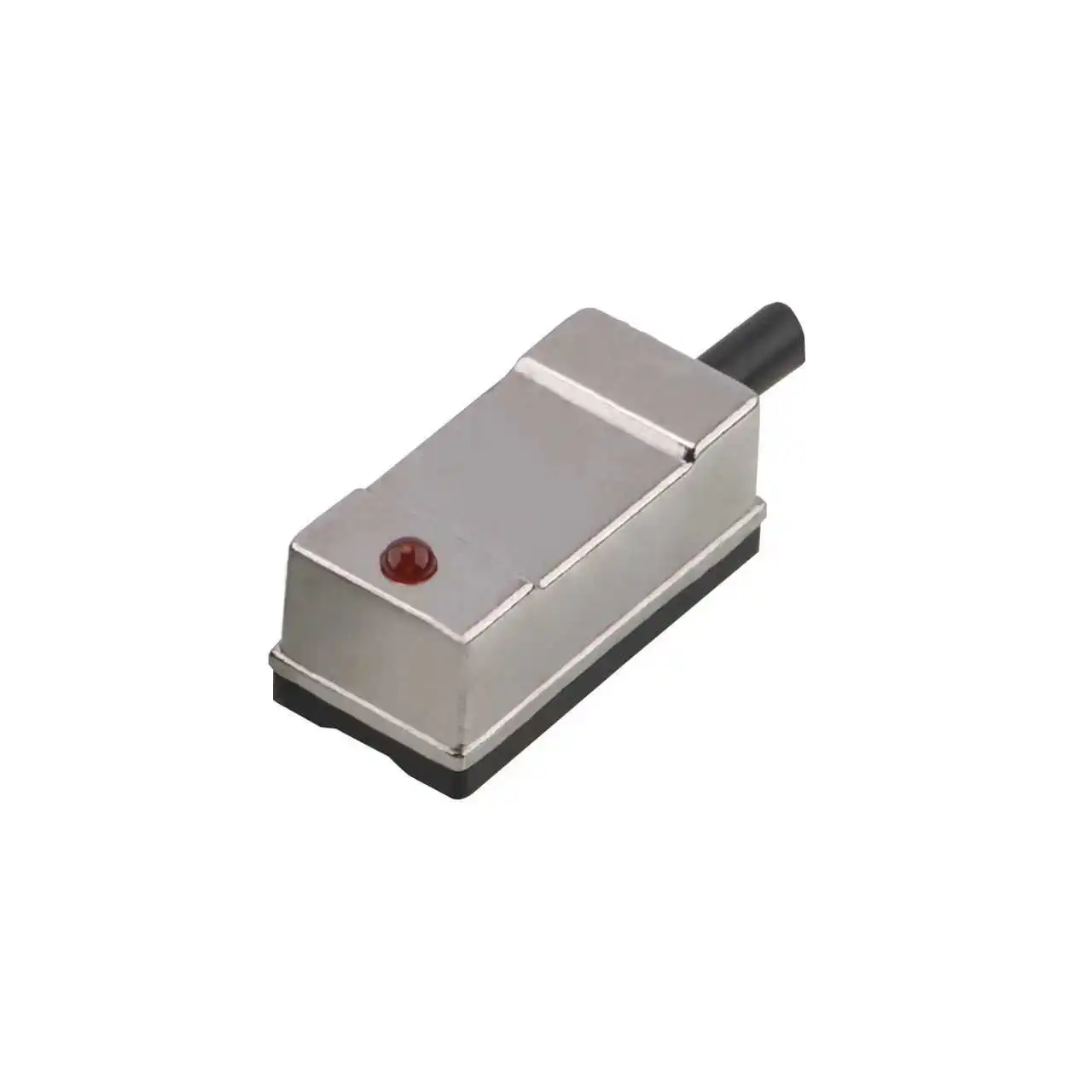
Capacitive Proximity Detect Beyond Metals
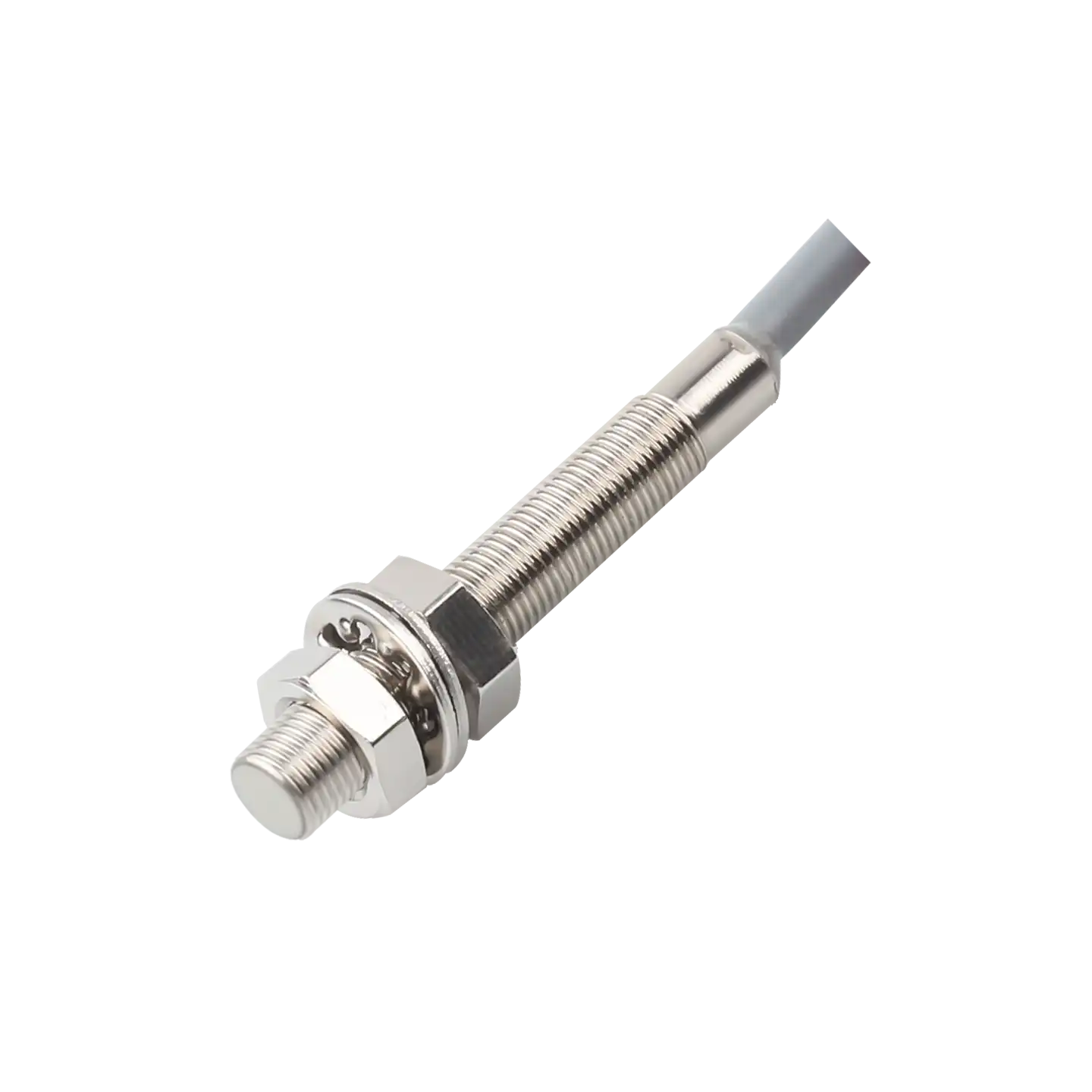
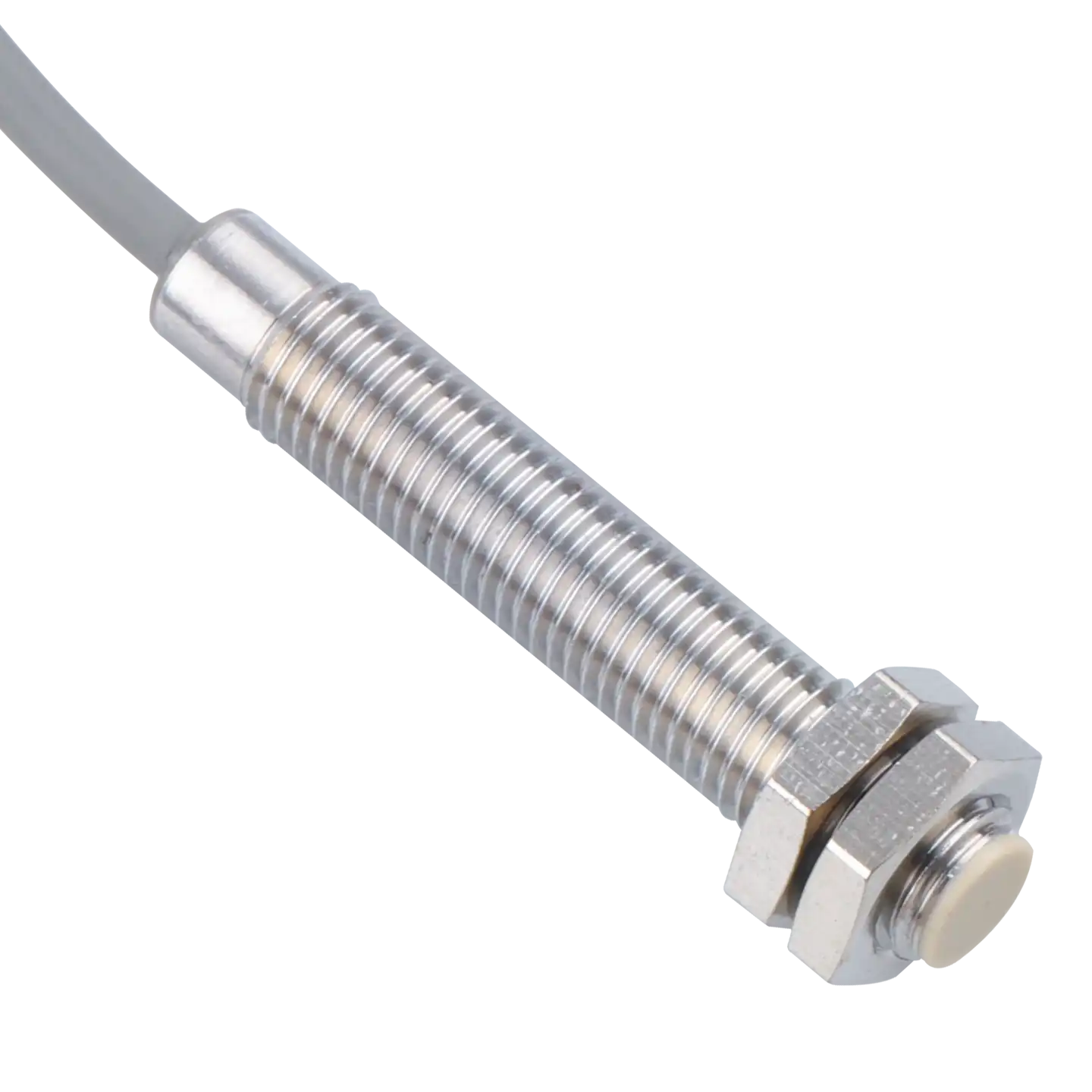
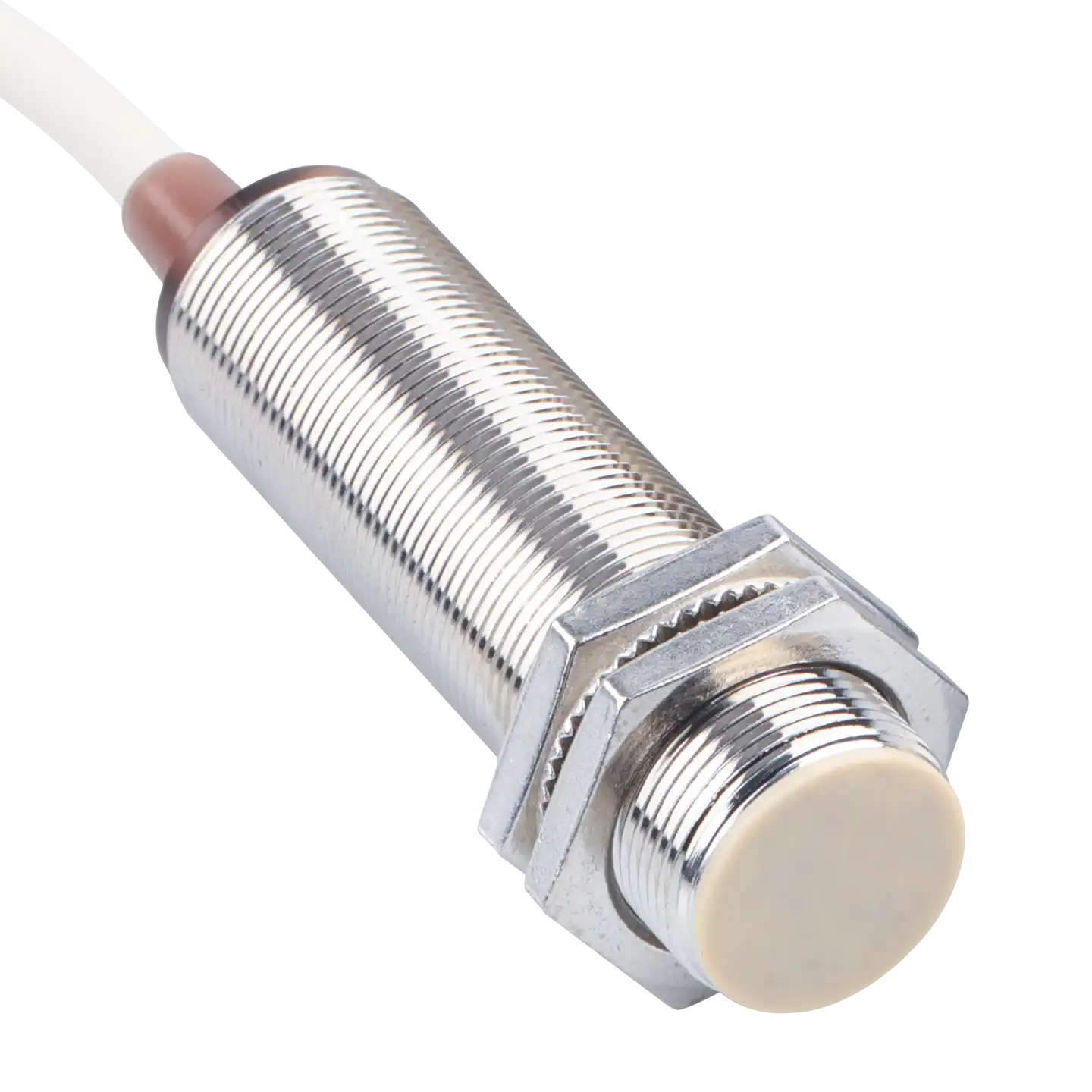
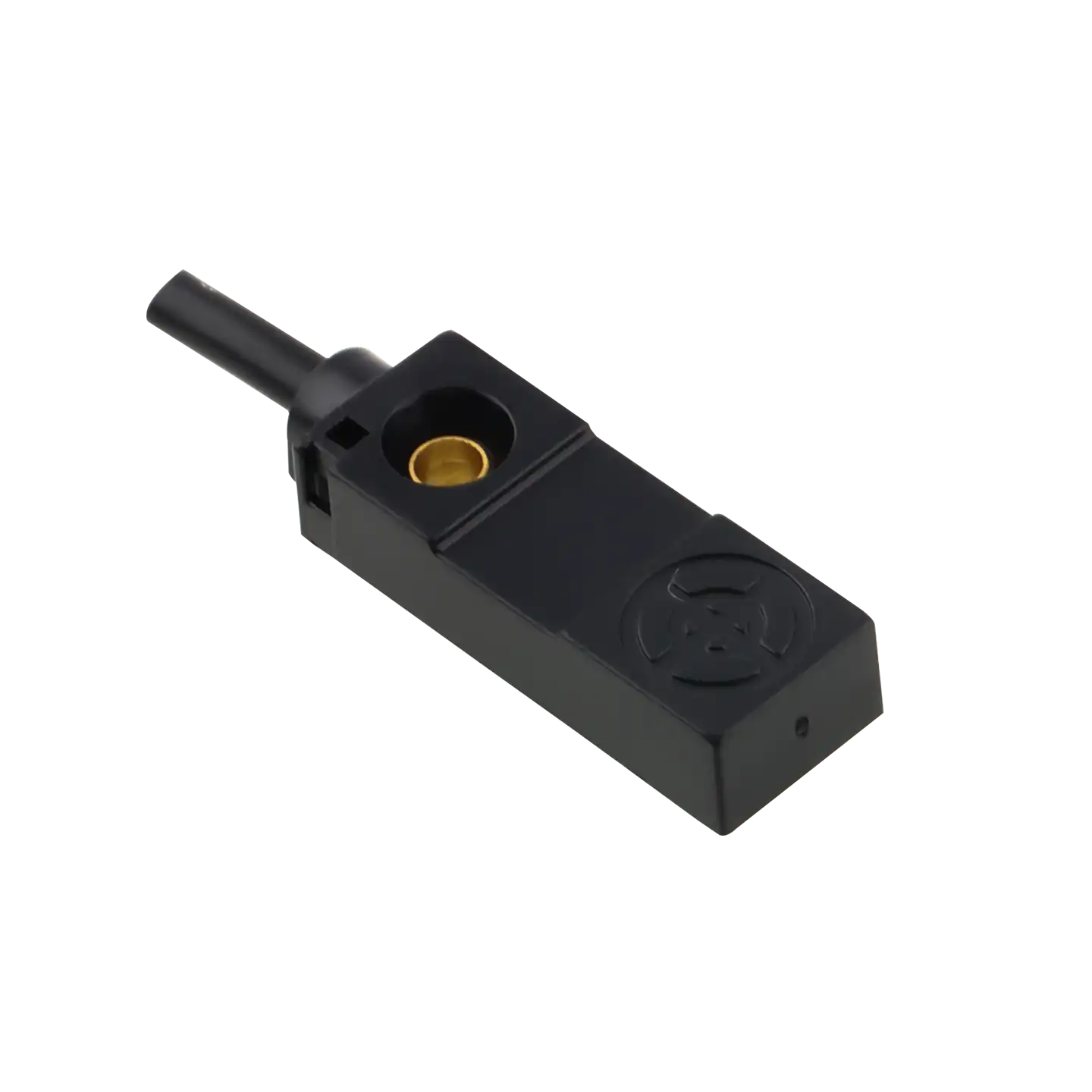
XSZ capacitive sensors offer ultimate versatility, detecting non-metallic objects, liquids, and bulk materials. From non-contact liquid level control to sensing through plastic container walls, we provide the precision your automated process demands.
- 1-25mm Adj. Sensing Range
- Liquids Sensing Target
- IP67/69K Protection Level
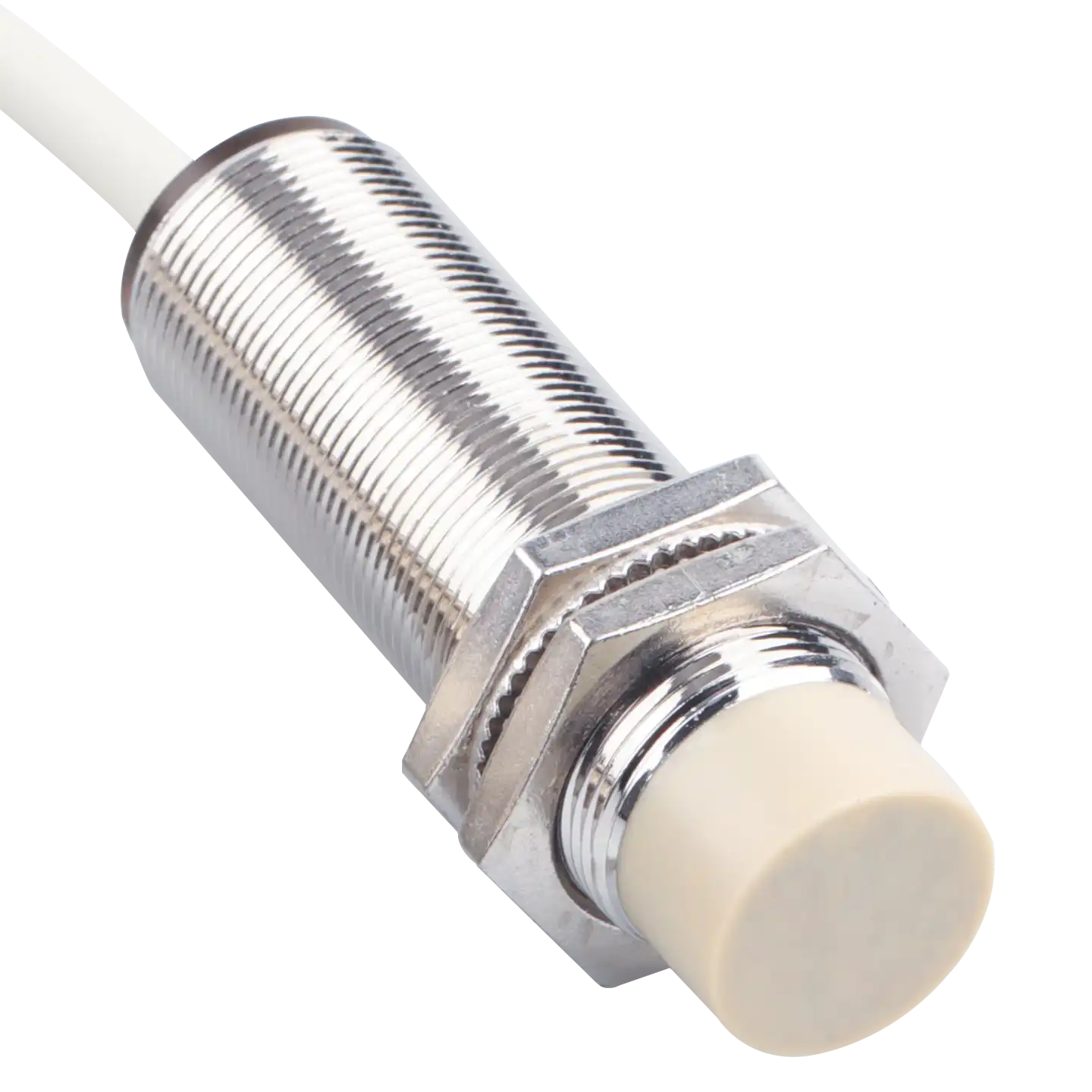
Sensing the Dielectric Constant
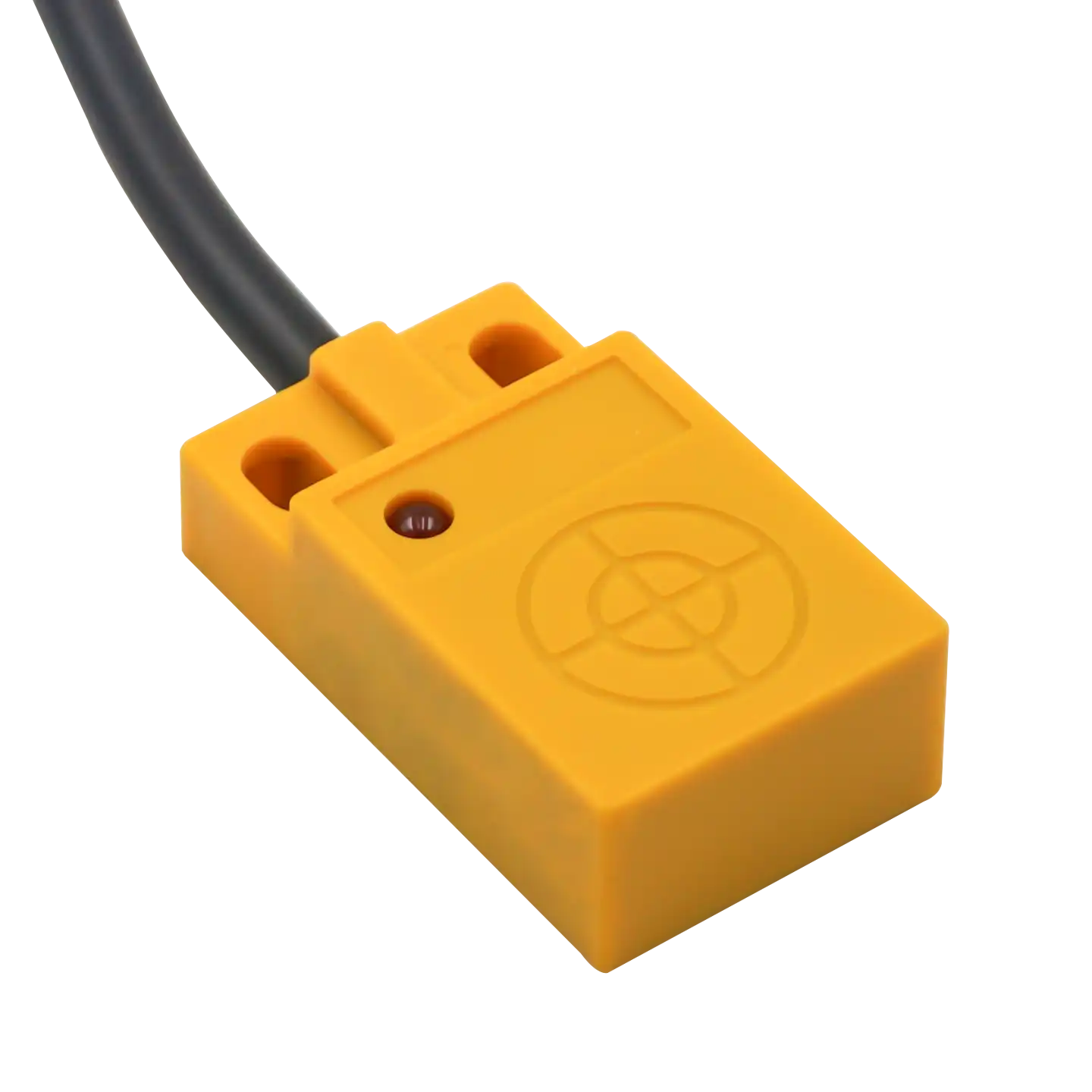
Unlike inductive sensors, capacitive proximity switches act as an open capacitor. The sensing face contains two concentric electrodes. When a target approaches, it changes the dielectric constant within the electrostatic field, increasing the capacitance and triggering the internal RC oscillator.
Active Electrostatic Field
The sensor projects a hemispherical electrostatic field. Any material with a dielectric constant greater than air can be detected.
Sensitivity Adjustment
Equipped with a multi-turn potentiometer, users can fine-tune the sensor to "see through" low-density containers and detect only the medium inside.
RC Oscillator Logic
The change in capacitance shifts the oscillation amplitude, which is converted into a clean digital signal by our high-speed processing chip.
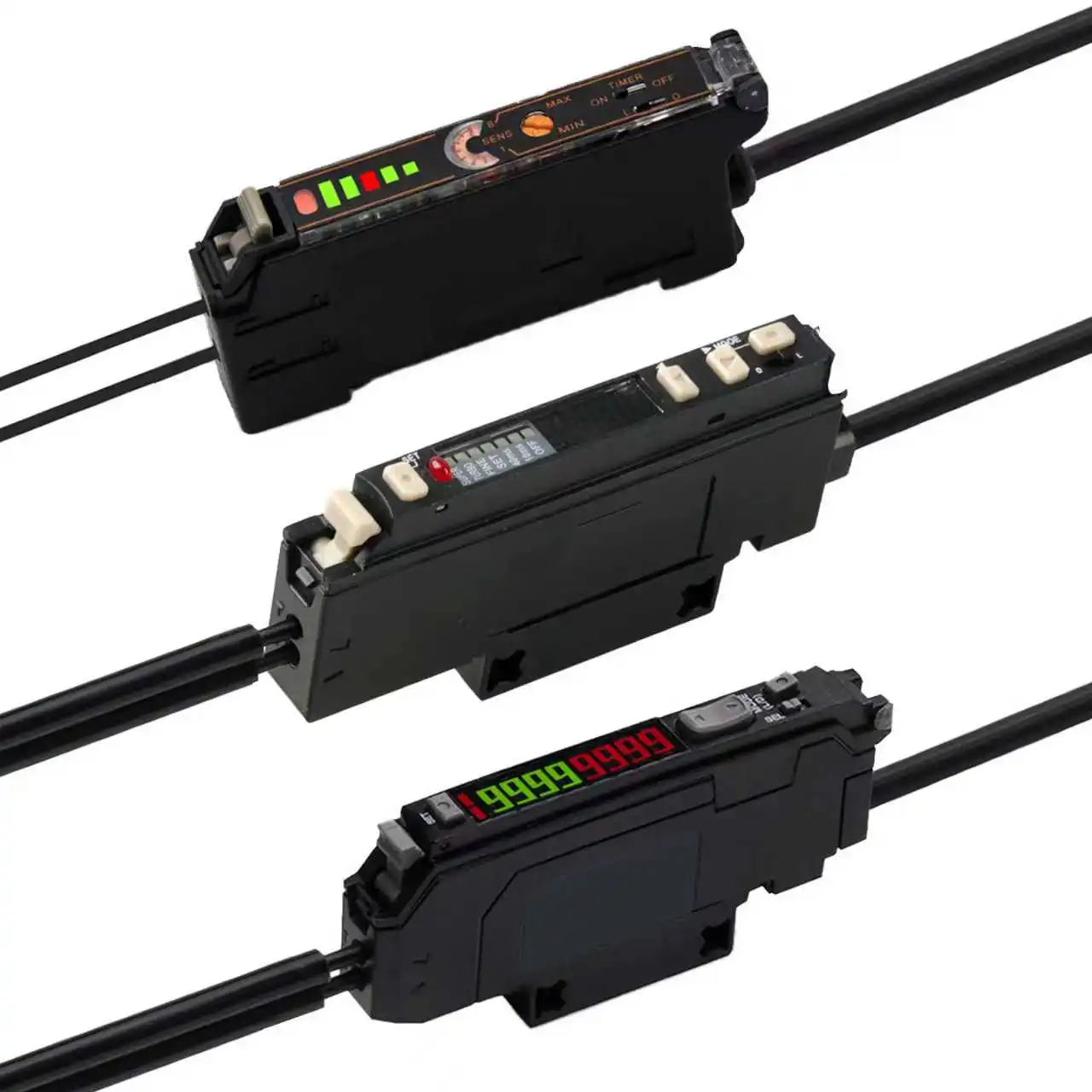
Professional Product Series
High-performance optical & inductive solutions engineered for global industrial automation.
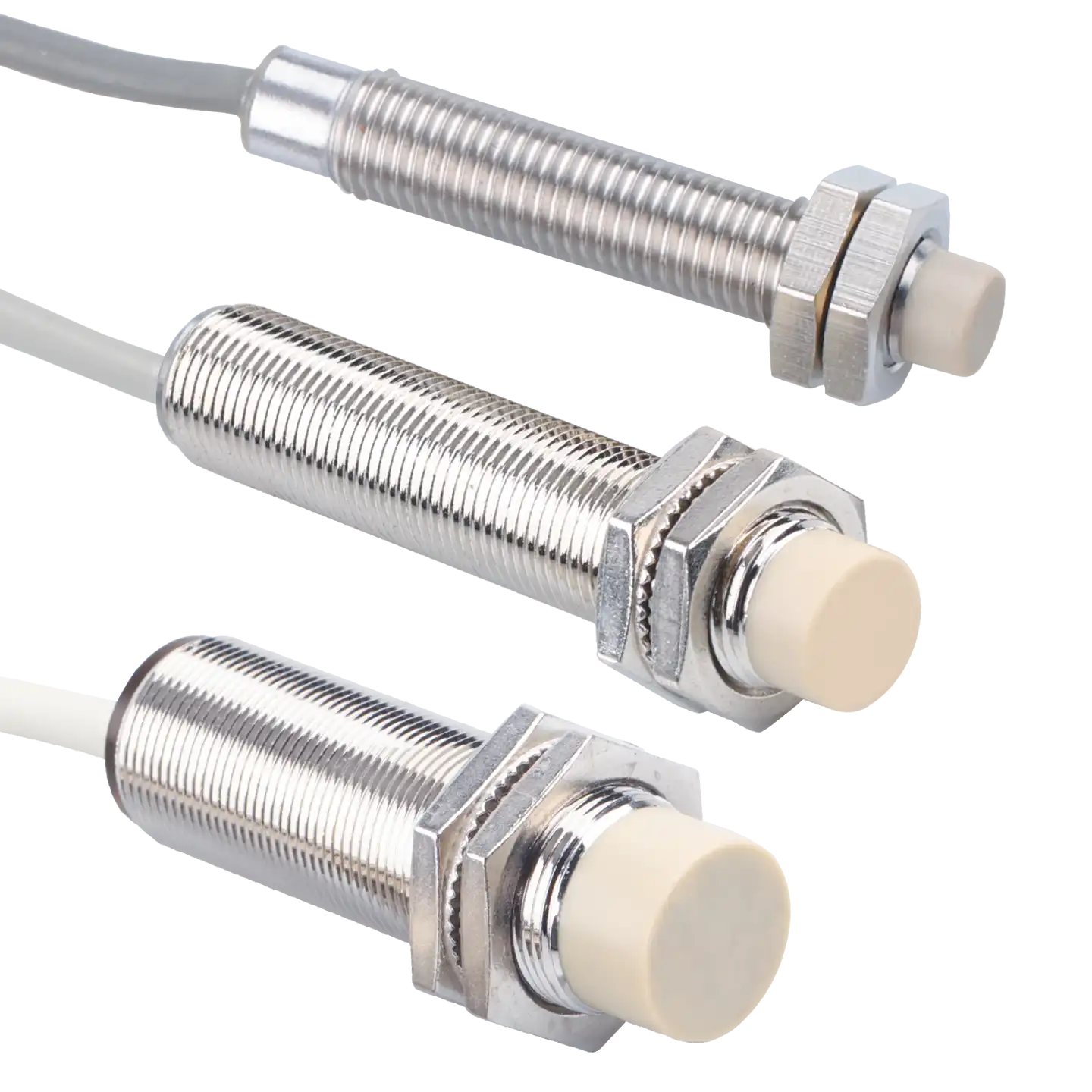
High-Performance Capacitive Intelligence
XSZ capacitive proximity switches are designed to overcome the limitations of metal-only sensors. With superior electrostatic field stability, they provide reliable detection for any medium, regardless of its conductivity.
Universal Detection
Detects non-metallic materials including liquids (water, oil, chemicals), powders, plastic granules, glass, and wood with high repeatability.
Through-Wall Sensing
Capable of "seeing through" non-metallic container walls (plastic/glass) to monitor internal levels without making contact with the medium.
Precision Tuning
Features a built-in multi-turn potentiometer. Fine-tune the sensitivity to detect objects with low dielectric constants ($\varepsilon_r$) or suppress background objects.
EMC/EMI Shielding
Advanced electronic design provides high immunity to electrical noise and ESD, preventing false triggers in industrial environments with heavy motor interference.
Technical Specifications
Comprehensive performance data for XSZ capacitive sensors. Ensure the correct selection based on your target material's dielectric properties.
| Specifications | XSZ-CM12 (Compact) | XSZ-CM18 (Universal) | XSZ-CM30 (Power) | XSZ-CP (Chemical) |
|---|---|---|---|---|
| Rated Sensing Distance (Sn) | 4 mm | 8 mm | 25 mm | 10 mm |
| Adjustment Range | 1 - 5 mm | 2 - 10 mm | 2 - 30 mm | 2 - 15 mm |
| Sensitivity Adjustment | Potentiometer | Potentiometer | Teach-in / Pot. | Potentiometer |
| Switching Frequency | 100 Hz | 100 Hz | 50 Hz | 40 Hz |
| Hysteresis | ≤ 15% of Sn | ≤ 15% of Sn | ≤ 20% of Sn | ≤ 15% of Sn |
| Repeatability | ≤ 0.02 mm | ≤ 0.05 mm | ≤ 0.10 mm | ≤ 0.05 mm |
| Housing Material | Nickel-plated Brass | Nickel-plated Brass | PBT Plastic | Full PTFE (Teflon) |
| Protection Rating | IP67 | IP67 / IP68 | IP67 | IP68 / IP69K |
Looking for a specific dielectric constant table (εr)? Download Material Selection Guide →
Material & Sensing Distance
The effective sensing distance (S) of a capacitive sensor depends on the dielectric constant (εr) of the target material. Use this guide to calculate the actual range for your specific medium.
Material Correction Factors (K)
How to "See Through" Containers?
To detect liquid inside a plastic bottle, reduce the sensitivity until the sensor ignores the empty container wall (εr ≈ 3). When the liquid (εr = 80) reaches the sensing face, the massive increase in capacitance will trigger the output.
Pro Tuning Tip:
Avoid environments with extreme humidity fluctuations, as water vapor (εr ≈ 80) can cause false triggering on highly sensitive settings. Use XSZ Compensated Models for stable performance.
Versatile Industrial Applications
XSZ capacitive sensors excel where standard sensors fail, providing reliable detection for liquids, solids, and granular materials in complex automated environments.
Non-Contact Level Control
Perfect for monitoring high-permittivity (εr = 80) liquids inside plastic or glass pipes. Ideal for the food, beverage, and chemical industries.
Granule & Powder Feeding
Installed in injection molding hoppers to detect plastic granules or powders. The adjustable sensitivity allows it to ignore dust buildup on the sensor face.
Content Verification
Used in high-speed packaging lines to detect if a cardboard box is full or empty by sensing the mass of the contents through the paperboard packaging.
Agriculture & Grain
Monitoring grain levels in silos or bulk storage. XSZ sensors with robust housings and EMC protection thrive in dusty and vibratory environments.
Manufacturing Excellence
Direct from our ISO-certified facility. We combine advanced automation with rigorous QC standards to deliver world-class laser sensors.
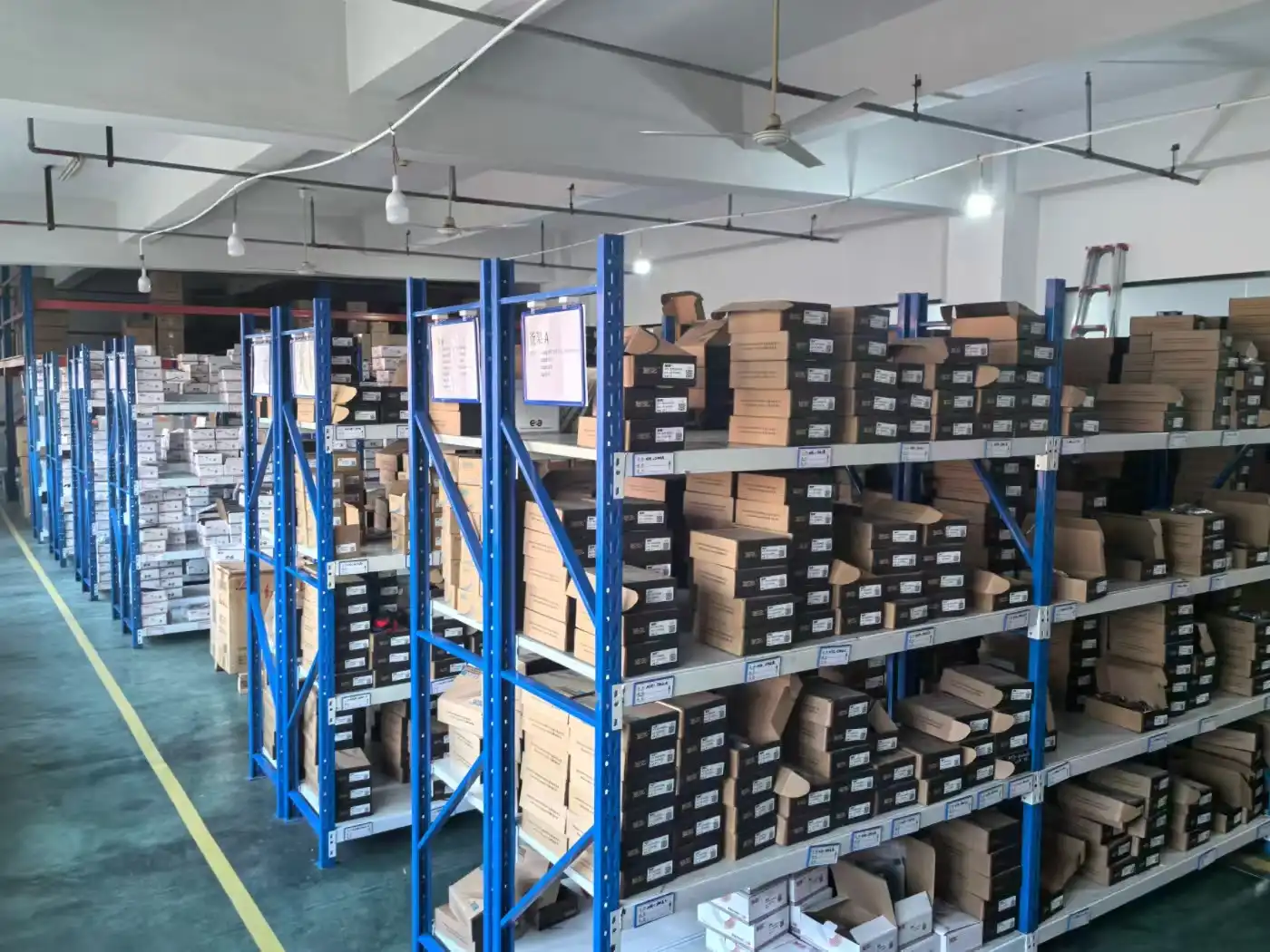
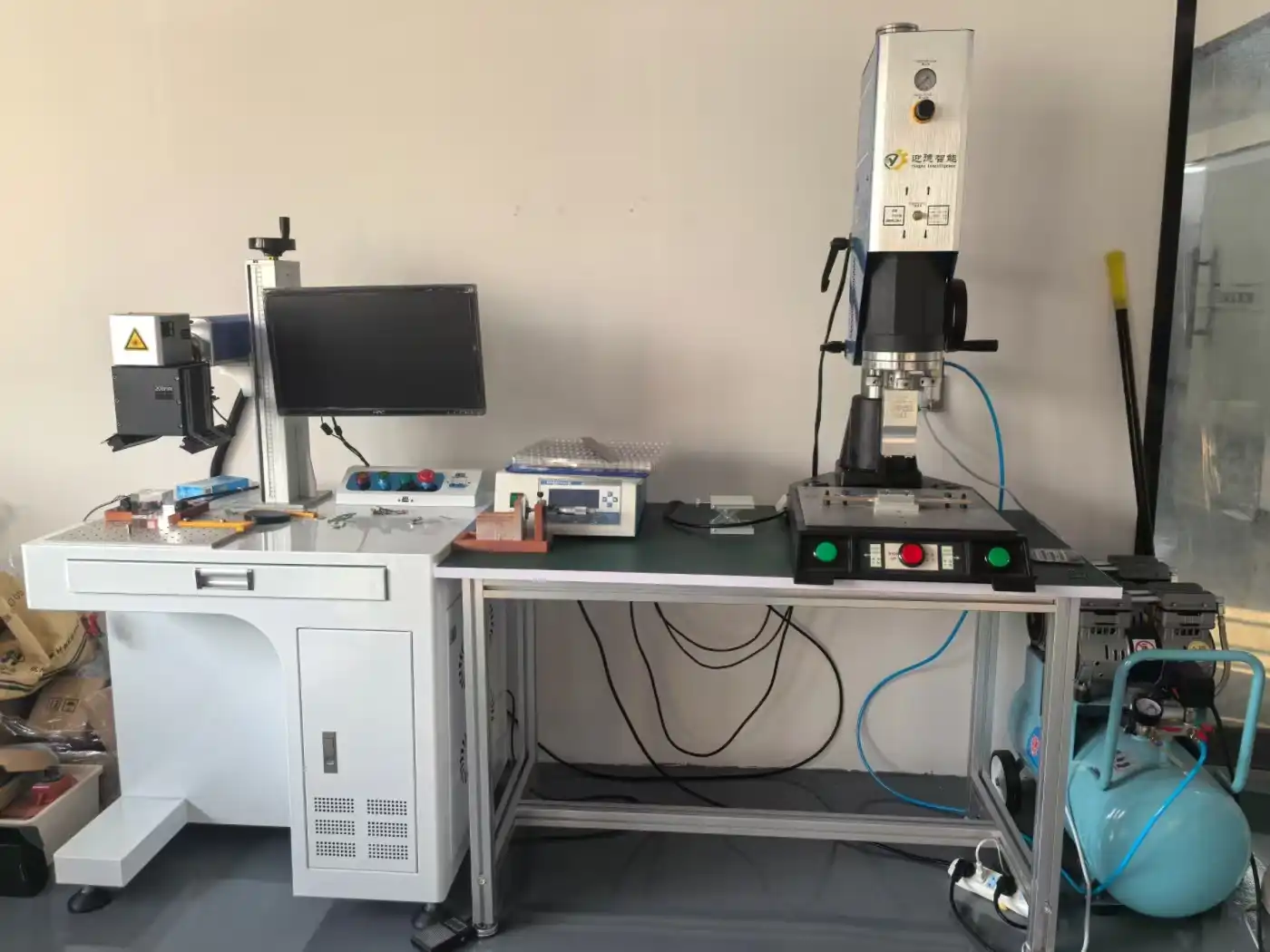
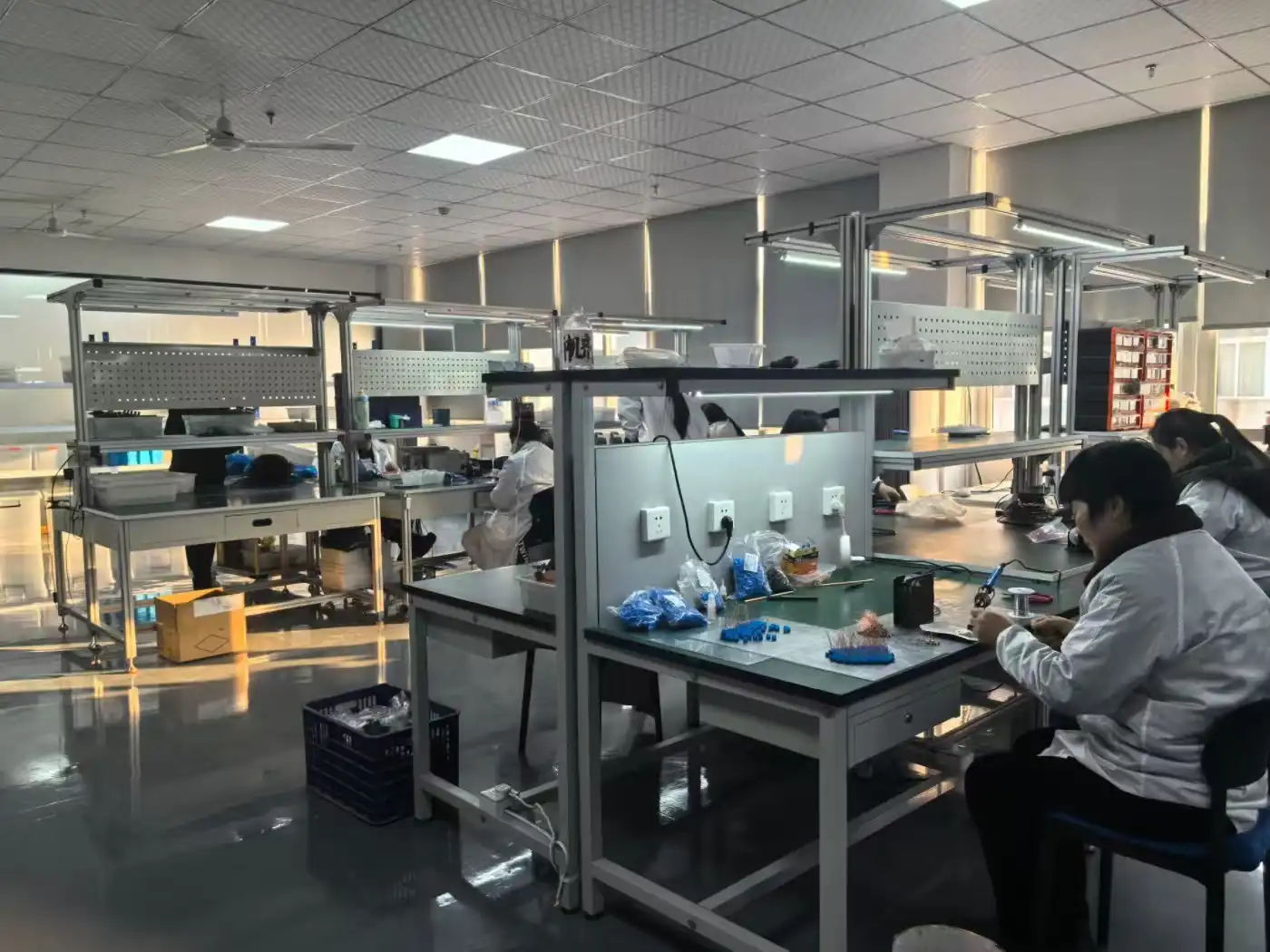
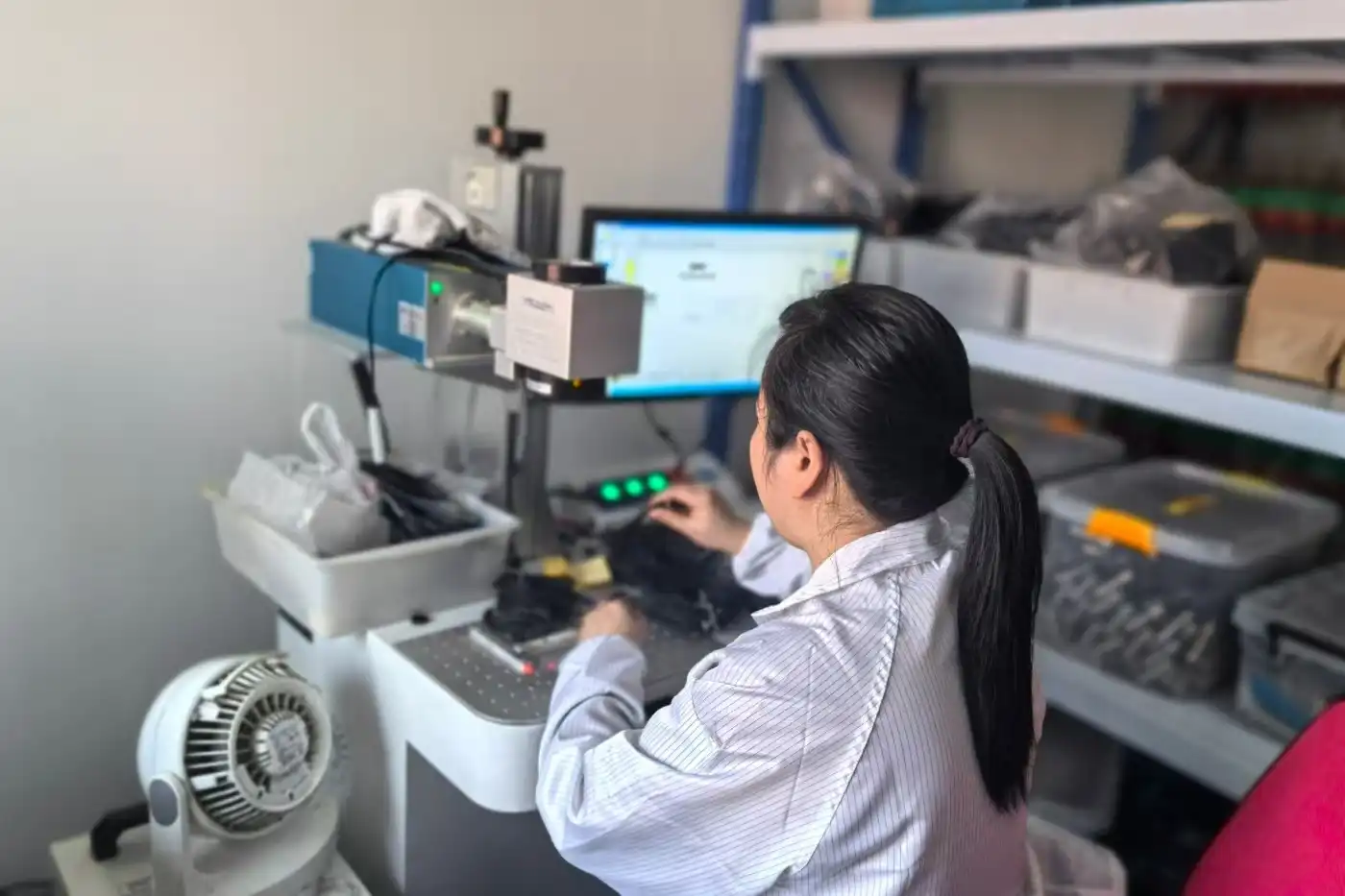
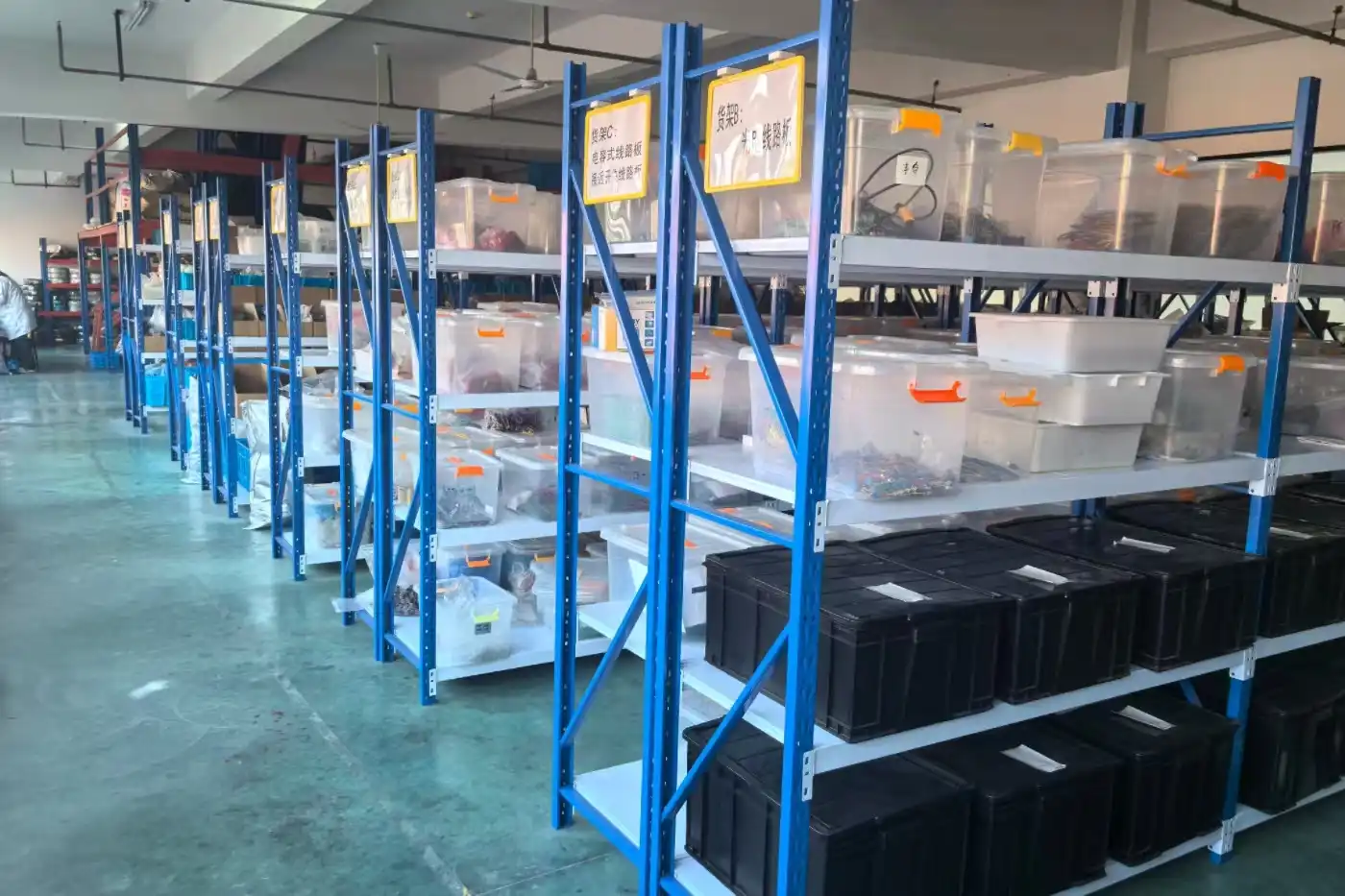
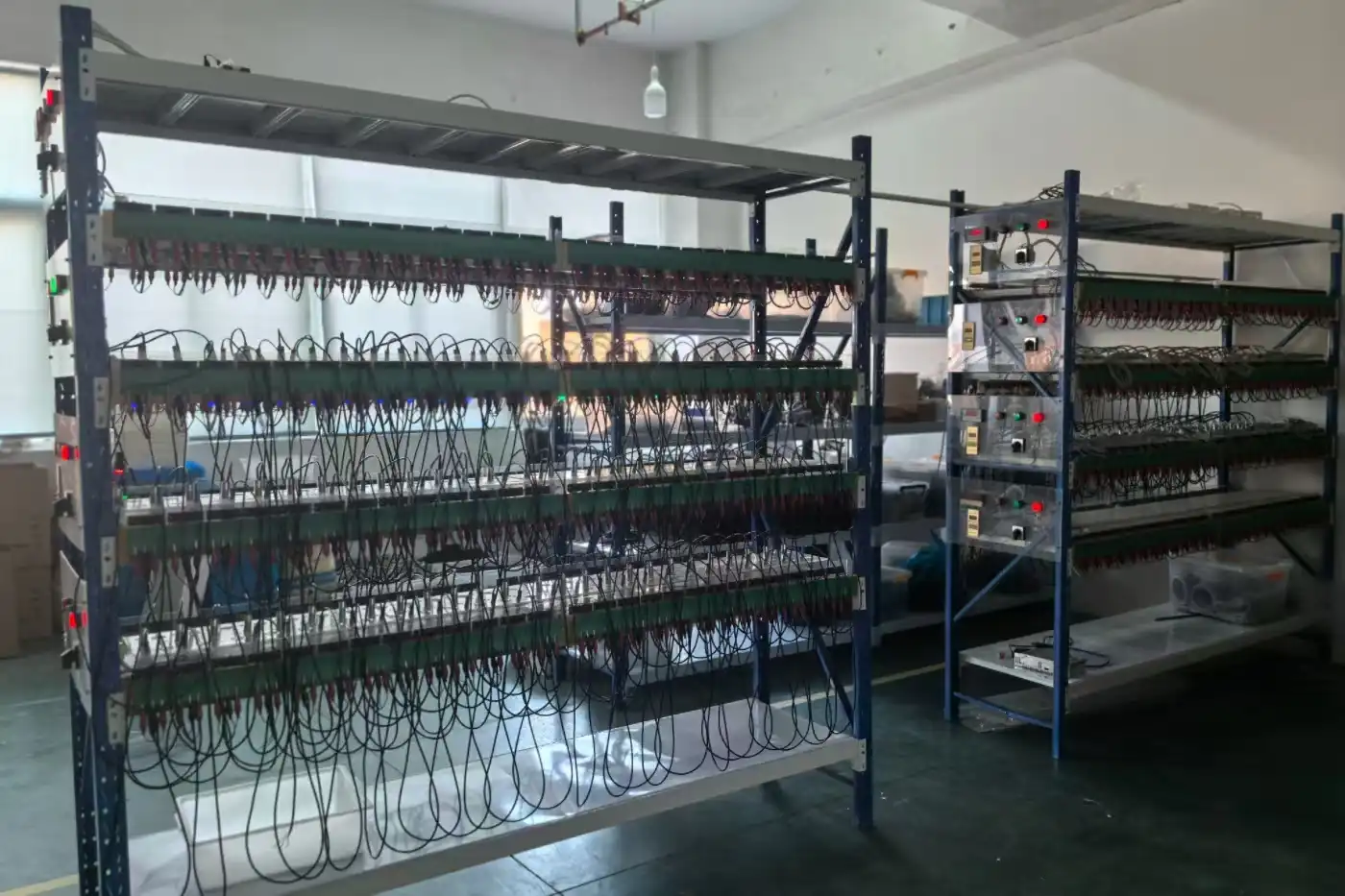
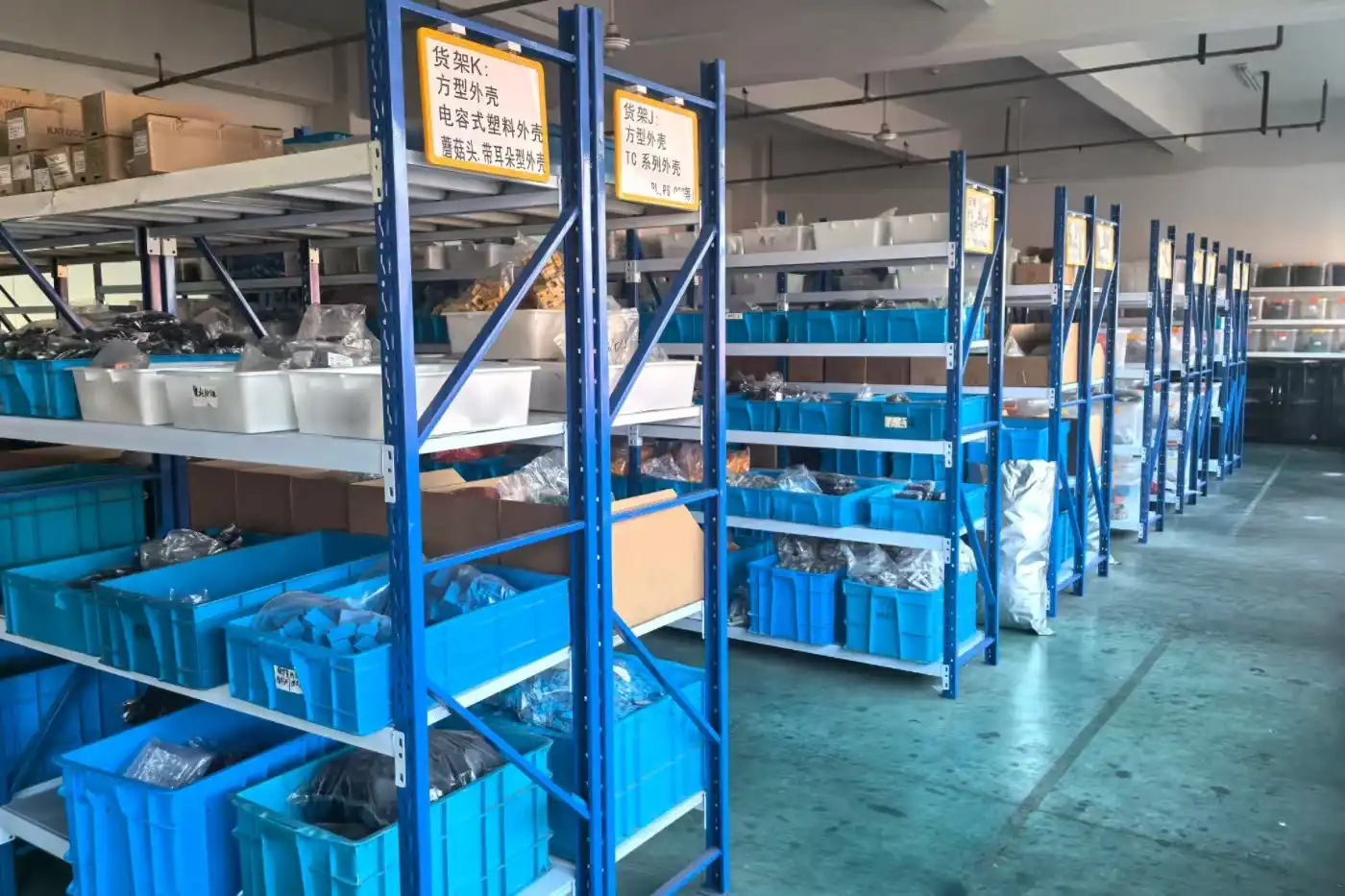
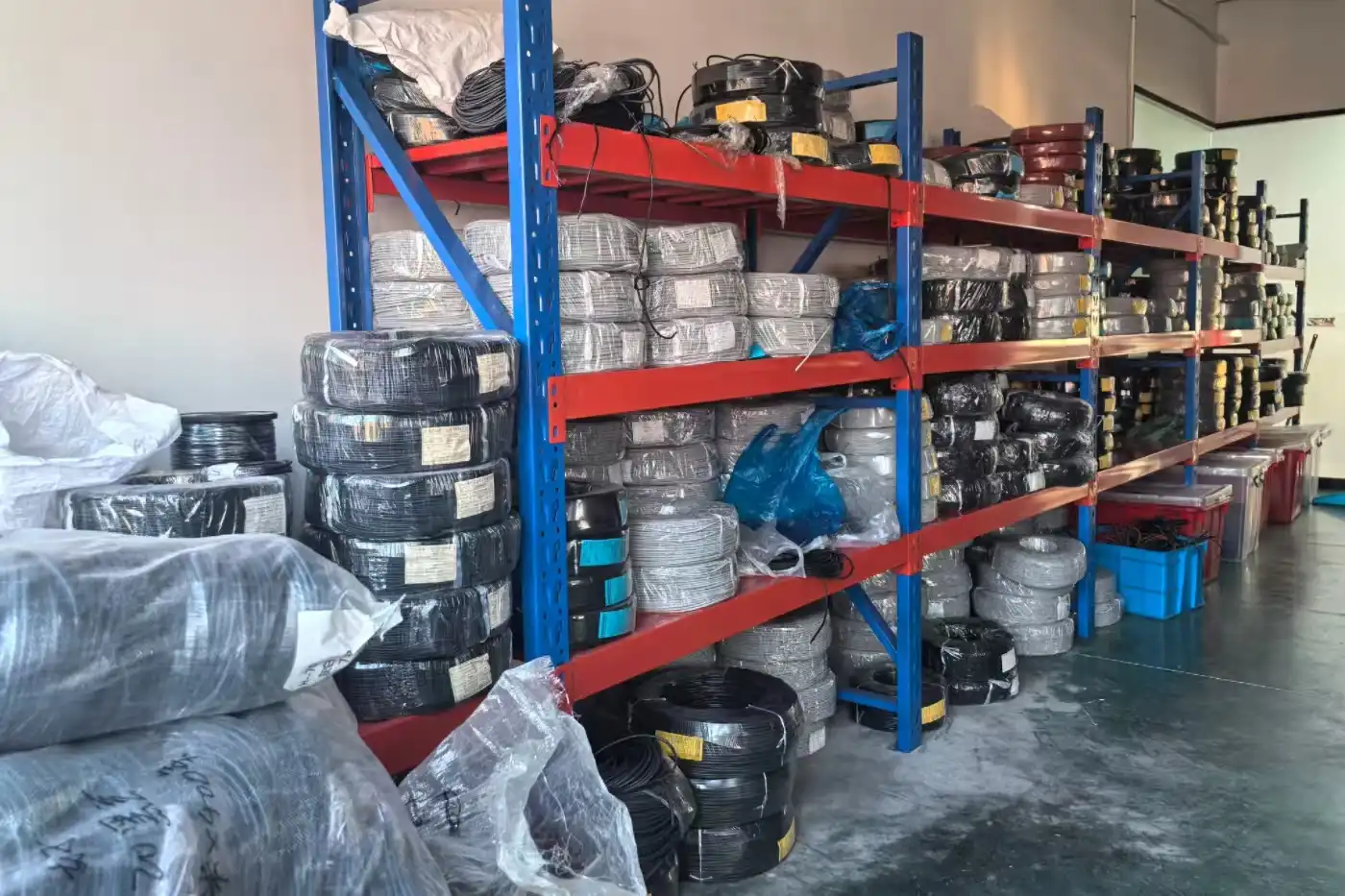

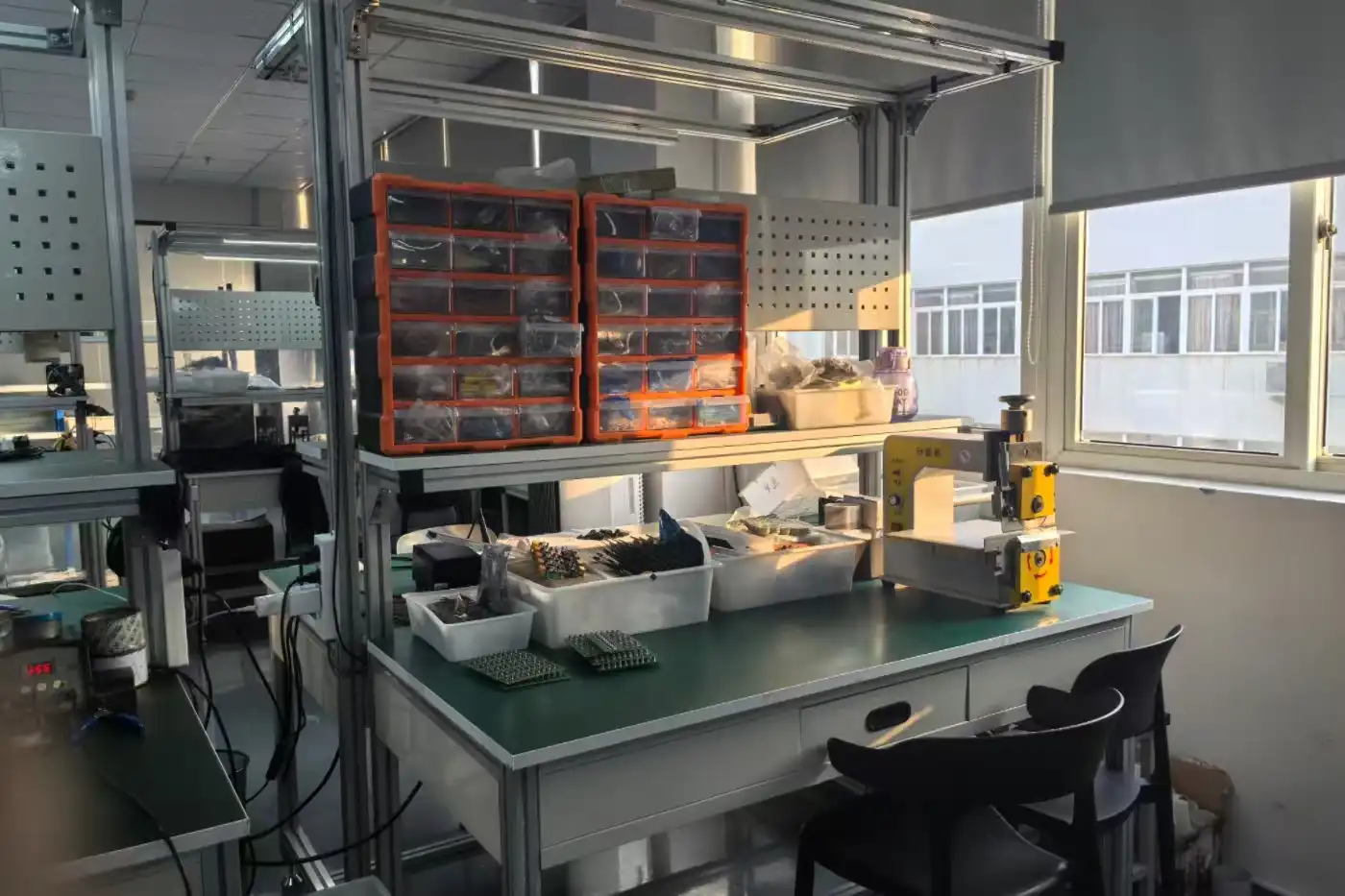

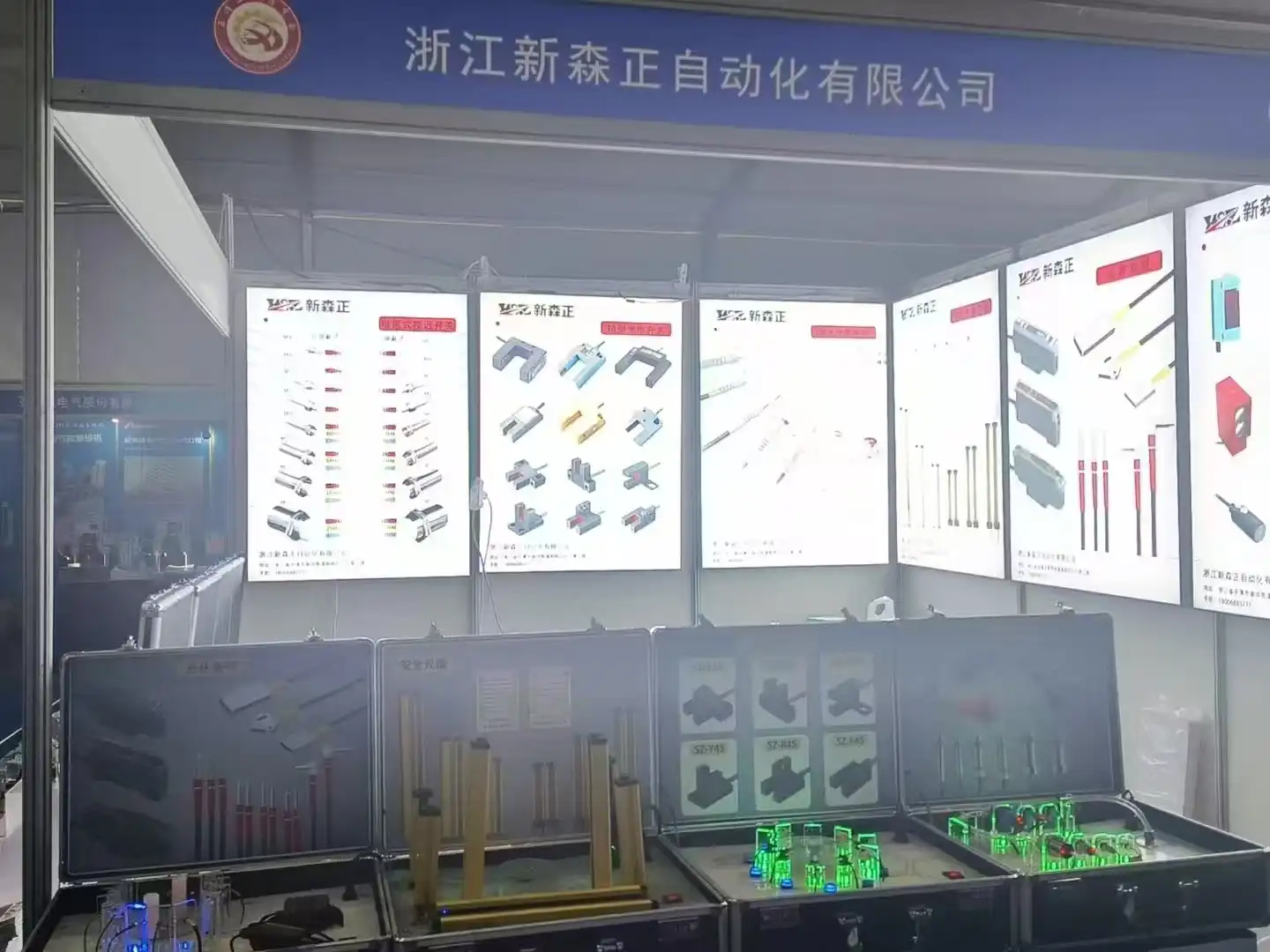
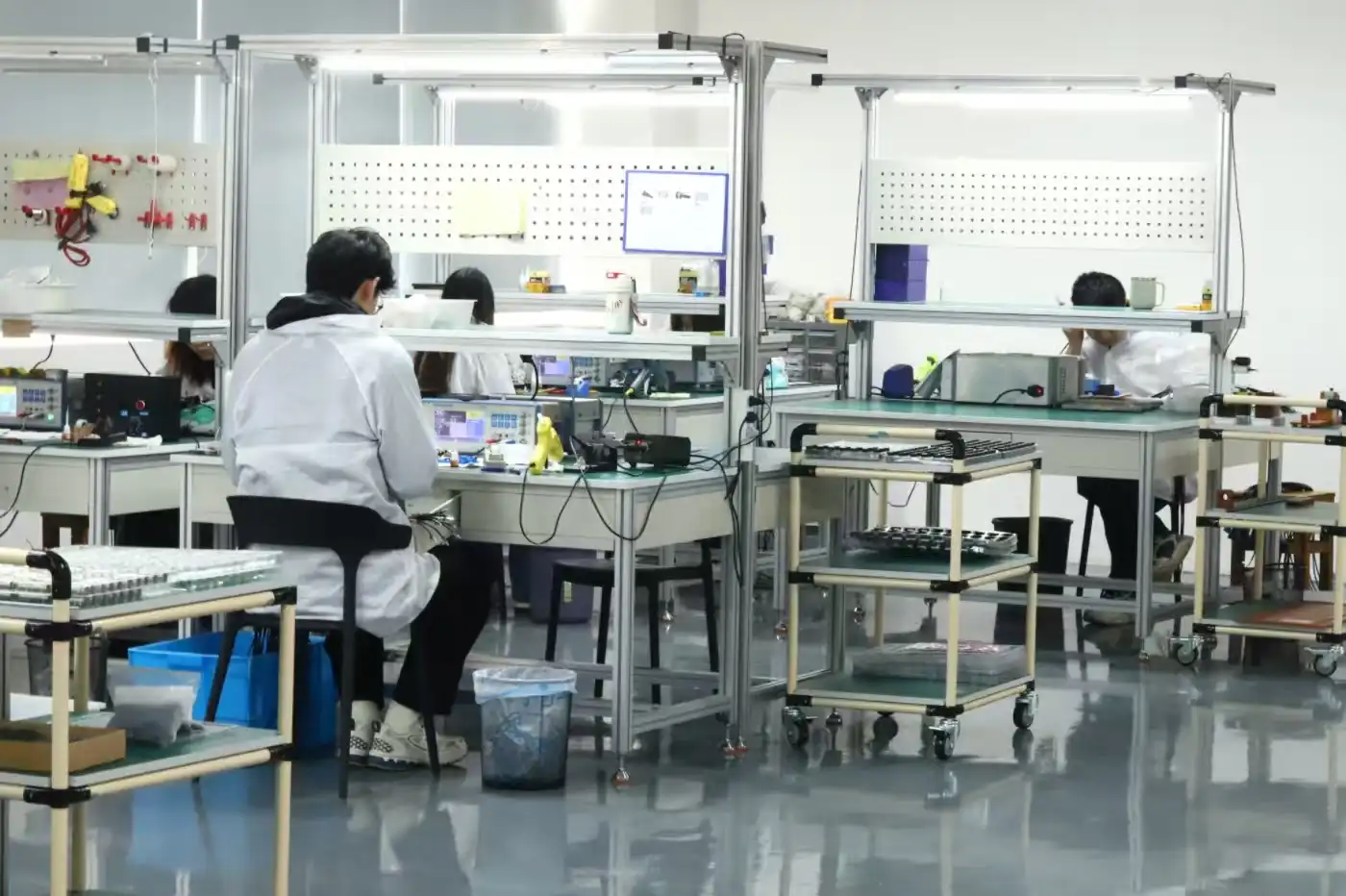
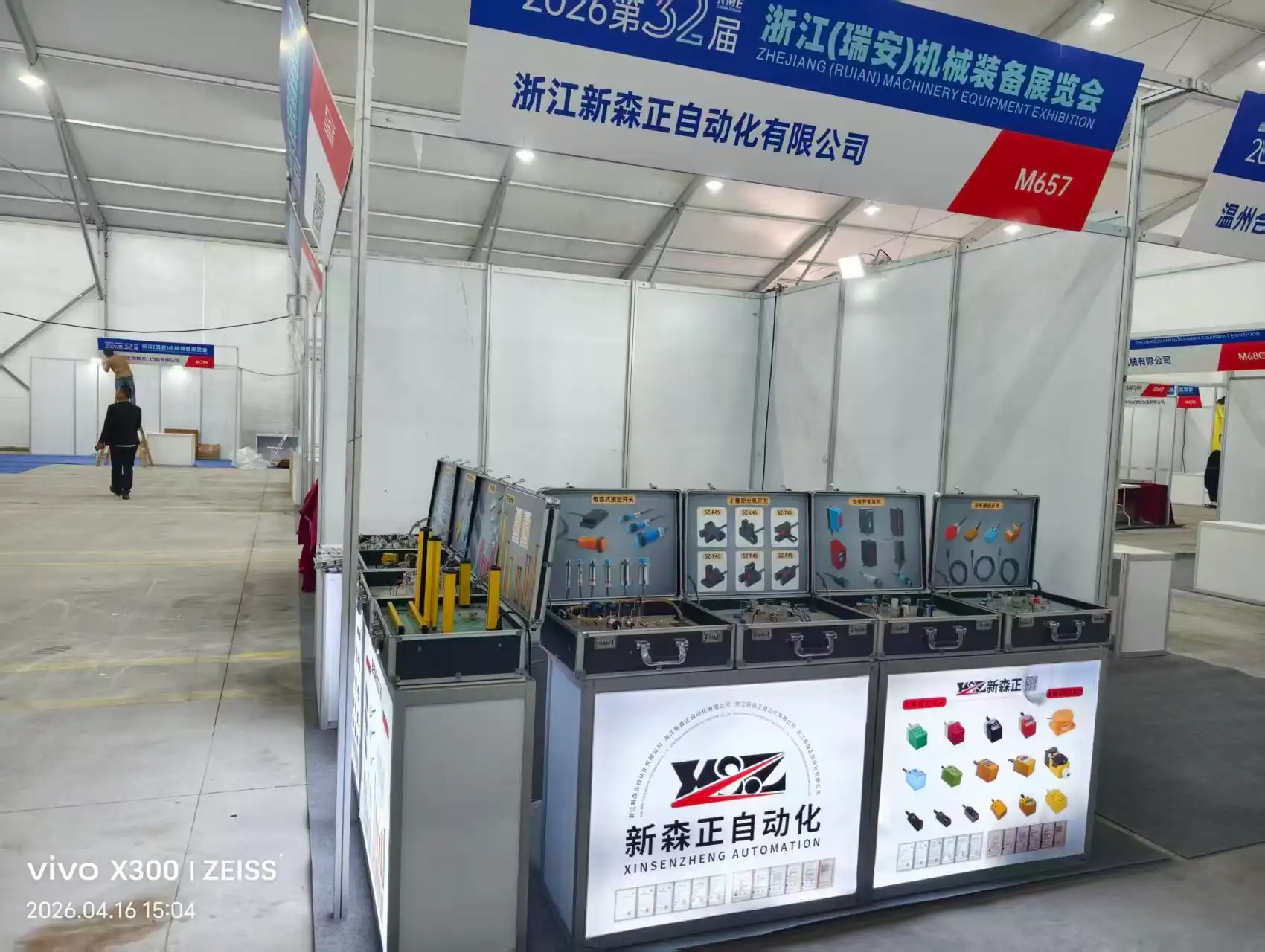
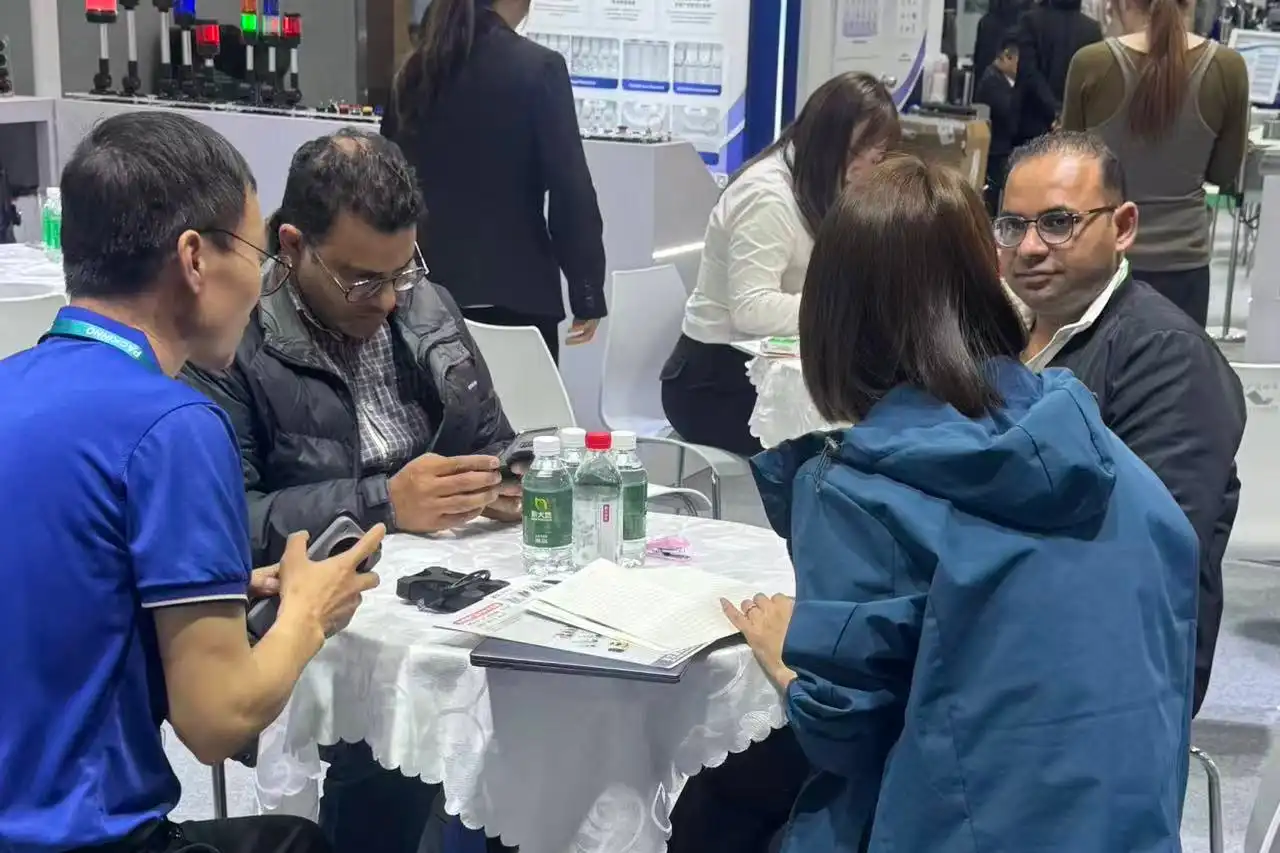

Interested in a factory tour? Schedule a Virtual Visit →
Bespoke Sensing Path
From chemical-resistant housings to specific dielectric tuning, we partner with OEMs to develop capacitive solutions for the most challenging materials.
Medium Dielectric Analysis
We analyze the εr (dielectric constant) of your target material—whether it's highly conductive liquid, dry powder, or food-grade granules—to determine the optimal sensing frequency.
Housing & Material Selection
Based on your environment, we select the housing: Nickel-plated brass for standard use, or Full PTFE (Teflon) for strong acids and bases. Cable options include oil-resistant PUR or high-flex PVC.
Calibration & Filter Tuning
Our engineers pre-calibrate the sensitivity to ensure the sensor "sees through" specific container thicknesses while maintaining high immunity to ambient moisture and electromagnetic interference (EMC).
Rapid Prototyping & QC
Engineering samples are delivered within 7-10 business days for field testing. Once validated, we scale to mass production with 100% automated inspection to ensure zero-drift performance.
Need a Non-Standard Level Sensor?
Contact our application team today for a technical assessment and a custom sensing drawing.
What Our Global Partners Say
From high-purity chemical level control to bulk grain monitoring, XSZ capacitive sensors are the industry's reliable choice for non-metallic medium detection.
"XSZ sensors' ability to see through container walls is unmatched. We use them to monitor corrosive chemicals through 5mm plastic tanks. By tuning out the wall (εr ≈ 3), we get perfectly stable liquid level signals without any sensor corrosion."
"We struggled with false triggers from dust in our plastic injection hoppers until we switched to XSZ. Their adjustable sensitivity allows us to detect the granules while ignoring the fine powder buildup on the sensor face. Truly a robust solution for our 24/7 production."
"Sourcing directly from the XSZ factory saved us 25% in costs, but the real value was their engineering support. They helped us calculate the correction factors for our organic medium, ensuring the sensors worked perfectly right out of the box."
Frequently Asked Questions
Expert answers to the most common inquiries regarding XSZ capacitive sensing technology and installation.
What materials can capacitive sensors detect?
+Capacitive sensors can detect virtually any material with a dielectric constant (εr) greater than air. This includes liquids (water, oil, chemicals), solids (plastic, glass, wood), and granulated materials (grain, plastic pellets). Materials with higher εr values, like water, are easier to detect at longer distances.
Can I detect liquid levels through a plastic or glass pipe?
+Yes. This is a primary advantage of capacitive technology. By adjusting the sensitivity potentiometer, you can tune the sensor to ignore the container wall (low εr) and trigger only when the internal medium (high εr) reaches the sensing face. Typically, wall thicknesses up to 4-6mm are ideal for standard models.
How do I calibrate the sensor for different materials?
+Most XSZ capacitive sensors feature a multi-turn potentiometer on the back. To calibrate, place the target at the desired distance and turn the potentiometer until the LED indicator switches. For "see-through" applications, calibrate while the container is empty to ensure the background is suppressed.
Does humidity or moisture affect the sensor's performance?
+Since water has a very high dielectric constant (εr = 80), high humidity or water droplets on the sensor face can cause false triggering. For damp environments, we recommend using our Compensated Series or models with a specialized PTFE sensing face to shed moisture effectively.
Should I choose NPN or PNP output?
+This depends on your control system (PLC). PNP (Source) is common in Europe and North America, switching the positive voltage. NPN (Sink) is more common in Asia, switching the negative (0V) line. Ensure the sensor's output logic matches your PLC's input requirements.
Need a custom sensing distance?
Our application engineers can help you calculate correction factors for specific bulk materials or liquids.