Fiber Optic Sensors for Small Target Detection.
XSZ fiber optic sensors combine compact fiber heads, flexible cables and amplifiers to detect small parts, narrow gaps, labels, edges and difficult targets where a normal photoelectric sensor may not fit.
- For narrow spaces, small objects, precision positioning and high-speed automation
- Choose by amplifier, fiber cable type, sensing mode, target and installation space
- OEM support for cable length, connector, label, amplifier setting and packaging
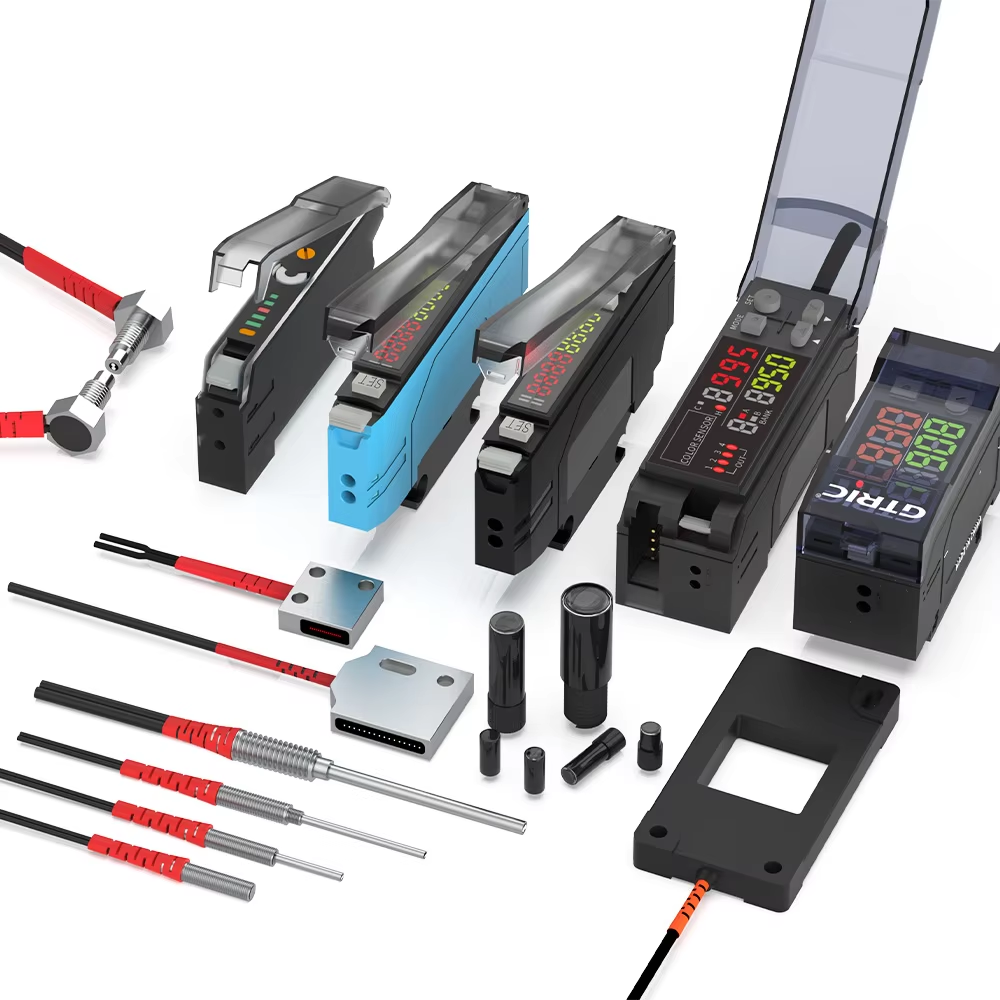
Use fiber optic sensors when standard sensor bodies are too large or too far away
Fiber optic sensing separates the small sensing head from the amplifier. This helps machines detect tiny targets in tight spaces while keeping signal adjustment and wiring in a more convenient location.
Fits narrow spaces
Small fiber heads can be mounted near compact fixtures, tight gaps, guide rails and machine mechanisms where a full sensor body cannot fit.
Detects small targets
Fiber optic sensors are useful for tiny parts, pins, caps, labels, edges, holes and position checks that need focused optical detection.
Easy signal adjustment
Amplifiers make it easier to teach sensitivity, read output status and match NPN, PNP or other machine control requirements.
Choose the fiber optic sensor system by detection task
A fiber optic sensing system is usually built from an amplifier and a suitable fiber cable or head. Start with the target, space and required response before choosing the series.
Select by fiber head, amplifier and target condition
The most common mistake is choosing only by detection distance. Fiber optic sensor performance depends on the fiber head type, target size, surface, amplifier setting and installation angle.
| Selection Point | Customer Problem | Recommended Check | Information to Provide |
|---|---|---|---|
| Fiber head type | Sensor cannot fit or cannot detect the target reliably | Choose through-beam, diffuse, reflective, flat, angled or special head | Mounting space photo and target position |
| Target size | Small part is missed at high speed | Confirm minimum target size and passing direction | Target dimensions, speed and detection point |
| Amplifier setting | Signal is unstable after installation | Check sensitivity, teach mode, response time and display need | Line speed, target contrast and output logic |
| Detection distance | Fiber head is too far from the object | Measure actual head-to-target distance after mounting | Required distance and mechanical drawing |
| Target surface | Transparent, shiny or dark targets trigger incorrectly | Review color, transparency, reflectivity and background | Target photo, material and background condition |
| Environment | Oil, dust, vibration or bending damages the fiber | Check cable route, bend radius, protection tube and cleaning condition | Environment photo, cable route and bending requirement |
Fiber optic sensors vs photoelectric and proximity sensors
All three sensor types can solve detection problems, but they are not interchangeable. The right choice depends on target material, target size, mounting space and required precision.
Small target or tight space
Use when the sensing point is too small, narrow, hot, cramped or hard to reach with a normal sensor body.
General optical detection
Use when there is enough space for a complete sensor and the object can be detected by a standard optical mode.
Metal or material sensing
Use inductive for metal targets and capacitive for some non-metal or level detection tasks.
Common causes of unstable fiber optic sensor signals
False signals usually come from the wrong fiber head, weak target contrast, excessive distance, cable damage, poor amplifier setting or environmental contamination.
Wrong head distance
If the fiber head is too far away or mounted at the wrong angle, the amplifier may receive a weak or inconsistent signal.
Fiber bending damage
Sharp bends, pulling force or moving cable paths can reduce light transmission and shorten sensor life.
Incorrect amplifier setting
Teach mode, sensitivity, response time and output logic must match target contrast and machine speed.
Build the fiber optic sensing system around your machine
Share the target photo, mounting drawing and controller input. XSZ can help match fiber head, amplifier, cable route and output configuration.
Fiber head and cable
Choose by sensing direction, mounting size, bend radius, cable length and environmental protection.
Amplifier and output
Confirm display, teach mode, response time, NPN/PNP output, NO/NC logic and machine input voltage.
Target and process
Review color, transparency, reflectivity, line speed, background and detection tolerance before final selection.
What to confirm before buying fiber optic sensors
Fiber optic sensors are flexible, but the final result depends heavily on application details. These checks help avoid wrong amplifier, cable or sensing head selection.
- Target size, color, material, transparency and surface reflectivity
- Available mounting space, sensing direction and head-to-target distance
- Through-beam, diffuse, reflective, matrix or blanking detection need
- Amplifier response time, display, teach setting and output logic
- Cable bend radius, moving parts, oil, dust, heat and cleaning condition
| Need | Better Choice | Risk if Ignored |
|---|---|---|
| Very small target | Fine fiber head with suitable amplifier response | Missed parts or delayed signal |
| Narrow fixture | Small head and protected cable route | Mechanical interference or cable damage |
| Reflective target | Test target surface and background before selection | False trigger or poor repeatability |
| OEM machine build | Confirmed cable, label, connector and amplifier setting | Assembly rework and inconsistent repeat orders |
Fiber optic sensors solve precision detection problems across automation lines
Use them when the sensing point is too small for standard sensors or when the amplifier should be separated from the detection head.
Packaging
Label, cap, edge, mark, film and product presence detection.
Assembly
Small part, pin, hole, fixture and component position checks.
Electronics
Compact space detection for connectors, boards and precision parts.
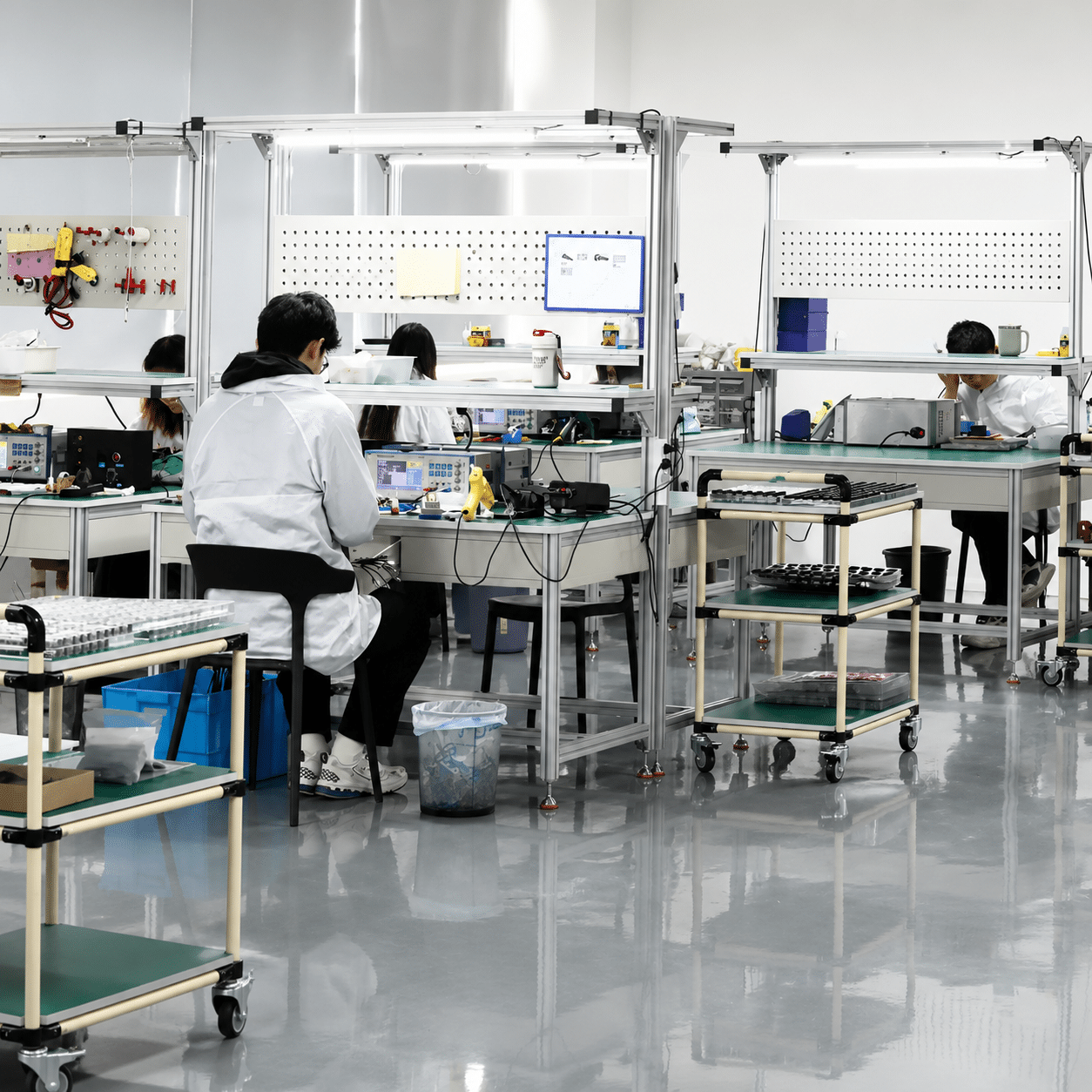
Manufacturer support for fiber optic sensor projects
For automation equipment builders and distributors, XSZ supports fiber optic sensor selection, amplifier and cable matching, OEM presentation and repeat order supply.
Compare nearby sensor options
If your target is larger, metallic, transparent or safety-related, these product pages may help you choose a better sensor type.